Trump declassifies 170 UFO files including 1947 disc reports
Trump declassified UFO files, including Apollo photos. This move sparked praise for transparency and criticism as a political distraction.
Lauren Collins ·
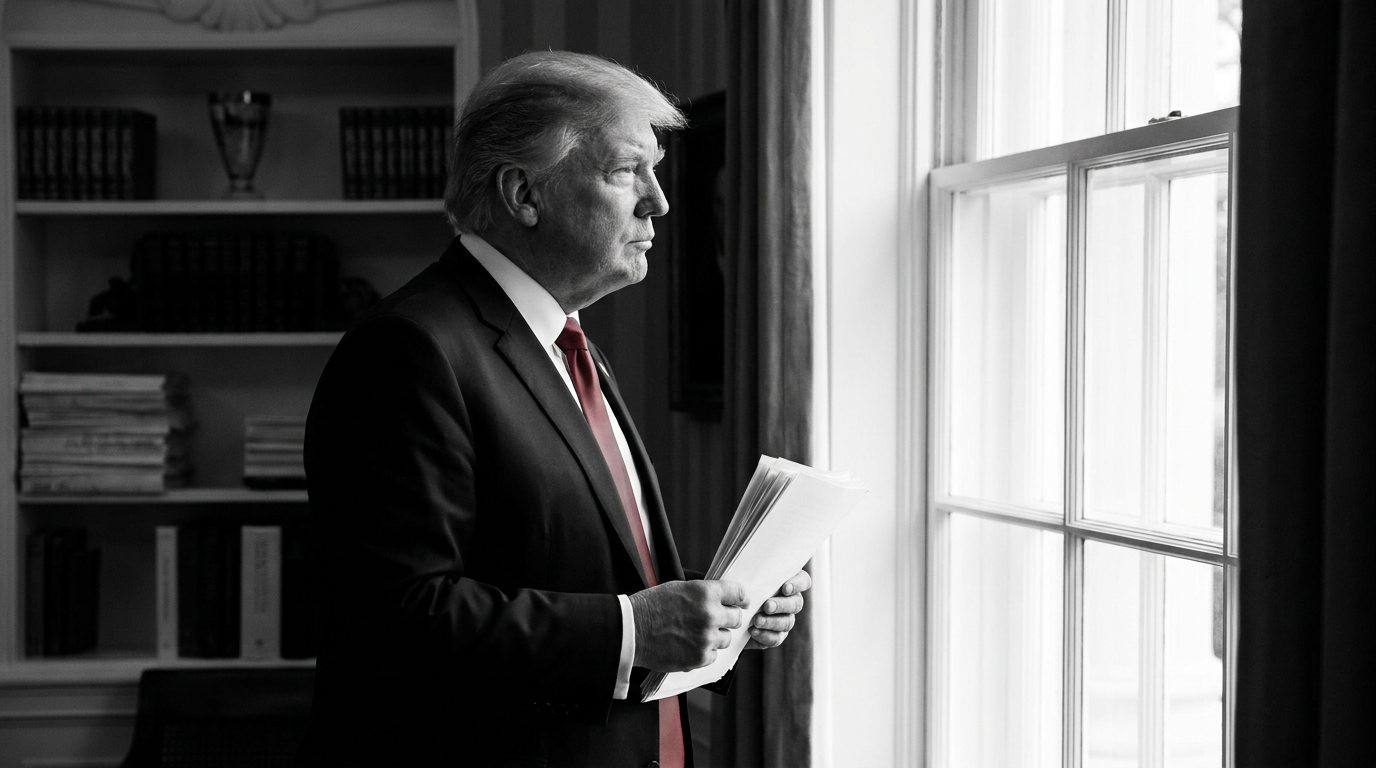
The Trump administration has declassified numerous documents pertaining to alleged UFO sightings and extraterrestrial life, an initiative described as providing "unprecedented transparency." President Donald Trump and Defense Secretary Pete Hegseth jointly announced the release on May 8, 2026, which includes various files and photographs of "unidentified anomalous phenomena" (UAP) gathered by the U.S. Defense Department.
Approximately 170 files have been made public so far. Among these documents is a 1947 report detailing "flying discs," a photograph from the 1969 Apollo 12 lunar mission depicting "unidentified phenomena," and a transcript from the 1972 Apollo 17 mission that describes unidentified objects. Further declassified materials are expected to be released, with some anticipated within the next 30 days.
Congressional Reactions to Declassification
The disclosure has received positive feedback from proponents of UFO declassification, including U.S. Representatives Tim Burchett and Anna Paulina Luna. Conversely, some critics, such as former Republican U.S. Representative Marjorie Taylor Greene, have suggested that the release serves as a diversion from President Trump's political challenges. These challenges include the ongoing U.S. military campaign against Iran and pressures related to files concerning Jeffrey Epstein.
Anticipated Global Impact and Research Focus
This declassification by the Trump administration is expected to rekindle global public and scientific interest in unexplained aerial phenomena. Such renewed interest could potentially lead to increased governmental funding for UAP research and foster international cooperation in data collection efforts. The move might also stimulate geopolitical speculation, as nations could view UAP capabilities as a new frontier for technological advancement or even a shared existential threat, potentially leading to both greater transparency and covert intelligence gathering.
However, the timing of this release, amidst significant domestic and international pressures on the administration, raises questions regarding the true motivations behind it. Critics suggest it could be a strategic distraction from more pressing political and security concerns. While offering an opportunity for greater public understanding and potentially significant scientific discoveries, there is a risk that this "transparency" could be selectively managed, potentially complicating an already complex narrative and eroding public trust if subsequent releases do not provide substantial new information. The long-term impact will largely depend on the nature of future disclosures and whether they genuinely advance understanding or primarily serve short-term political objectives.