Trump Rejects Hormuz Plan, Citing 'Wall of Steel' Blockade
Trump’s rejection of an Iranian proposal to reopen the Strait of Hormuz keeps oil market risks high, signaling a hardline geopolitical stance.
Jurgen Goldmeier ·
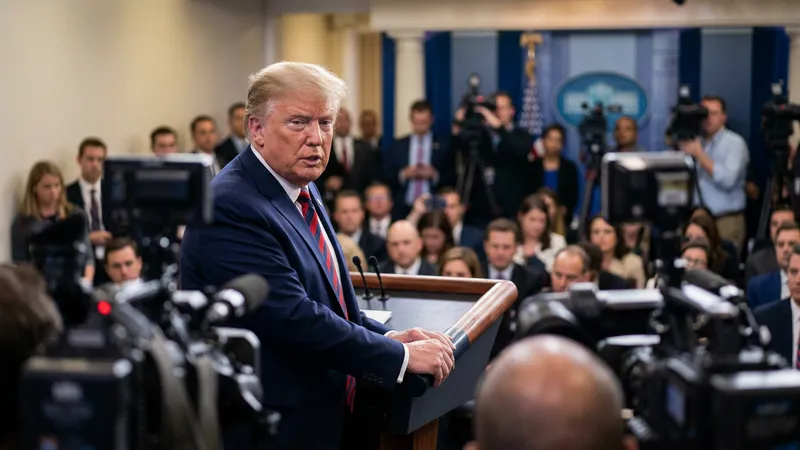
Trump Rejects Hormuz Plan, Citing 'Wall of Steel' Blockade President Donald Trump has rejected a "concrete seven-day plan" from Iran to reopen the Strait of Hormuz, according to his statements at the White House. The dismissal prolongs a nearly seven-month stalemate over the waterway, which is critical to the world's oil supply. Trump characterized the US position as the "greatest blockade in military history," indicating that economic pressure on Tehran will not be relaxed and that US policy is predicated on Iran capitulating. ## Background The market has been pricing a sustained geopolitical risk premium into crude oil, with the Strait of Hormuz as the primary focal point. Any headline suggesting escalation or de-escalation has produced volatility in oil contracts. After mediation efforts at the UN this week, some participants may have anticipated a potential diplomatic off-ramp. Friday's outright rejection from the White House unwinds those hopes and re-centers the risk of supply disruption. The impasse persists despite a meeting on Tuesday between Iran’s Foreign Minister Abbas Araghchi and Trump’s envoy Steve Witkoff. For traders, this means the risk of a sudden supply shock remains a core thesis. Iran's proposal, conveyed through Qatar, stipulated that "if the necessary conditions are met, the strait can be reopened, and normal maritime passage restored within seven days." Trump dismissed the offer as a sign of Iranian weakness, not a credible diplomatic opening. "They want to make a deal where they open the Strait immediately because they’re losing so badly," he told reporters, adding that Iran is "dying — the money isn’t coming in." This view, that sanctions are crippling Iran's economy and giving the US maximum leverage, was echoed in a Wall Street Journal report. The paper, citing US officials, noted Trump's skepticism that Tehran would meet his demands and added he sees a "renewed bombing campaign as likely." ## Why it matters The direct read-through is to the energy complex and its influence on macro policy. A continued standoff, punctuated by threats of a "wall of steel" blockade, entrenches the floor for crude prices and raises the odds of a sharp spike on any military miscalculation in the Gulf. This dynamic directly impacts inflation calculations and, by extension, the Federal Reserve's policy path. Persistent or volatile energy prices can complicate the central bank's efforts to guide inflation back to its target. A Fed forced to contend with supply-side energy shocks may have to maintain a more restrictive monetary stance for longer than markets currently anticipate, weighing on fixed income and equity multiples, which is the valuation investors are willing to pay for a dollar of company earnings (EPS). The primary group on the wrong side of this development are those positioned for a diplomatic breakthrough and a corresponding drop in oil's risk premium. This includes bond traders betting on a swift inflation decline and equity investors in energy-intensive sectors like transportation, chemicals, and heavy manufacturing. The rejection confirms that the geopolitical factor in oil pricing is not abating, which supports portfolios long energy producers and the currencies of oil-exporting nations. Trump’s public framing of Iran’s economic pain—"They got themselves into a bind"—signals to the market that the administration sees no incentive to compromise. ## What to watch The key forward observable is any material change in military posture or shipping activity within the Persian Gulf. Any attempt by Iran to interfere with maritime traffic or, conversely, any further tightening of the US sanctions "blockade" would constitute an escalation. The market's immediate reaction will be visible in the front-month contract for Brent crude oil, which serves as the global benchmark. A sustained move in crude would then filter into the next prints for consumer and producer price indexes, shaping the inflation narrative and guidance for the Federal Reserve's upcoming meetings. The focus now shifts from diplomatic channels back to military and economic tripwires.