Trump Urges Japan Warship Deployment to Hormuz Strait
Donald Trump urged Japan to deploy warships to the Strait of Hormuz, pressuring PM Takaichi amid constitutional limits on military action.
Lauren Collins ·
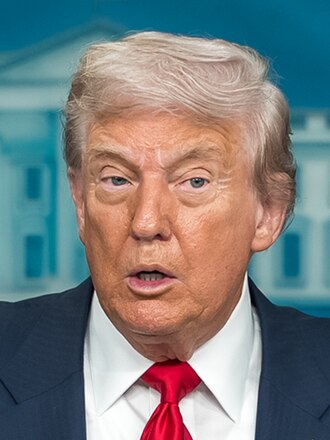
Former U.S. President Donald Trump has publicly urged Japan to deploy naval assets to the Strait of Hormuz. This call, made via social media on Saturday, places diplomatic pressure on Japanese Prime Minister Sanae Takaichi ahead of her scheduled visit to the White House this week.
Trump's statement emphasized the need for multiple nations to contribute to maintaining open passage through the critical waterway. The request highlights a long-standing tension between Japan's pacifist constitutional principles and international security demands, particularly concerning vital shipping lanes.
Japan's Constitutional Constraints
Japan's constitution significantly restricts its military's involvement in active conflicts. While the nation possesses advanced naval capabilities, including minesweepers, their deployment to a potentially volatile region like the Strait of Hormuz presents complex legal and political challenges.
Prime Minister Takaichi acknowledged these difficulties, noting the ambiguity in distinguishing between active conflict scenarios and the presence of abandoned ordnance. This distinction is crucial for determining the legality of military operations under current Japanese law, which generally prohibits pre-emptive military deployments into active war zones.
Historical Precedent and Legal Framework
Japan has a history of deploying minesweepers in the Persian Gulf, notably in 1991 following the Gulf War. This marked Japan's first overseas military deployment since the end of World War II, demonstrating a precedent for naval operations in the region, though not directly within the Strait of Hormuz during active hostilities.
Subsequent Japanese naval deployments have focused on protecting national shipping interests in the broader Middle East but have generally avoided the Strait of Hormuz itself. Revisions to Japanese security laws in 2015 aimed to provide greater flexibility for the Self-Defense Forces, yet the interpretation regarding engagement in areas of potential conflict remains a point of contention.
Geopolitical and Economic Implications
The Strait of Hormuz is a critical chokepoint for global oil shipments, with a substantial portion of Japan's energy imports transiting through it. This economic reliance underscores the strategic importance of the region for Tokyo and complicates its foreign policy decisions regarding maritime security.
Trump's public appeal adds a layer of diplomatic complexity for Prime Minister Takaichi, who must balance alliance commitments with domestic legal and political sensitivities. The discussion during her White House visit is expected to touch upon these security cooperation issues, reflecting broader U.S. expectations for burden-sharing among allies.
Outlook on Future Deployments
The immediate prospect of Japanese warships entering the Strait of Hormuz for active security operations appears limited due to the constitutional and legal hurdles. Any such deployment would likely require significant political consensus and a reinterpretation or further revision of existing defense guidelines.
Japan's approach will likely continue to prioritize diplomatic solutions and contributions to maritime security that align with its constitutional framework, potentially focusing on non-combat roles or post-conflict stabilization efforts, as seen in past deployments.
Implications
Country Impact: Japan faces a diplomatic challenge balancing alliance demands with its pacifist constitution. The request could reignite domestic debate over the role of its Self-Defense Forces and interpretations of its security laws.
Industry Impact: The energy sector, particularly oil and gas, relies heavily on the Strait of Hormuz for transit. Any increased military presence or perceived instability could impact shipping insurance costs and global energy prices.
Market Impact: Global markets may react to geopolitical tensions in the Middle East, potentially leading to volatility in oil futures and shipping stocks. The yen's value could also be influenced by discussions around Japan's defense posture.