Formula 1 Cancels Bahrain, Saudi Arabia Races
Formula 1 canceled its 2026 Bahrain and Saudi Arabian Grands Prix on March 14, 2026, due to escalating Middle East conflict.
Lauren Collins ·
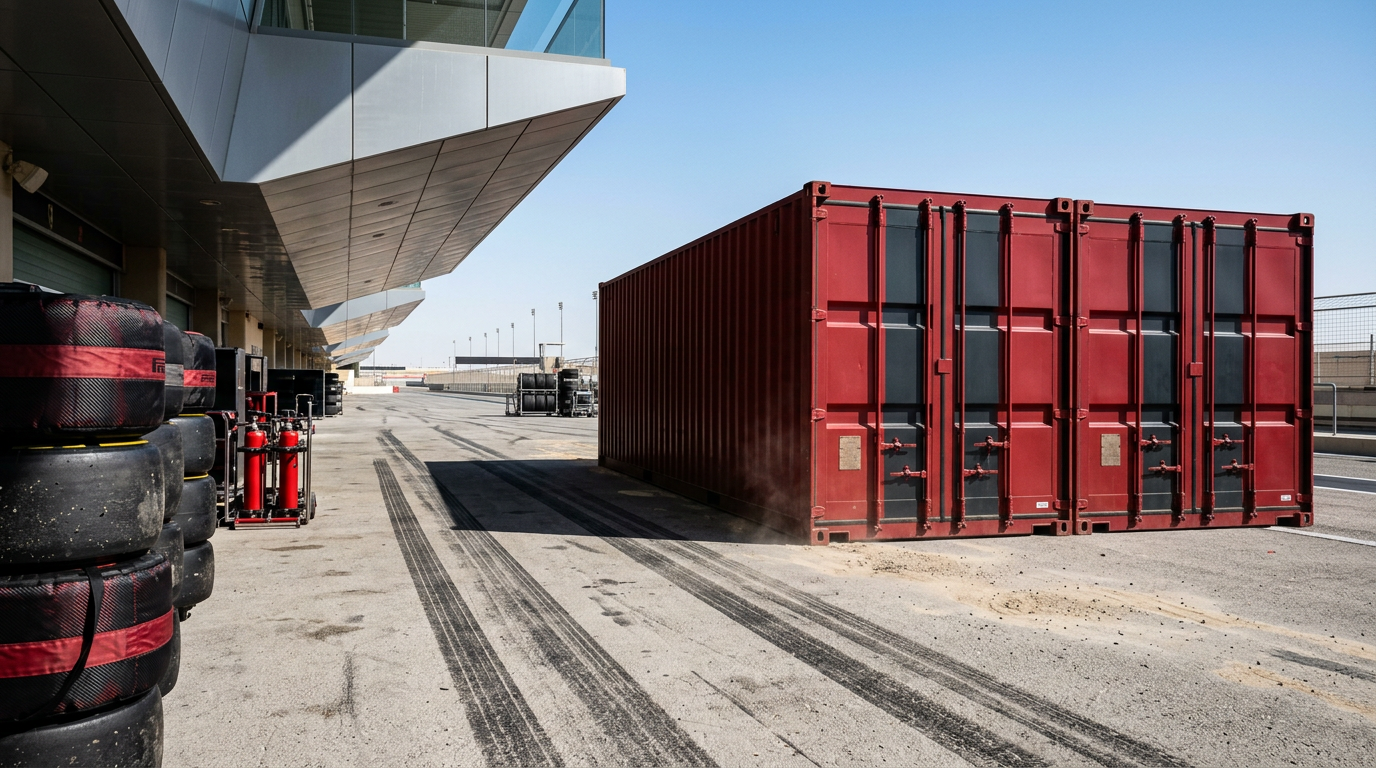
Formula 1 has announced the cancellation of its 2026 Bahrain and Saudi Arabian Grand Prix events. The decision, made public on Sunday, March 14, 2026, during the Chinese Grand Prix weekend in Shanghai, stems from the escalating conflict in the Middle East. This action removes two key races from the calendar, creating a significant gap in the sport's schedule.
The cancellations affect not only the main Formula 1 races, originally slated for April 12 (Bahrain) and April 19 (Saudi Arabia), but also supporting series. These include planned Formula 2, Formula 3, and F1 Academy rounds that were scheduled to take place in the region. The Federation Internationale de l'Automobile (FIA) confirmed that despite exploring various options, no replacement races would be added to the April schedule.
Regional Instability Prompts Decision
The primary driver for this decision is the ongoing conflict in the Middle East, which commenced on February 28. This period has been marked by military strikes and subsequent airspace closures across the region. Reports indicate significant casualties, including the supreme leader of Iran, highlighting the severity of the geopolitical situation.
Formula 1 Group, in conjunction with local promoters and member clubs, made the determination after weeks of internal discussions and speculation regarding the viability of the events. The safety and logistical challenges posed by the conflict were central to the final decision. The inability to retrieve freight from the Bahrain International Circuit, for instance, presented a substantial operational hurdle.
Calendar Impact and Financial Implications
This double cancellation introduces a 35-day hiatus in the Formula 1 calendar. The gap will now stretch between the Japanese Grand Prix on March 29 and the Miami Grand Prix, scheduled for May 3. This extended break is unusual for the sport, which typically maintains a more continuous schedule during its season.
The absence of these races is expected to have financial repercussions for Formula 1. Without substitute events, the sport will forgo significant revenue streams associated with hosting fees, broadcasting rights, and sponsorship opportunities tied to the cancelled Grands Prix. The Middle East has become an increasingly important region for Formula 1, hosting multiple races and attracting substantial investment, making these cancellations particularly impactful.
Broader Geopolitical Context
The decision underscores the broader impact of geopolitical instability on international sporting events and global commerce. Major sporting organizations are increasingly forced to navigate complex political landscapes, balancing commercial interests with safety concerns and ethical considerations. The Middle East has been a growing market for Formula 1, with significant investment from regional governments and state-backed entities.
The long-term implications for the sport's presence in the region will depend on the resolution of the ongoing conflict and the stability of the geopolitical environment.
This situation highlights the vulnerability of global event planning to sudden shifts in international relations and security. The FIA and Formula 1 will likely continue to monitor the regional situation closely as they plan future seasons, potentially reassessing the risk profiles of various host nations.
Implications
Country Impact: The cancellations impact Bahrain and Saudi Arabia by removing high-profile international events, potentially affecting tourism and their global image. It also highlights the regional instability that could deter future large-scale international events.
Industry Impact: The motorsport industry faces financial losses from unhosted races, affecting revenue for Formula 1, teams, and associated businesses. It also creates logistical challenges for freight and personnel movement within the racing ecosystem.
Market Impact: While direct market impact is limited, the decision signals increased geopolitical risk in the Middle East, potentially influencing investment decisions in the region. It could also lead to minor shifts in sponsorship and advertising spending within the global sports market.