Trump Proposes New Tariffs on 60 Trade Partners
The Trump administration has proposed new tariffs across 60 trading partners, linked to alleged forced labor practices in a major trade policy shift.
Jason Kwon ·
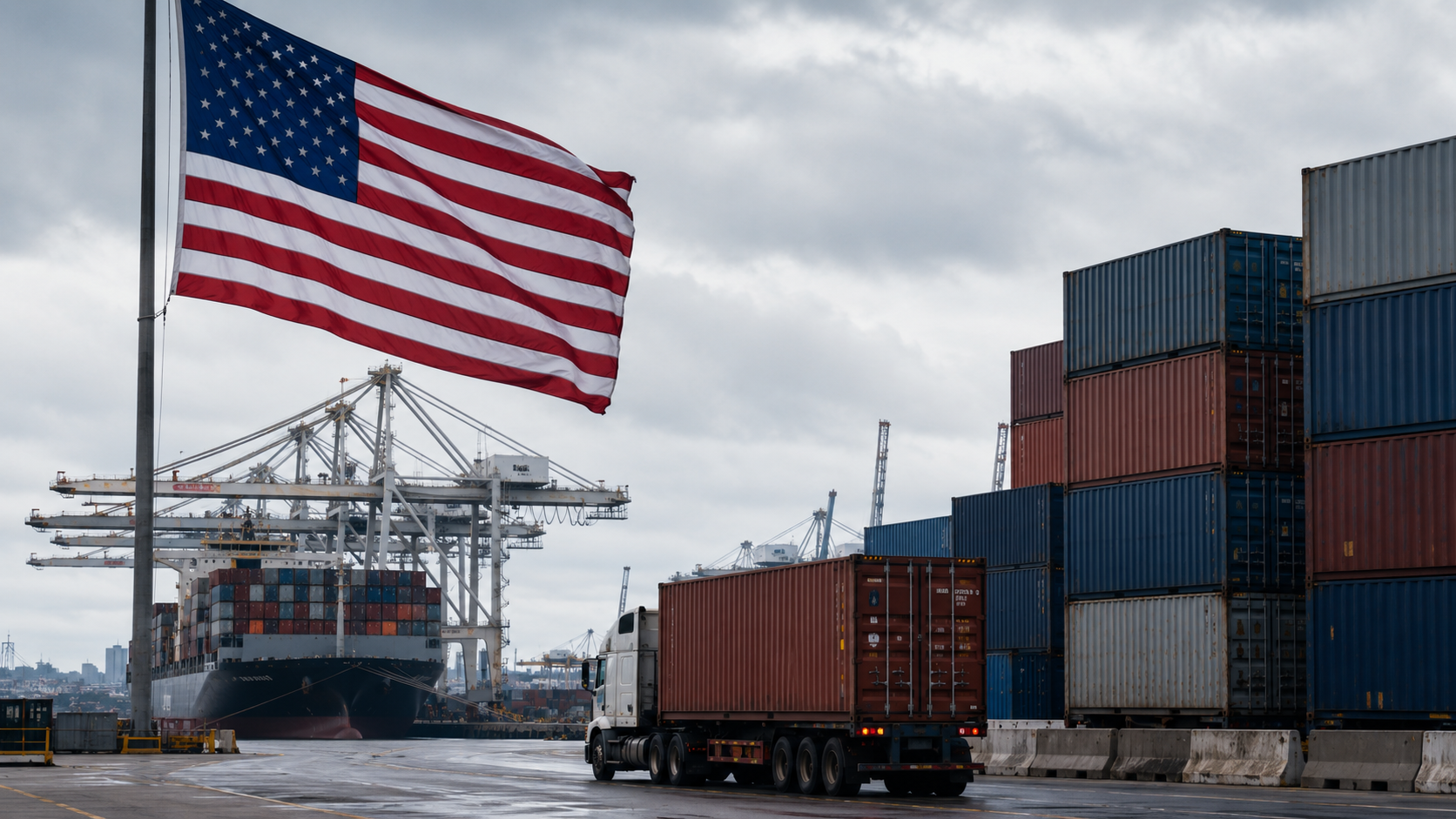
The Trump administration has unveiled plans for new tariffs impacting imports from 60 countries, signaling a substantial shift in global trade policy. These proposed duties, ranging at least 10%, represent President Trump's most significant move to reinstate protectionist measures since earlier tariffs faced legal challenges.
These actions stem from an investigation into how various trade partners address goods potentially produced using forced labor. The Office of the US Trade Representative (USTR) outlined differentiated tariff rates based on nations' commitments to combating such practices.
Differentiated Tariff Rates Revealed
A 10% tariff rate is slated for imports originating from key allies and economic blocs, including Canada, Mexico, the European Union, Taiwan, and the United Kingdom. This lower rate applies to economies that have either established prohibitions on forced labor imports or have formally committed to implementing such measures.
Conversely, major global economies such as China, India, Japan, South Korea, Brazil, and Switzerland face a higher 12.5% levy. The USTR indicated that these countries received the elevated rate due to their perceived failure to effectively impose and enforce restrictions against forced labor imports.
Reinstating Protectionist Measures
This initiative marks a critical step in President Trump's broader agenda to re-establish the tariffs initially introduced during his first term. Many of those earlier duties were ultimately ruled unconstitutional.
The current . This particular legal authority provides a pathway for the U.S. to take action against unfair trade practices.
Economic Implications and Next Steps
The proposed tariffs are expected to introduce new complexities into global supply chains and could lead to increased costs for consumers and businesses. Industries heavily reliant on imports from the affected nations may experience immediate financial impacts as these duties are implemented.
Market participants will be closely monitoring how these trade partners respond to the proposed tariffs. The eventual scope and implementation of these duties will significantly shape international trade relations and economic stability in the coming months.