Trump Pressures Cuba As Fuel Crisis Deepens
Trump escalates pressure on Cuba with new economic threats amid worsening fuel shortages, blackouts, and economic collapse.
Lauren Collins ·
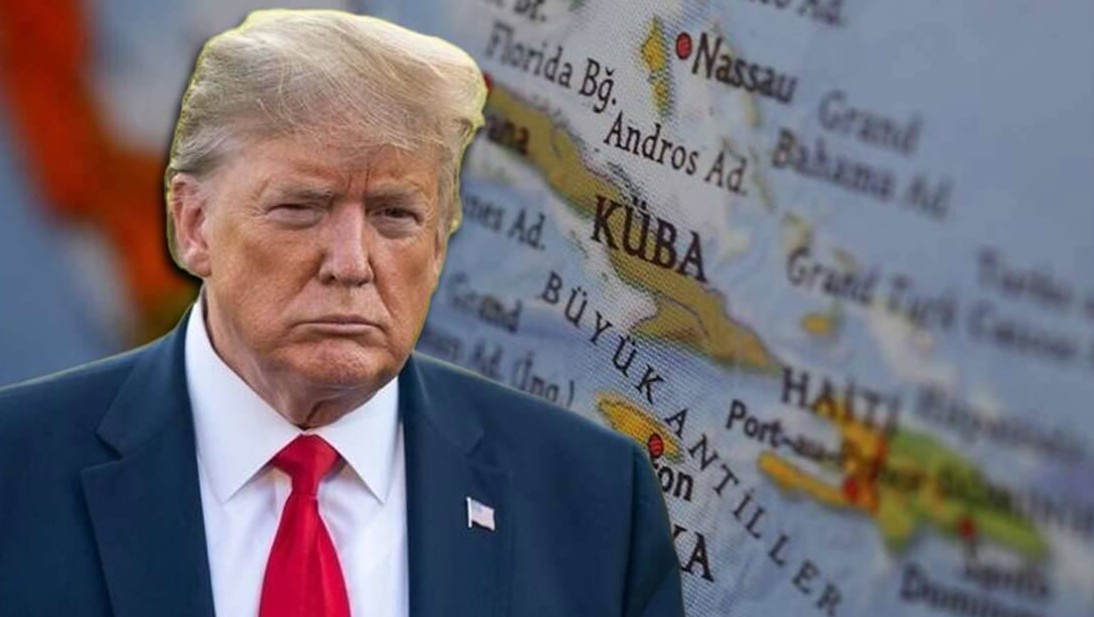
The Trump administration has intensified efforts to force Cuba to open its economy and loosen state controls as the island struggles through one of its worst economic crises in decades, according to a report published Saturday by the Financial Times .
The White House is combining tougher sanctions with selective economic incentives in an effort to push Havana toward broader market reforms while increasing pressure on the Cuban government led by President Miguel Díaz-Canel.
Cuba is facing severe shortages of fuel, food and electricity following years of economic decline worsened by U.S. sanctions, reduced oil shipments from Venezuela and falling tourism revenues. Rolling blackouts have become common across large parts of the island, fueling public frustration and increasing pressure on the government.
Fuel shortages drive economic emergency
The fuel crisis has become one of the most urgent challenges confronting Cuban authorities.
Gasoline shortages and electricity outages have disrupted transportation, industry and daily life across the country, forcing the government to reduce energy consumption and suspend some public services.
Analysts say Cuba’s economic problems have deepened as foreign currency reserves decline and imports become harder to finance. The island has increasingly struggled to secure stable oil supplies after Venezuela reduced shipments and global energy prices rose because of instability in the Middle East.
The economic downturn has accelerated migration from Cuba, with large numbers of Cubans continuing to leave for the United States and other countries in search of work and stability.
Trump seeks broader economic opening
According to the Financial Times , Trump is attempting to use the crisis to pressure Havana into opening more sectors of the economy to private business and foreign investment.
The administration has signaled that some restrictions could be eased if Cuba adopts market-oriented reforms and reduces state control over key industries. At the same time, Washington has maintained strong sanctions pressure on the Cuban government and its financial networks.
Trump has repeatedly criticized Cuba’s communist leadership and accused Havana of supporting authoritarian governments in Latin America.
Political tensions remain high
The renewed pressure marks another sharp turn in U.S.-Cuba relations after limited engagement efforts during previous administrations.
Cuban officials have accused Washington of attempting to destabilize the island through economic warfare and blamed U.S. sanctions for worsening shortages and humanitarian difficulties.
Despite growing economic hardship, the Cuban government has so far resisted major political reforms, arguing that foreign pressure threatens national sovereignty.
Analysts say the combination of economic collapse, migration pressures and rising public frustration has created one of the most politically sensitive periods for Cuba since the fall of the Soviet Union.