Oil Prices Hit $100 Amid Iran Conflict Escalation
Crude oil prices hit $100 per barrel on March 12, 2026, following Iran's commitment to military actions, raising global supply concerns.
Atlas Newsdesk ·
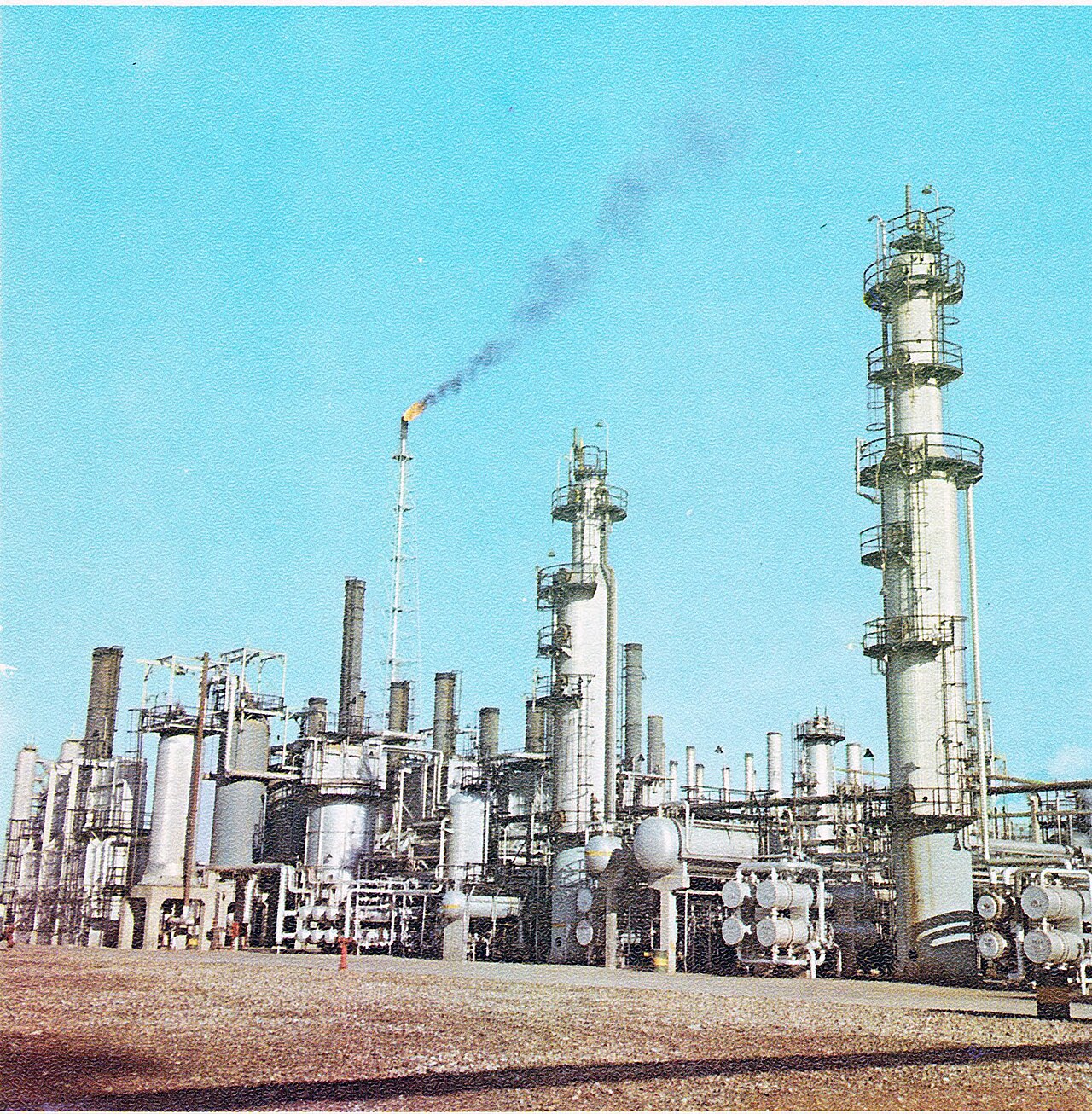
Global crude oil benchmarks reached $100 per barrel on March 12, 2026, driven by heightened geopolitical tensions involving Iran. The surge reflects market anxieties over potential disruptions to oil supplies from the Middle East, a region central to global energy production. This price increase follows public statements from Iran's supreme leader, who affirmed the nation's commitment to ongoing military operations.
The supreme leader's declaration, his first since assuming office, signals a prolonged period of regional instability. This commitment to sustained actions is a primary factor contributing to the upward pressure on oil prices. Energy markets are reacting to the perceived risk of supply interruptions in a critical oil-producing area.
Geopolitical Drivers and Market Response
The escalation of conflict involving Iran is the principal catalyst for the recent oil price movements. Traders and analysts are factoring in the increased likelihood of supply chain vulnerabilities. The Middle East's role as a major crude exporter means any prolonged instability there has immediate and significant global economic repercussions.
Simultaneously, the United States is conducting an investigation into a fatal strike on an Iranian elementary school. Reports indicate that this incident may have resulted from outdated intelligence, further complicating the already fragile regional dynamics. Such events contribute to a climate of uncertainty regarding future oil supply and pricing stability.
Economic Implications for Global Markets
The sustained high oil prices are poised to create a challenging economic environment worldwide. Oil-importing nations, in particular, face increased inflationary pressures and potential strains on their trade balances. Higher energy costs can dampen economic growth by increasing production expenses for businesses and reducing consumer purchasing power.
Central banks globally may face renewed pressure to address inflation, potentially influencing monetary policy decisions. The current geopolitical landscape suggests that volatility in energy markets could persist, requiring close monitoring by policymakers and market participants. The interplay between political developments and commodity prices underscores the interconnectedness of global markets.
Outlook for Energy Security
The current situation highlights ongoing concerns about global energy security. Diversification of energy sources and supply routes remains a strategic priority for many countries. The market's reaction to the Iranian conflict demonstrates how quickly geopolitical events can translate into tangible economic impacts, particularly in the energy sector. Further developments in the region will be closely watched for their potential to either stabilize or further disrupt global oil flows.
Implications
Country Impact: Oil-importing nations face increased inflationary pressures and potential economic slowdowns due to higher energy costs. Their trade balances could also be negatively impacted.
Industry Impact: The energy sector, particularly oil and gas, will experience continued volatility and potential supply chain disruptions. Industries reliant on oil, such as transportation and manufacturing, will face higher operational costs.
Market Impact: Global financial markets are likely to exhibit increased uncertainty, with potential impacts on equity valuations, bond yields, and currency exchange rates as investors react to geopolitical risks and inflation concerns.