Global Oil Supply Faces Historic Disruption
Global oil supply faces historic disruption as Middle East conflict and Strait of Hormuz blockade lead to IEA's largest emergency reserve release.
Atlas Newsdesk ·
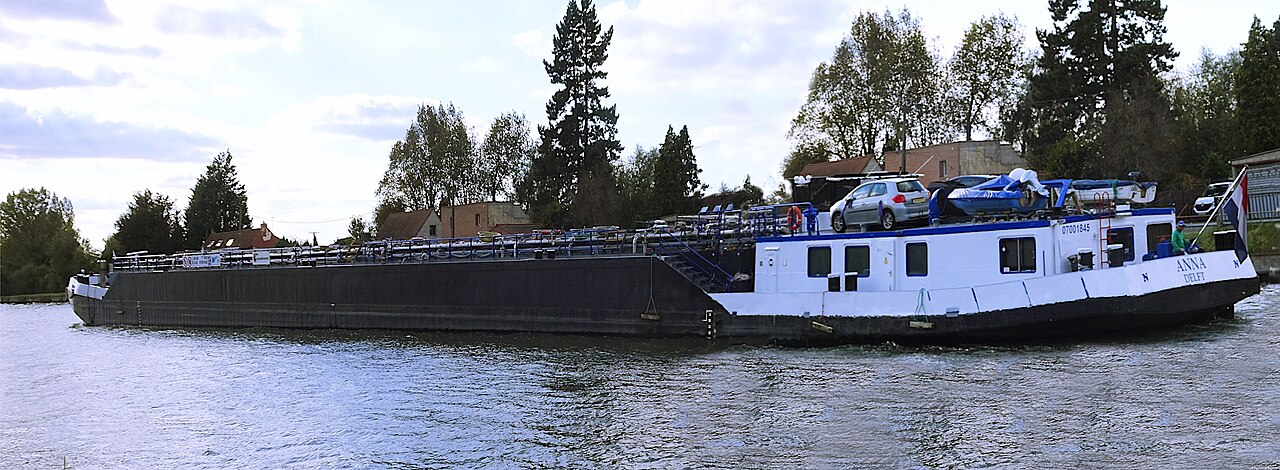
Global oil markets are experiencing an unprecedented supply disruption, primarily due to escalating geopolitical tensions in the Middle East. The International Energy Agency (IEA) confirmed on Thursday, March 12, 2026, that the ongoing conflict, particularly Iran's actions, has led to the most significant interruption in oil supply ever recorded. This situation has prompted a substantial coordinated release of strategic petroleum reserves by IEA member nations.
The IEA's assessment highlights that the current crisis surpasses the impact of previous major oil shocks, including the 1973 Yom Kippur War and the 2022 conflict in Ukraine. The primary catalyst for this disruption is Iran's effective blockade of the Strait of Hormuz, a critical maritime chokepoint through which a substantial portion of the world's crude oil transits daily.
Emergency Reserve Release
In response to the severe supply constraints, the 32 member countries of the IEA unanimously agreed on Wednesday to release 400 million barrels from their emergency crude reserves. This represents the largest coordinated release in the agency's history, underscoring the gravity of the global energy situation. Concurrently, the United States announced its commitment to release an additional 172 million barrels from its Strategic Petroleum Reserve.
Despite these significant efforts to stabilize the market, global oil prices surged. Brent crude initially rose above $100 per barrel on Thursday, briefly settling around $97, before climbing again past the $100 mark. This renewed price increase followed statements from Iran's new supreme leader, Mojtaba Khamenei, who indicated that the Strait of Hormuz would remain closed.
Production and Demand Outlook
The IEA projects a substantial reduction in oil and gas production from the Middle East, estimating a decrease of at least 10 million barrels per day. This regional decline is anticipated to result in an 8 million barrels per day slump in global oil output for the current year, even with potential increases in production from other regions.
The agency also revised its global oil demand forecasts for 2026 downwards by 1 million barrels per day, attributing this adjustment to reduced refining activities and air travel within the Middle East.
Economic Implications
The sustained high energy costs are expected to exert considerable pressure on the global economy. Elevated oil prices typically translate into higher transportation and production costs across various sectors, potentially dampening economic growth worldwide. The long-term implications of such a significant and prolonged energy disruption could include inflationary pressures and a slowdown in industrial activity globally.
This situation underscores the critical role of geopolitical stability in maintaining global energy security and economic equilibrium. The international community continues to monitor developments closely, with further actions potentially required to mitigate the economic fallout from this historic oil supply shock.
Implications
Country Impact: Countries heavily reliant on oil imports, particularly in Europe and Asia, face increased energy costs and potential inflationary pressures. This could strain national budgets and consumer spending, leading to slower economic growth.
Industry Impact: The transportation, manufacturing, and petrochemical industries will experience higher operational costs due to elevated oil prices. Airlines and shipping companies, in particular, will see reduced profitability and potential service disruptions.
Market Impact: Global oil prices are expected to remain volatile and elevated, impacting equity markets negatively as energy costs weigh on corporate earnings. Bond markets may see increased yields as central banks potentially face renewed inflationary pressures, while commodity markets will react to supply-demand imbalances.