Trump Questions Iran Leader's Status Amid Reports
U.S. President Donald Trump questioned Iran's new leader, Ayatollah Mojtaba Khamenei's status amid unconfirmed injury reports, impacting diplomacy.
Lauren Collins ·
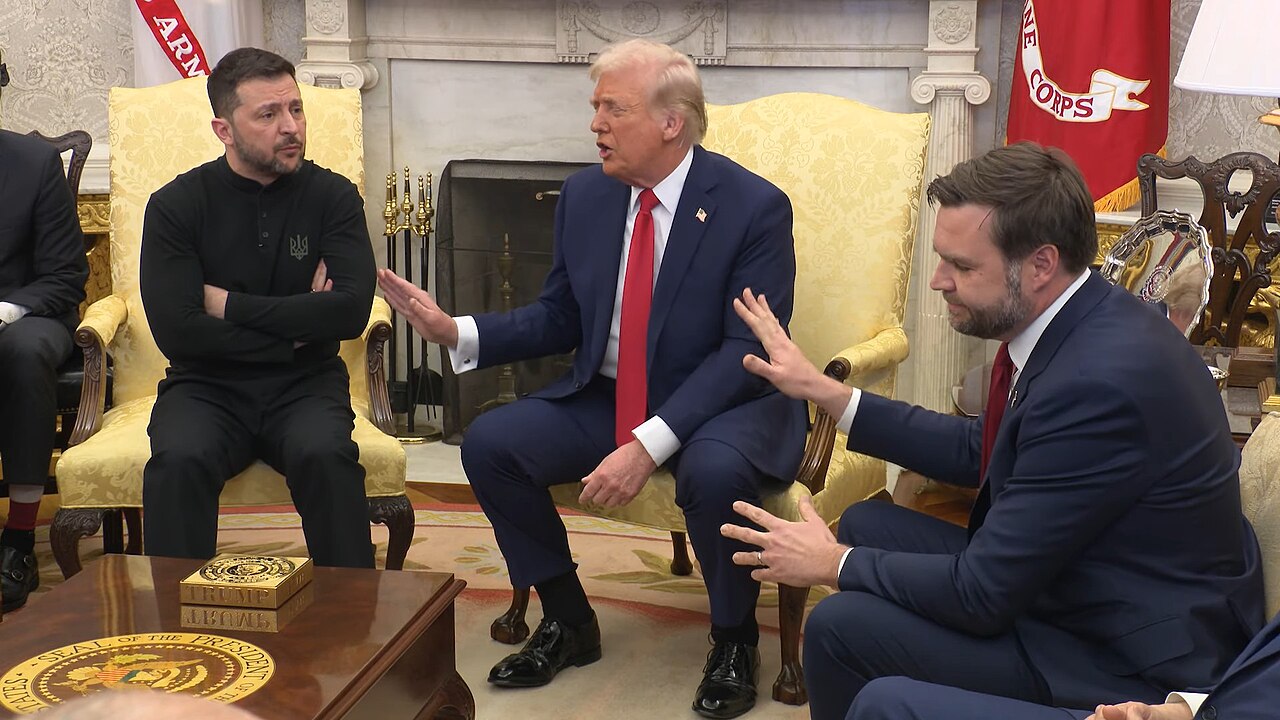
U.S. President Donald Trump on Monday, March 16, raised questions regarding the status of Iran's new leader, Ayatollah Mojtaba Khamenei. Speaking from the White House, President Trump highlighted a lack of public appearances by Khamenei, fueling speculation about his condition following unconfirmed reports of injuries sustained in an airstrike.
Ayatollah Mojtaba Khamenei reportedly assumed leadership after the death of his father, Ali Khamenei, during initial conflict engagements. Last week, Pentagon chief Pete Hegseth had indicated that the new Iranian leader was believed to have been wounded. President Trump referenced various unverified accounts circulating, which included claims of severe injuries such as disfigurement or leg loss, and even reports of his death.
U.S. Stance on Diplomacy
Amidst this uncertainty, the White House has reportedly rejected overtures from Oman aimed at establishing communication channels with Iran. President Trump underscored the ambiguity surrounding Iran's leadership, stating, "We don't know who their leader is. We have people wanting to negotiate. We have no idea who they are."
This position signals a current reluctance from the United States to engage in diplomatic discussions with Iran. The U.S. administration's stance suggests that the perceived instability or lack of clarity in Iranian leadership is a significant impediment to potential negotiations.
Regional Context and Implications
Such uncertainty regarding a key regional leader can have broader implications for Middle Eastern stability and international relations. The absence of clear leadership or communication channels often complicates de-escalation efforts and diplomatic resolutions in volatile regions.
Historically, periods of leadership transition or ambiguity in Iran have often been met with heightened international scrutiny and cautious responses from global powers. The current situation adds another layer of complexity to the already strained relationship between the United States and Iran, particularly concerning nuclear ambitions and regional proxy conflicts.
Future Diplomatic Prospects
The U.S. government's public questioning of Ayatollah Mojtaba Khamenei's status could be interpreted as a strategic move to exert pressure or to justify a lack of engagement. It also highlights the challenges of intelligence gathering and verification in closed political systems, especially during times of conflict.
Any future diplomatic engagement between Washington and Tehran would likely hinge on a clearer understanding of Iran's internal political landscape and the confirmed status of its leadership. Until then, the U.S. appears to maintain a cautious and non-committal approach to direct talks.
International Reactions
International observers and allied nations will be closely monitoring developments in Tehran, as the stability of Iranian leadership directly impacts global energy markets and geopolitical balances. The lack of official confirmation from Iranian sources regarding Khamenei's condition further contributes to the speculative environment.
This situation underscores the critical role of transparent leadership in international diplomacy and the potential for misinformation to influence foreign policy decisions. The ongoing uncertainty is likely to prolong the current diplomatic stalemate between the two nations.
Implications
Country Impact: The uncertainty surrounding Iran's leadership could exacerbate internal political tensions and potentially influence its regional foreign policy decisions. This ambiguity may also affect the stability of neighboring countries.
Industry Impact: Global energy markets could experience increased volatility due to geopolitical uncertainty in a major oil-producing region. Defense and security industries might see shifts in demand or strategic planning.
Market Impact: Financial markets, particularly those sensitive to geopolitical risk, may react with caution. Oil prices could fluctuate, and investor confidence in the Middle East region might be impacted.