BBC Seeks Dismissal of Trump Defamation Lawsuit
The BBC seeks dismissal of a $10 billion defamation lawsuit from Donald Trump, arguing no reputational harm and lack of U.S. jurisdiction.
Lauren Collins ·
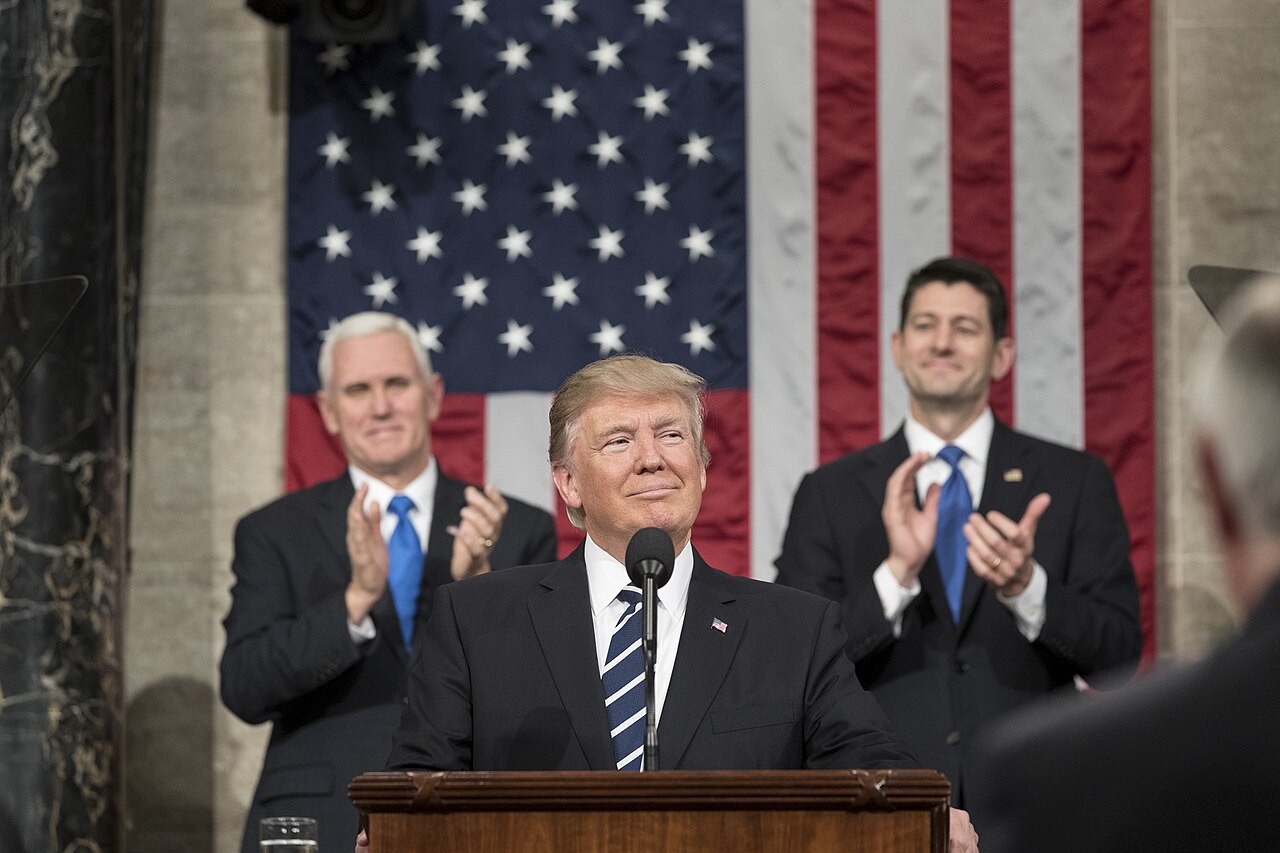
The British Broadcasting Corporation (BBC) has formally requested a U.S. court to dismiss a defamation lawsuit initiated by former President Donald Trump. The legal action, seeking $10 billion in damages, centers on the BBC's editing of a 2021 speech by Trump within a 2024 documentary. Trump alleges the documentary falsely portrayed him as inciting the January 6th Capitol riot.
Filed in Florida, the lawsuit claims the BBC engaged in defamation and violated the state's deceptive and unfair trade practices statute. The BBC's defense, outlined in court documents submitted on Monday, argues that Trump's subsequent electoral success demonstrates an absence of reputational harm from the documentary's content.
Jurisdictional Challenge and Contentions
A primary argument from the BBC's legal team is the lack of jurisdiction for a Florida court over the case. They contend that the documentary was primarily produced for a United Kingdom audience and was not distributed in Florida. This jurisdictional challenge forms a significant part of their motion to dismiss the proceedings.
Background of the Dispute
The controversy originated from a 2024 BBC documentary that included footage of a 2021 speech by then-President Trump. Trump's legal complaint asserts that the editing of this speech created a misleading impression, suggesting he directed supporters to breach the U.S. Capitol building. The BBC had previously issued an apology regarding the editing process, though it maintains its position that the lawsuit lacks merit.
Legal Arguments and Future Proceedings
Lawyers representing the BBC emphasized that Trump's ability to secure a subsequent election victory after the documentary's release undermines any credible claim of reputational damage. This argument directly challenges the core premise of the defamation suit. Should the motion to dismiss be unsuccessful, a trial date has been provisionally set for February 2027.
Implications for Media and Public Figures
This case highlights ongoing tensions between media organizations and public figures regarding editorial control and the portrayal of political events. The outcome could establish precedents for how international broadcasters are held accountable in U.S. courts for content primarily intended for foreign audiences. It also underscores the complexities of defamation claims when a public figure's political standing remains robust despite alleged reputational harm.
Implications
Country Impact: The case could influence how international media entities are subject to U.S. legal jurisdiction, particularly concerning content produced for non-U.S. audiences. It also tests the boundaries of defamation law in Florida regarding public figures.
Industry Impact: For the media industry, this lawsuit could set precedents on editorial responsibilities, content editing practices, and the defense against defamation claims from high-profile political figures. It highlights the challenges of cross-border legal disputes for broadcasters.
Market Impact: While direct market impact is limited, the outcome could subtly influence media companies' risk assessments for political content, potentially leading to more cautious editorial decisions regarding controversial figures. Legal costs for such high-profile cases can also be substantial.