Trump Ties Endorsement to Voting Bill Passage
Donald Trump has linked his endorsement in the Texas Republican Senate runoff to the passage of his 'SAVE America Act' voting bill.
Lauren Collins ·
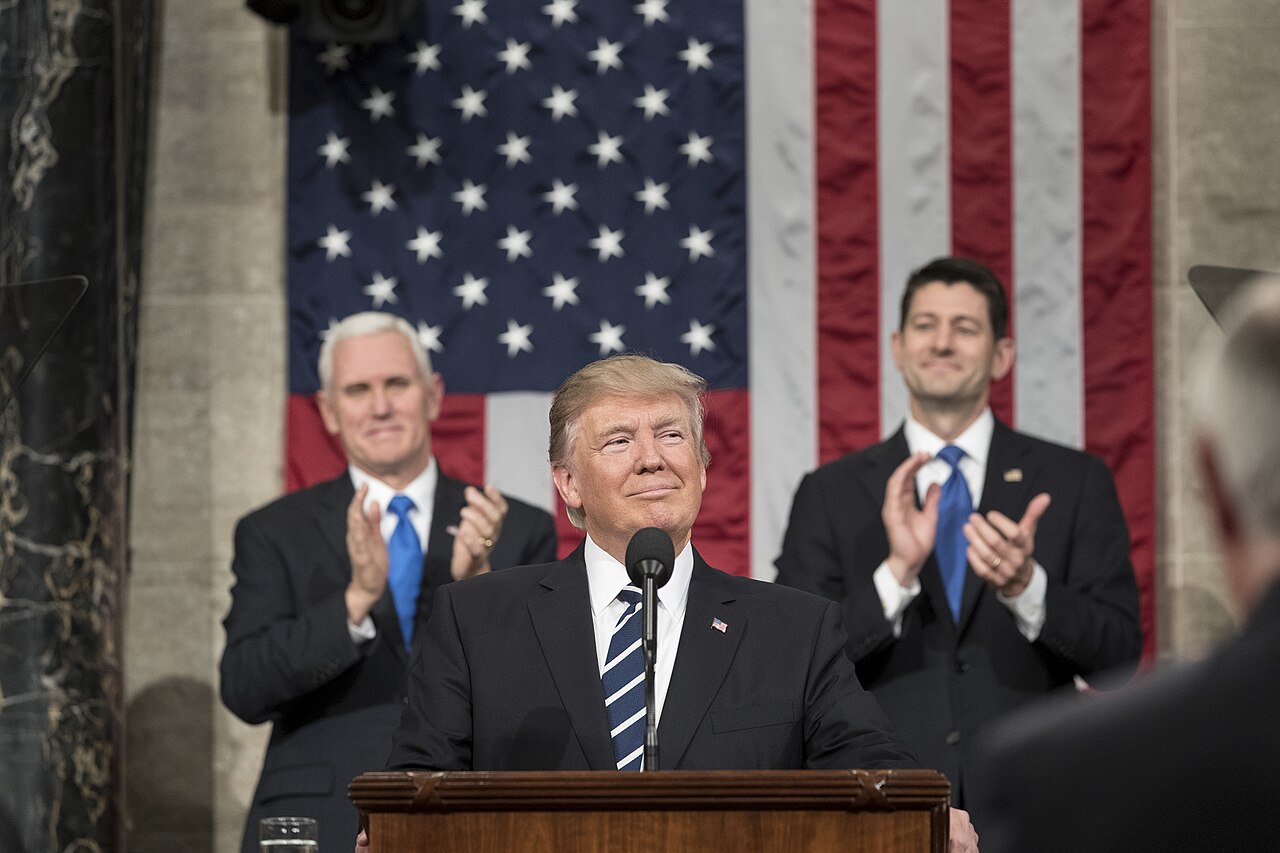
Former President Donald Trump has conditioned his endorsement in the Texas Republican Senate runoff election on the passage of his proposed "SAVE America Act." This legislation, which includes new voter identification requirements and other restrictions, has become a central focus for the former president.
This strategic move emerged following reports last week that Trump was considering endorsing Senator John Cornyn. The revelation reportedly caused dissatisfaction within Trump's circle, leading to a shift in his approach.
Political Maneuvering in Texas Runoff
Texas Attorney General Ken Paxton, Cornyn's opponent in the runoff, subsequently offered to withdraw from the race. Paxton's offer was contingent on the Senate passing the "SAVE America Act" and, crucially, on the elimination of the legislative filibuster, a procedural tool requiring 60 votes to advance most legislation.
Trump is now utilizing the prospect of his endorsement as leverage to pressure Republican senators. His aim is to compel them, including Senate Majority Leader John Thune, to abolish the 60-vote threshold for legislation, thereby facilitating the passage of the voting bill.
Filibuster Debate and Party Dynamics
The "SAVE America Act" has already cleared the House of Representatives. Senator Cornyn, who secured a narrow lead over Paxton in the primary, has indicated a willingness to consider modifications to Senate rules to advance the bill, despite his prior opposition to altering the filibuster.
This development presents a significant challenge for the Republican Party. The party has already allocated approximately $100 million to the primary campaign. GOP leaders, including Thune, had previously encouraged Trump to endorse Cornyn to prevent a potentially expensive general election, citing Paxton's history of controversies.
Implications for Republican Unity
Trump's insistence on the "SAVE America Act" has created friction with Senator Thune, who has publicly resisted calls to eliminate the filibuster. This divergence highlights internal party tensions regarding legislative strategy and the influence of the former president.
The deadline for candidates to withdraw from the runoff election is March 18. The outcome of this political maneuvering could significantly impact the Republican Party's unity and legislative priorities in the upcoming election cycle, particularly concerning election integrity legislation and Senate procedural rules.
Implications
Country Impact: This situation could influence the national debate on election integrity and voting rights, potentially setting a precedent for how future endorsements are leveraged in legislative battles. It also highlights the ongoing internal divisions within the Republican Party regarding procedural rules like the filibuster.
Industry Impact: The political maneuvering could impact industries involved in election technology and campaign finance, as legislative changes to voting laws often necessitate new equipment or administrative processes. Campaign spending in contested races also affects political advertising and consulting sectors.
Market Impact: While direct market impact is limited, political uncertainty and internal party strife can contribute to broader sentiment. The outcome of the Texas Senate race and the broader debate over voting legislation could influence investor confidence in sectors sensitive to regulatory changes or political stability.