Trump Postpones China Summit Amid Iran Conflict
President Trump postponed his China summit until late April 2026 due to the ongoing Iran conflict, impacting global oil markets.
Lauren Collins ·
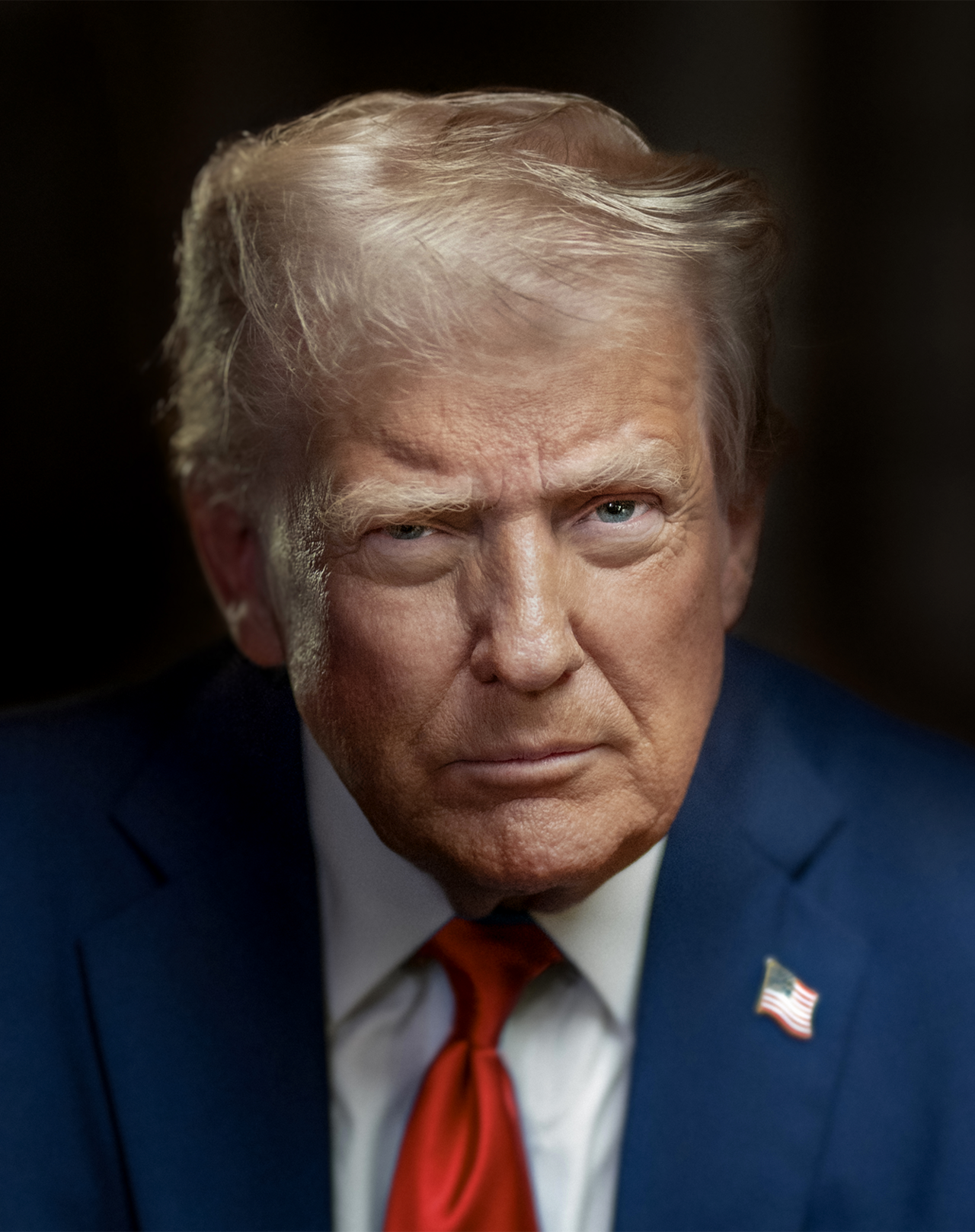
U.S. President Donald Trump has deferred his scheduled meeting with Chinese President Xi Jinping, initially planned for late March and early April in Beijing, until later in April. The postponement, confirmed by President Trump on Tuesday, March 18, 2026, is attributed to the ongoing military engagement involving the United States, Israel, and Iran, which has entered its third week. This conflict necessitates his continued presence in Washington.
The military operations against Iran have resulted in the closure of the Strait of Hormuz, a vital international shipping route. This closure has introduced considerable volatility into global oil markets and tightened fuel supplies worldwide. President Trump indicated that he seeks China's cooperation in facilitating the reopening of this strategic waterway, through which a significant volume of global oil shipments pass.
Diplomatic Engagements and Trade Relations
The postponed summit was intended to cover a range of bilateral issues between the two economic powers. Key agenda items included discussions on existing trade tariffs, China's policies regarding rare earth mineral exports, the United States' diplomatic stance on Taiwan, and the flow of fentanyl from China. These topics underscore the complex and multifaceted nature of the U.S.-China relationship.
Despite periods of heightened trade tensions, a temporary agreement was reached in October 2025, leading to a period of negotiation aimed at a more comprehensive trade accord. Both nations have been actively engaged in these discussions, seeking to stabilize and improve their economic ties. The Chinese Ministry of Foreign Affairs acknowledged ongoing communications concerning the U.S. President's visit arrangements.
Geopolitical Context and Economic Impact
The ongoing U.S.-Israeli military involvement with Iran has significant geopolitical ramifications, particularly concerning energy security. The Strait of Hormuz is a choke point for approximately one-fifth of the world's oil supply, making its closure a critical concern for global energy markets and international trade. The resulting fluctuations in oil prices directly impact consumer costs and industrial operations globally.
-China summit highlights how regional conflicts can disrupt broader international diplomatic calendars and economic strategies. S. and China is crucial for addressing such crises, especially when they affect critical infrastructure like international shipping lanes. The request for China's assistance in resolving the Strait of Hormuz situation underscores its growing influence in global affairs and its potential role in de-escalating international tensions.
Future Outlook for Bilateral Talks
The rescheduling of the meeting suggests that while immediate geopolitical concerns take precedence, both Washington and Beijing remain committed to high-level dialogue. The breadth of issues on the agenda, from trade to regional security, indicates the strategic importance of these discussions for both nations. The ability to navigate these complex issues will be critical for maintaining stability in global markets and international relations.
Implications
Country Impact: The U.S. and China face continued uncertainty regarding high-level diplomatic engagement, potentially impacting progress on critical bilateral issues like trade and regional security. Iran's geopolitical standing is significantly affected by ongoing military conflict and international pressure.
Industry Impact: The global energy sector, particularly oil and gas, is experiencing heightened volatility due to the Strait of Hormuz closure, leading to supply chain disruptions and increased operational costs for shipping and logistics. Industries reliant on rare earth minerals and those affected by fentanyl trade may also see continued policy uncertainty.
Market Impact: Global financial markets are reacting to increased geopolitical risk, particularly in energy commodities, with potential for sustained oil price fluctuations. Investor confidence may be tempered by the delay in U.S.-China trade talks and the broader instability in the Middle East.