Trump cites Iran nuclear inspections amid UN Gulf ship exit plan
Iran nuclear inspections are a flashpoint as Trump cites monitoring, while the UN moves to secure seafarers in Hormuz following a recent ceasefire.
Lauren Collins ·
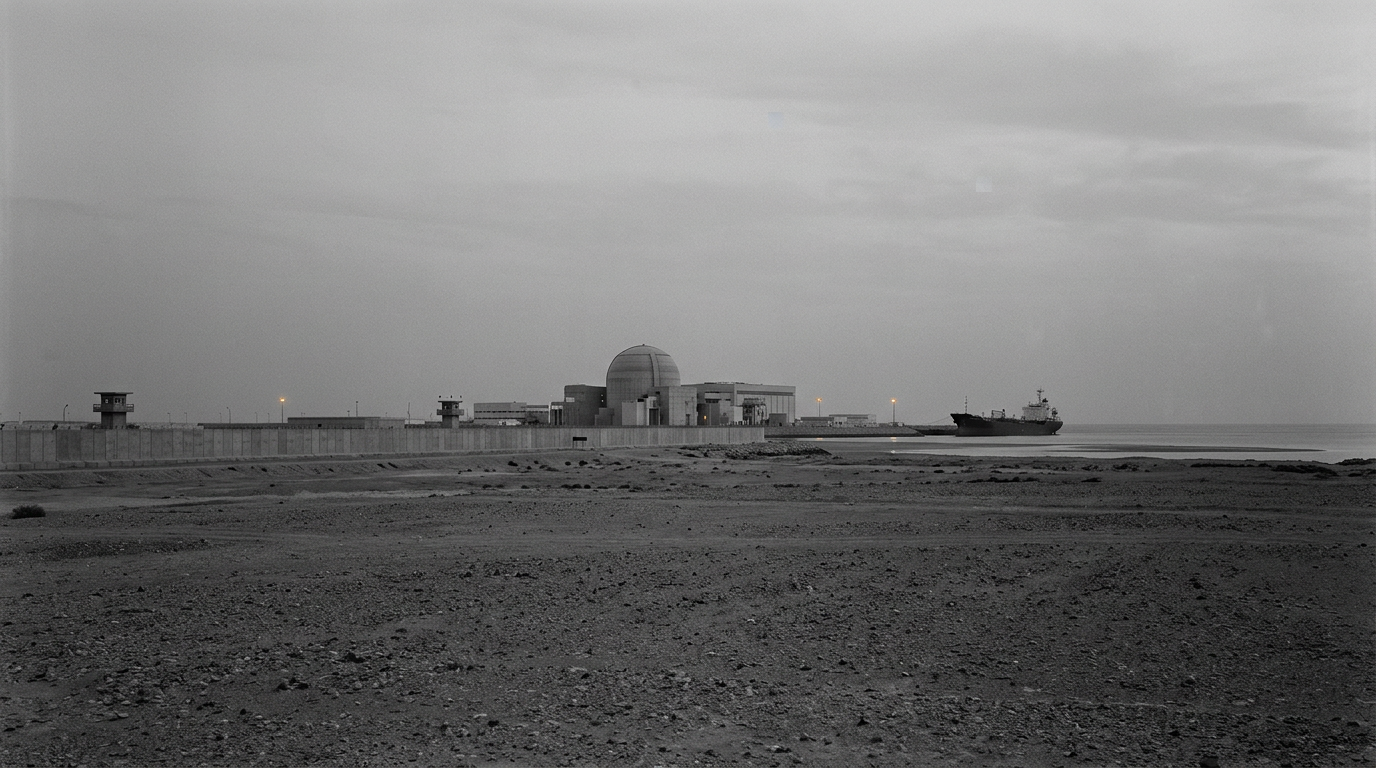
Iran nuclear inspections became a new point of contention after President Donald Trump said Tehran had accepted monitoring “into infinity,” even as Iran rejected the claim.
The dispute surfaced as the United Nations’ shipping body launched efforts to help hundreds of vessels and about 11,000 seafarers leave the Gulf via the Strait of Hormuz, following a fragile ceasefire.
UN shipping agency starts coordination for Hormuz transit
The International Maritime Organization (IMO) said it had begun contacting ships to start an evacuation plan aimed at enabling crews stranded on vessels in the Gulf to sail out safely.
An IMO spokesperson said the agency had obtained “necessary safety guarantees” and checked conditions for safe navigation, but did not give a timeline for when transits would resume at scale.
IMO Secretary-General Arsenio Dominguez described the effort as a “large-scale operation” that would be carried out with Iran, Oman and other coastal states, alongside the United States and the maritime industry.
The move comes after Iran effectively blocked Hormuz during the war, disrupting one of the world’s most critical maritime chokepoints and leaving large numbers of crews waiting offshore.
Trump and Tehran split over inspections as talks open
Trump’s comments on inspections came as Washington and Tehran began talks under a peace framework agreed last week, aimed at ending more than three months of conflict.
Iran has denied agreeing to the kind of indefinite inspection regime described by Trump, keeping uncertainty over verification measures that are often central to nuclear-related diplomacy.
The inspections dispute matters because shipping de-escalation depends not only on naval guarantees but also on confidence that the broader political agreement will hold.
U.S. grants 60-day sanctions waiver tied to peace process
In another sign of easing tensions, Washington agreed to suspend sanctions on Iran for 60 days starting Monday, according to the announcement linked to the first round of discussions under the new arrangement.
Trump also said previously frozen Iranian assets would be directed toward purchasing humanitarian supplies from the United States, framing the funds as relief-oriented rather than a broader economic opening.
The combined steps—maritime coordination, talks, and time-limited sanctions relief—suggest a tentative shift from crisis management toward structured implementation, though key details remain unresolved.
In the near term, maritime operators and insurers are likely to watch for clear scheduling of convoy movements, confirmation of safety conditions, and practical rules for passage through Hormuz.
Diplomatically, the next test will be whether the inspection issue can be clarified in follow-on sessions without undermining the ceasefire dynamics that enabled the UN’s evacuation plan to begin.