US, Israel Escalate Military Actions Against Iran
The US and Israel escalated military actions against Iran on March 13, 2026, with airstrikes on Tehran and other sites, intensifying regional conflict.
Lauren Collins ·
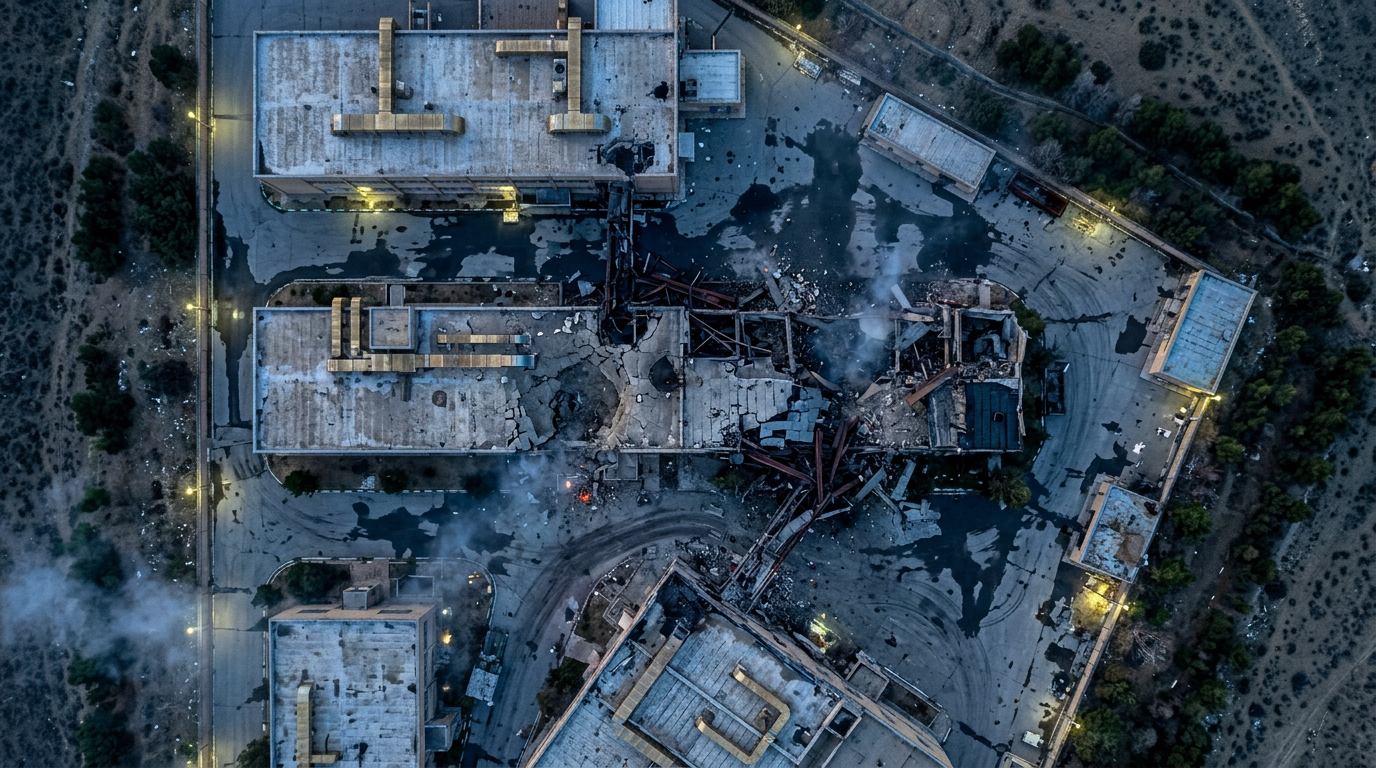
The United States and Israel significantly intensified military operations targeting Iran on Friday, March 13, 2026. This escalation involved airstrikes against Tehran and other Iranian locations, marking a critical phase in the ongoing regional conflict. The actions followed a period of heightened tensions and reciprocal attacks across the Middle East.
U.S. President Donald Trump issued strong rhetoric, indicating severe repercussions for Iran and characterizing its leadership in highly critical terms. These statements underscored the U.S. administration's firm stance regarding the military campaign.
Escalation of Regional Hostilities
Successive waves of aerial assaults by Israeli and U.S. forces were reported, including a strike near Tehran University, a location previously associated with al-Quds Day rallies. This specific targeting suggests a strategic focus on symbolic or significant Iranian sites.
Concurrently, the broader Middle East experienced a surge in violence. Israeli forces conducted additional strikes within Lebanon, leading to the displacement of approximately 800,000 individuals. This humanitarian impact highlights the widespread consequences of the conflict.
Reciprocal Attacks and Casualties
In response, Hezbollah and Iran launched new missile and drone attacks against targets in Israel. Iran also directed assaults against civilian infrastructure in various Gulf states, broadening the geographical scope of the hostilities. These events were mapped between February 28 and March 12, 2026, indicating a concentrated period of military activity.
The escalation also resulted in casualties among coalition forces. Six U.S. servicemen died in a tanker plane crash in Iraq, while a French soldier was killed by a drone strike attributed to a pro-Iranian militia, also in Iraq. These incidents underscore the direct human cost of the conflict.
Official Statements and Outlook
U.S. Defense Secretary Pete Hegseth commented on the situation, suggesting that Iranian leaders were under significant pressure. The increased military engagement by both the U.S. and Israel signals a deliberate and substantial escalation in their campaign against Iran, moving beyond previous levels of confrontation.
The current trajectory indicates a deepening of the conflict, with potential for further expansion across the region. International observers are closely monitoring the situation for any signs of de-escalation or further intensification, given the strategic importance of the Middle East to global stability and energy markets.
Implications
Country Impact: The intensified military actions risk further destabilizing the Middle East, potentially drawing more regional actors into direct conflict. Civilian populations face increased displacement and humanitarian crises, particularly in areas like Lebanon.
Industry Impact: The energy sector faces significant volatility due to heightened geopolitical risk in the Middle East, a critical oil and gas producing region. Shipping and logistics industries may experience disruptions and increased insurance costs.
Market Impact: Global financial markets are likely to react with increased risk aversion, leading to potential declines in equity markets and a flight to safe-haven assets such as gold and government bonds. Oil prices are expected to rise sharply.