Cuba Confirms US Talks Amidst Economic Strain
Cuba confirms direct talks with U.S. officials on March 13, 2026, amidst economic strain and U.S. pressure, but asserts sovereignty.
Lauren Collins ·
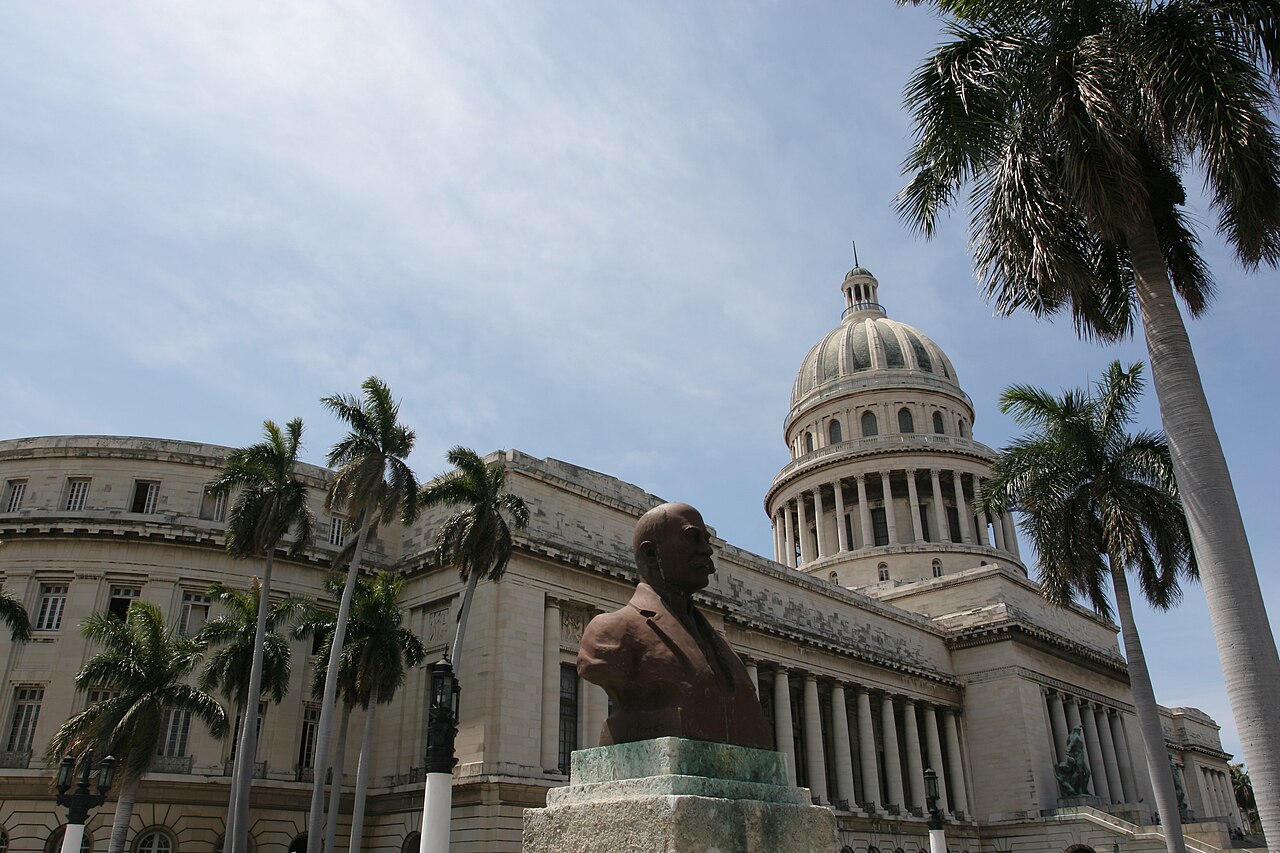
Cuban President Miguel Díaz-Canel announced on Friday, March 13, 2026, that direct discussions are underway between Havana and Washington. These high-level engagements aim to resolve long-standing disagreements between the two nations. The White House has reportedly exerted pressure for these talks, which Cuba's chief of mission in the U.S., Lianys Torres Rivera, confirmed.
Cuba has explicitly stated that its internal governance, including its socialist economic model and political structure, remains outside the scope of these negotiations. This position underscores a fundamental difference in approach, as U.S. President Donald Trump has previously hinted at a desire for political change within Cuba.
Context of Bilateral Discussions
Cuba's economy has experienced considerable pressure following the U.S. capture of Venezuelan leader Nicolás Maduro in January. This event led to a cessation of crucial Venezuelan oil supplies, which are vital for Cuba's energy sector and overall economic stability. The disruption has severely impacted essential services, including transportation, healthcare, and education.
Economic and Social Impact
President Trump had previously indicated that his administration was pursuing negotiations with Havana. Secretary of State Marco Rubio was reportedly tasked with leading these discussions, engaging with Raul Rodriguez Castro, the grandson of former Cuban President Raul Castro, suggesting a direct line of communication.
Diplomatic Preconditions and Future Outlook
President Díaz-Canel emphasized that any successful dialogue must be founded on principles of equality and mutual respect for the political systems and sovereignty of both countries. This condition sets a clear boundary for the Cuban government, indicating that while they are open to discussion, fundamental changes to their national identity are not on the table. The outcome of these talks will significantly influence future U.S.-Cuba relations and regional stability.
Implications
Country Impact: Cuba faces significant economic strain, particularly in its energy and social services sectors, potentially increasing its reliance on diplomatic solutions. The U.S. seeks to influence Cuba's internal affairs while managing broader regional geopolitical interests.
Industry Impact: The cessation of Venezuelan oil supplies directly impacts Cuba's energy sector, leading to broader disruptions in transportation and other industries. Any resolution could stabilize these critical supply chains.
Market Impact: The ongoing U.S.-Cuba talks introduce an element of uncertainty into regional markets, particularly those tied to energy and trade with Cuba. A diplomatic breakthrough could potentially open new market opportunities or alleviate existing sanctions-related pressures.