Putin Orders Infrastructure Security Review Amid Attacks
Russian President Putin ordered a security review of critical infrastructure on March 13, 2026, following recent Ukrainian attacks.
Lauren Collins ·
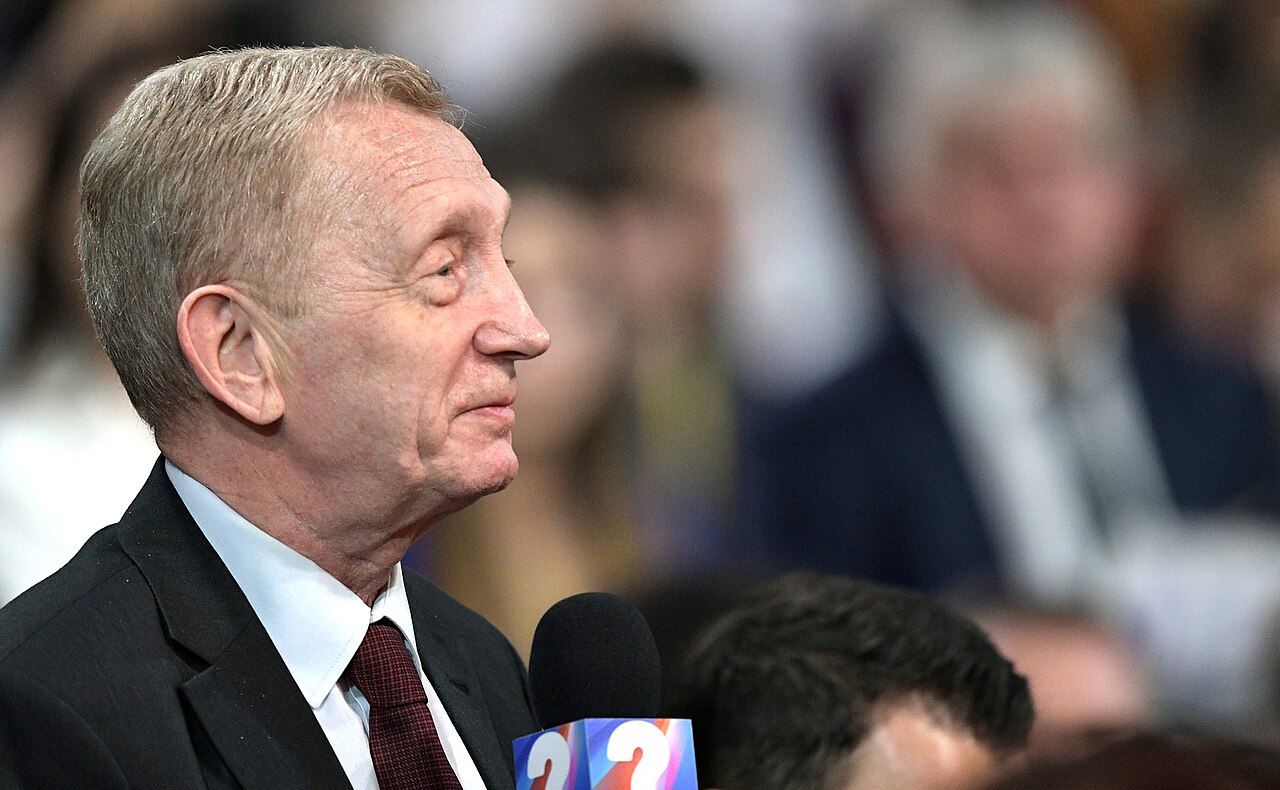
Russian President Vladimir Putin recently convened his Security Council to address the escalating threat to the nation's critical infrastructure. The meeting, held on Friday, March 13, 2026, focused on developing enhanced protection measures following a series of Ukrainian attacks targeting key industrial and energy facilities.
During the session, President Putin instructed Deputy Prime Minister Alexander Novak, Transport Minister Vitaly Savelyev, and Construction Minister Irek Faizullin to present concrete proposals for bolstering security. This directive underscores the Kremlin's growing concern over the vulnerability of strategic assets to external aggression.
Recent Attack Incidents
The Security Council meeting was prompted by several recent incidents. On March 10, Ukrainian forces reportedly utilized British Storm Shadow missiles to strike a semiconductor and integrated microchip factory located in Bryansk, approximately 100 kilometers from the Ukrainian border. This attack resulted in six fatalities, highlighting the human cost of such operations.
Earlier, on February 25, Ukrainian drones reportedly targeted a chemical plant in Dorogobuzh, owned by fertilizer producer Akron. This incident led to an estimated 5% reduction in Russia's overall fertilizer output, impacting a crucial sector of the Russian economy. Additionally, the Russian defense ministry reported thwarting a Ukrainian attempt to attack a Gazprom pumping station, which is vital for natural gas exports via the TurkStream pipeline.
Energy and Digital Infrastructure Targeted
Further incidents include a drone attack on March 2 that temporarily halted operations at the Sheskharis oil terminal on Russia's Black Sea coast. This particular strike caused damage to 20 buildings and resulted in five injuries, underscoring the direct impact on energy export capabilities.
In response to these persistent threats, Russia has implemented various security protocols, including measures affecting digital communications. Reports indicate that mobile internet services have been slowed or temporarily shut down in Moscow and other major urban centers, leading to widespread service disruptions for citizens. These actions reflect a broader effort to mitigate potential threats and control information flow during periods of heightened security concerns.
Strategic Implications and Future Outlook
The coordinated nature of these attacks suggests a strategic effort to disrupt Russia's industrial capacity, energy exports, and technological base. The targeting of facilities like semiconductor plants and chemical producers indicates an intent to impact both military-industrial capabilities and broader economic stability.
The Kremlin's response, involving high-level security council meetings and directives to key ministers, signals a prioritization of infrastructure defense. Future developments will likely include increased investment in air defense systems, enhanced physical security at critical sites, and potential retaliatory measures against perceived threats. The ongoing conflict continues to reshape Russia's internal security posture and its approach to protecting vital national assets.
Implications
Country Impact: Russia faces increased internal security challenges, potentially leading to further restrictions on public services like internet access. The attacks could strain national resources allocated to defense and infrastructure protection.
Industry Impact: Key Russian industries, particularly energy, technology, and agriculture, are vulnerable to disruption. Reduced output in sectors like fertilizer production could have ripple effects on global supply chains and commodity prices.
Market Impact: Global energy markets may experience volatility due to disruptions in Russian oil and gas infrastructure. Investor confidence in Russian assets could decline, impacting foreign direct investment and the ruble's stability.