US-Iran Tensions Escalate, Oil Markets React
US-Iran tensions escalate, impacting global energy markets and maritime security. Oil prices rise amid attacks and Strait of Hormuz blockades.
Lauren Collins ·
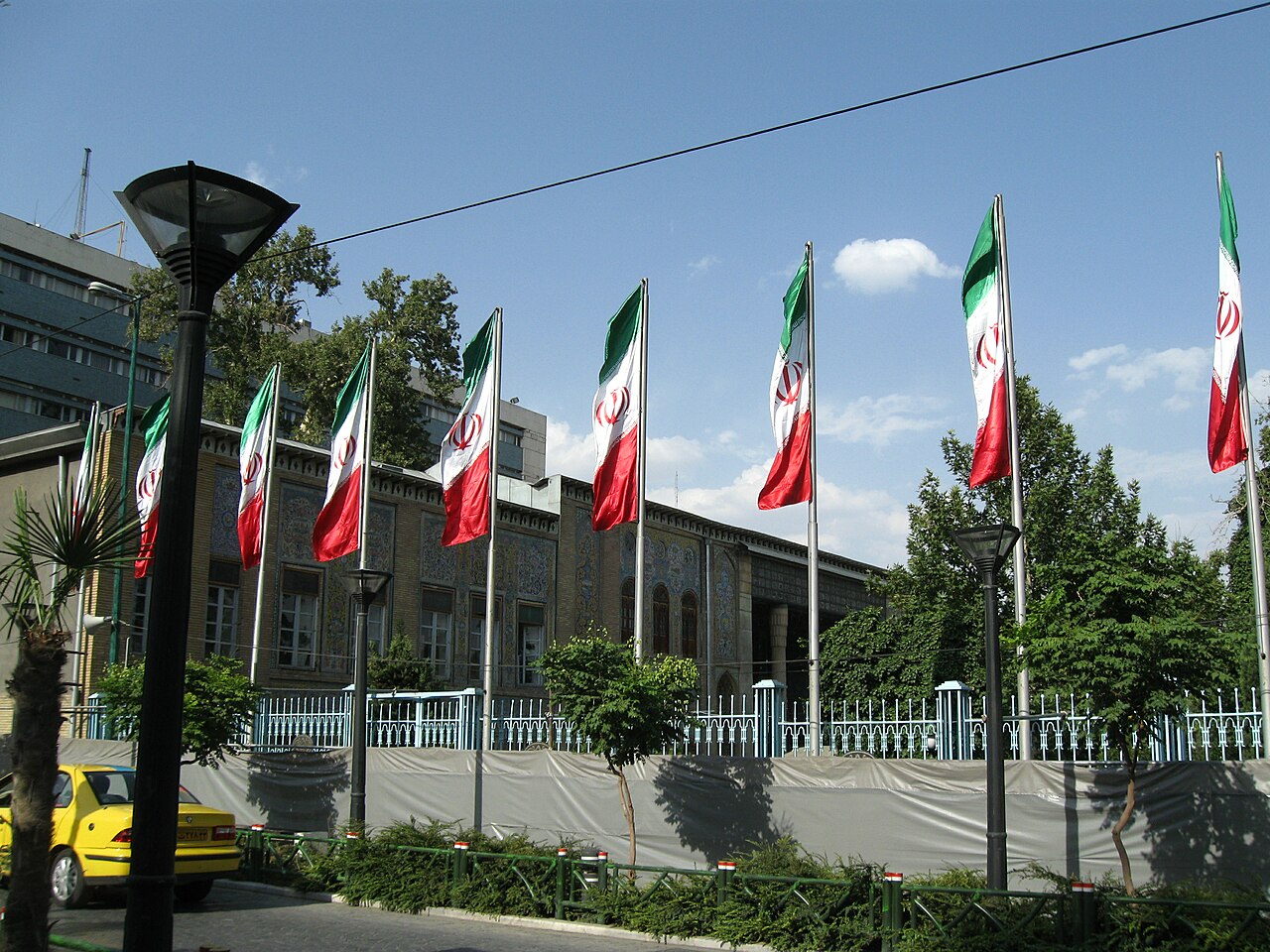
Tensions between the United States and Iran have intensified, leading to significant disruptions in global energy markets and maritime operations. The ongoing friction has prompted warnings of potential oil price surges and has seen both nations take measures impacting regional stability. This escalation follows a series of incidents, including attacks on shipping and continued military actions in the Middle East.
Recent developments include Iranian forces conducting strikes in Israel and other Middle Eastern locations, indicating sustained operational capacity. Concurrently, the Strait of Hormuz, a vital conduit for global oil shipments, has experienced blockades. These actions have directly contributed to volatility in international oil prices.
Maritime Security Concerns Rise
Attacks on tankers in Iraqi waters and other vessels operating near the Strait of Hormuz have been reported. These incidents have raised concerns about the safety of maritime transport in the region. In response, the G7 nations are reportedly evaluating options, including providing escorts for commercial ships to ensure secure passage through the Gulf.
Energy Market Volatility
Oil prices have seen an uptick amidst the escalating conflict. Iran has issued projections suggesting that crude oil could reach $200 per barrel if the situation deteriorates further. To counteract potential price spikes, the United States has authorized a substantial release from its Strategic Petroleum Reserve, aiming to stabilize global energy supplies.
Regional Impact and Casualties
The conflict has resulted in a significant human toll, with approximately 2,000 casualties reported. The majority of these casualties are identified as Iranian and Lebanese, and over 1,100 children are among those reported dead or injured. This highlights the severe humanitarian consequences of the prolonged engagement.
Strategic Objectives and Warnings
The United States has indicated that it has neutralized Iranian naval assets within the area, signaling a direct military response to perceived threats. S. -owned oil and energy infrastructure in Iraq, as well as hotels frequented by American citizens. S. and Israel include dismantling Iran's force projection capabilities and its nuclear program, underscoring the strategic dimensions of the conflict.
Implications
Country Impact: The escalating US-Iran tensions directly impact regional stability across the Middle East, particularly in Iraq and Israel, with significant humanitarian consequences for local populations. The conflict risks broader regional involvement and destabilization.
Industry Impact: The global energy sector faces heightened volatility, with oil prices reacting to supply chain disruptions and geopolitical risks. Maritime shipping and insurance industries are also affected by increased security concerns in critical transit routes like the Strait of Hormuz.
Market Impact: Global financial markets are likely to experience increased uncertainty, particularly in energy-related equities and commodities. The potential for higher oil prices could fuel inflation, influencing central bank policies and bond yields worldwide.