US Sues California Over Emissions Standards Authority
The U.S. Justice Department sued California in 2019 over its authority to set vehicle emissions standards, challenging state autonomy.
Lauren Collins ·
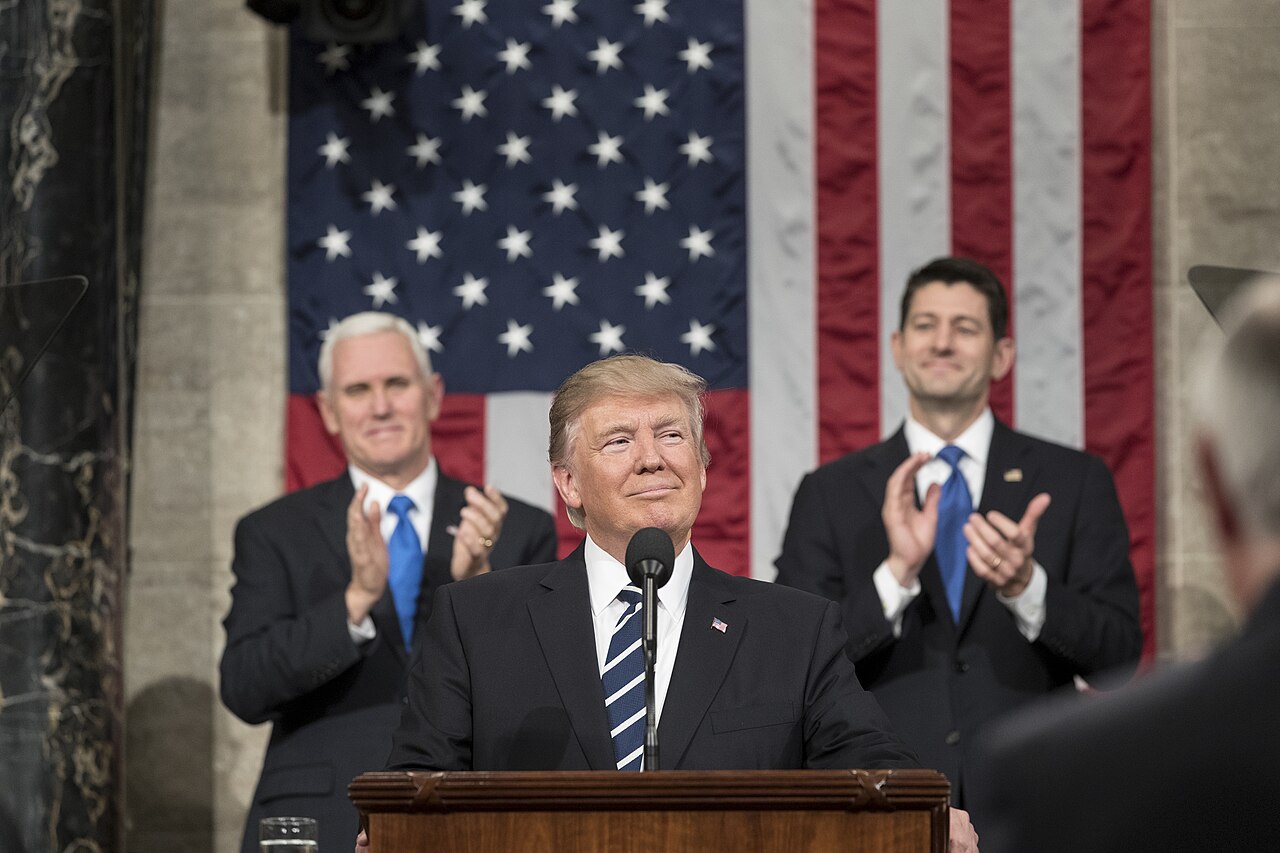
The U.S. Justice Department initiated legal action against California on September 20, 2019, contesting the state's long-standing ability to establish its own vehicle emissions regulations. This federal lawsuit argued that national statutes supersede California's independent regulatory powers concerning automotive emissions.
This legal challenge emerged after California reached an agreement with four major automobile manufacturers: Ford, Honda, BMW, and Volkswagen. These companies committed to meeting more stringent emissions reduction targets than those outlined by the federal government at the time.
The Justice Department's filing asserted that regulatory authority over vehicle emissions rests exclusively with federal agencies, specifically the National Highway Traffic Safety Administration (NHTSA) and the Environmental Protection Agency (EPA). The core of the federal argument was that California's independent standards were preempted by federal law.
Historical Context of California's Authority
California has historically held unique authority to set its own emissions standards, a power granted under the Clean Air Act. This waiver has allowed the state to implement more rigorous environmental protections than federal mandates, often influencing national automotive industry practices due to its significant market size.
For decades, other states have also adopted California's stricter emissions rules, creating a de facto national standard for many automakers. This dual regulatory system has been a cornerstone of environmental policy in the United States.
Implications for Environmental Policy
The lawsuit sought to invalidate California's agreement with the automakers and prevent the state from enforcing its independent emissions rules. A successful federal challenge would have significantly altered the landscape of environmental regulation for the automotive sector across the country.
Such a ruling could have curtailed the ability of states to implement environmental policies that exceed federal requirements, potentially leading to a more uniform, and possibly less stringent, national standard. The outcome of this legal dispute held considerable implications for both environmental protection and state autonomy in regulatory matters.
Automaker Responses and Market Dynamics
The decision by Ford, Honda, BMW, and Volkswagen to align with California's stricter standards highlighted a divergence within the automotive industry. While some manufacturers opted for consistency with California's regulations, others supported the federal government's efforts to establish a single, less demanding national standard.
This split reflected differing corporate strategies regarding future vehicle development, investment in green technologies, and market positioning. The legal battle underscored the tension between federal oversight and state-led environmental initiatives within a critical economic sector.
Implications
Country Impact: The lawsuit challenged the balance of power between federal and state environmental regulation, potentially limiting states' abilities to set stricter standards than the federal government. This could have led to a more uniform, but potentially less ambitious, national environmental policy.
Industry Impact: The automotive industry faced regulatory uncertainty, with some manufacturers aligning with California's stricter rules while others supported federal efforts. A federal victory could have simplified compliance for automakers but potentially slowed the adoption of advanced emissions reduction technologies.
Market Impact: The legal dispute created uncertainty for the automotive market regarding future emissions standards and vehicle development. It also highlighted the potential for market fragmentation if states were to lose the ability to set independent environmental regulations.