Treasury buyback rises to $6 billion as yields hit 4.83%
The Treasury will buy up to $6 billion of 10- to 20-year debt, triple its earlier signal, as investors had expected more.
Jurgen Goldmeier ·
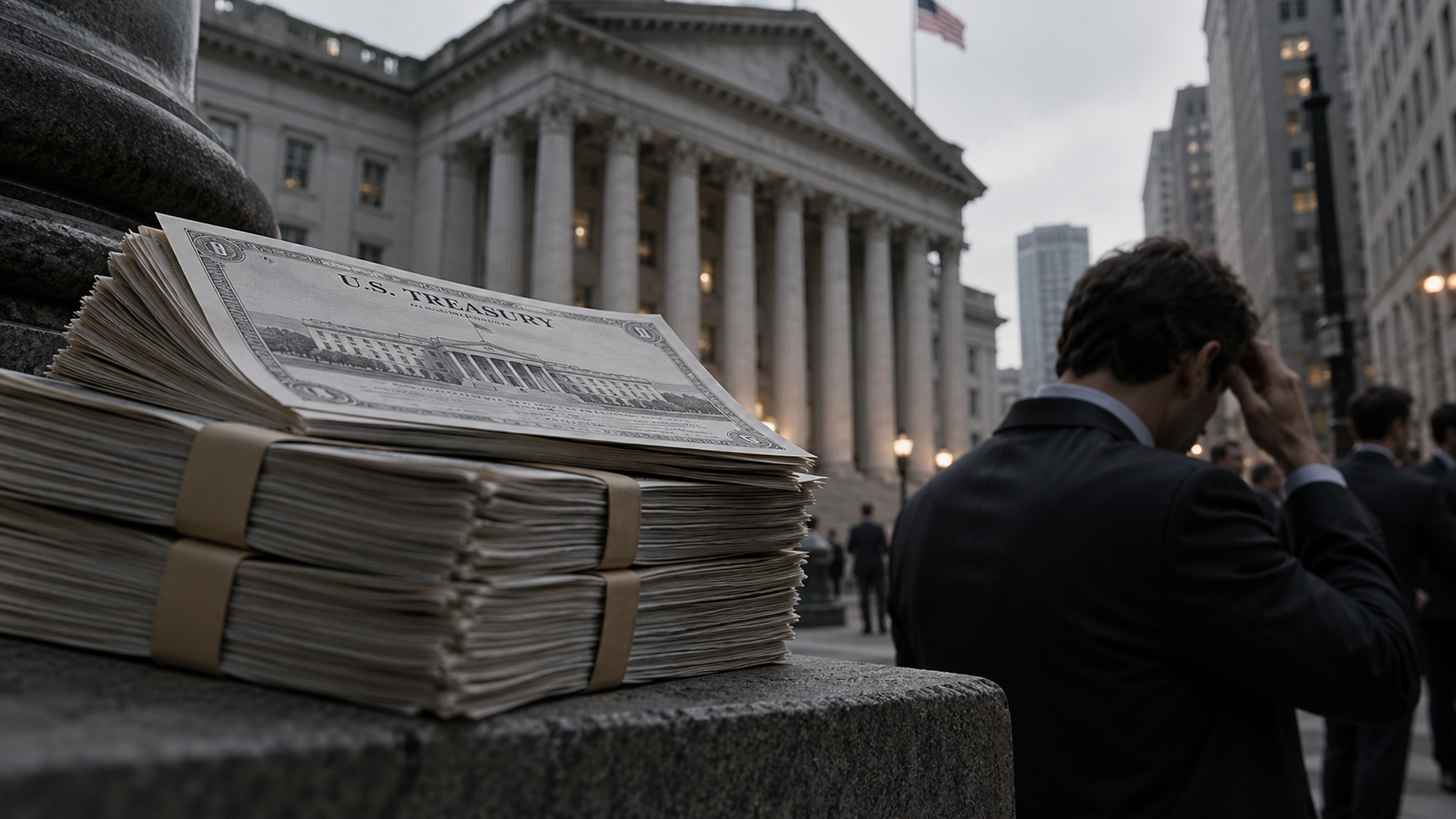
The Treasury buyback will target up to $6 billion of 10- to 20-year debt, a larger operation that still disappointed bond investors.
$6 billion ceiling disappoints
The Treasury Department said it would purchase outstanding securities in the 10- to 20-year maturity sector, tripling the $2 billion amount previously communicated to investors. The operation is the first under an expanded buyback program associated with Treasury Secretary Scott Bessent's push to slow the rise in federal borrowing costs.
Treasuries extended an earlier decline after the announcement. The 10-year yield rose about 5 basis points to 4.83% at 11:35 a.m. in New York, the highest level since 2023; bond prices fall when yields rise.
Bessent's signal lifted expectations
The reaction reflected a gap between the new cap and expectations that had shifted higher before the operation. Dealers had raised forecasts for Thursday's purchase after Bessent publicly indicated that buybacks could exceed $4 billion, according to the details provided.
Bessent said Tuesday that he could not change the equilibrium price of Treasuries, while describing his aim as slowing market moves and preventing a damaging narrative from forming. That distinction matters: buybacks can add demand at selected maturities, but they do not erase the supply, inflation and fiscal factors that shape Treasury yields.
Steven Zeng, a strategist at Deutsche Bank AG, said investors had wanted a larger surprise. "They tripled the amount, but the market is trading it like a disappointment because it's not the shock and awe" investors wanted, Zeng said. "It's like Treasury created this monster that it now has to keep feeding."
Long bonds remain pressure point
The focus on 10- to 20-year securities places the operation in the part of the curve most exposed to shifting views on term premium, deficit financing and the outlook for policy rates. A 5-basis-point move at the 10-year tenor is watched across mortgage, corporate credit and equity valuation channels; those markets use Treasuries as reference rates.
Buybacks also affect dealers, which intermediate Treasury supply and client demand. A larger operation can remove specific securities from the market and ease balance-sheet pressure at the margin, while a smaller-than-expected size can leave positioning and auction concerns in place.
Scenarios for yields and dealers
If the $6 billion operation steadies trading and yields hold near current levels, the global macro effect would run through calmer dollar funding and less upward pressure on benchmark rates. For Treasury, the mechanism would be lower market volatility around future issuance; for dealers, it would reduce the need to warehouse less liquid longer-maturity securities.
If yields keep rising after the buyback, the pressure would pass through higher global discount rates, dearer dollar borrowing and tighter financial conditions. For Treasury, larger or more frequent buybacks would risk resetting expectations again; for the wider bond market, each new operation would become a test of whether official demand can offset private investors' required return.
The immediate test is whether Thursday's operation clears bonds smoothly and whether investors treat $6 billion as a new baseline rather than a one-off adjustment. The next signal will come from the size, maturity focus and take-up of subsequent buybacks, which will show whether the expanded program is functioning as a market-calming tool or as another event for traders to price around.