Iran Attacks US Base and Ships Near Hormuz
Officials said the strikes extended the conflict into two oil-sensitive locations as supply concerns rise.
Mateo Fernandez ·
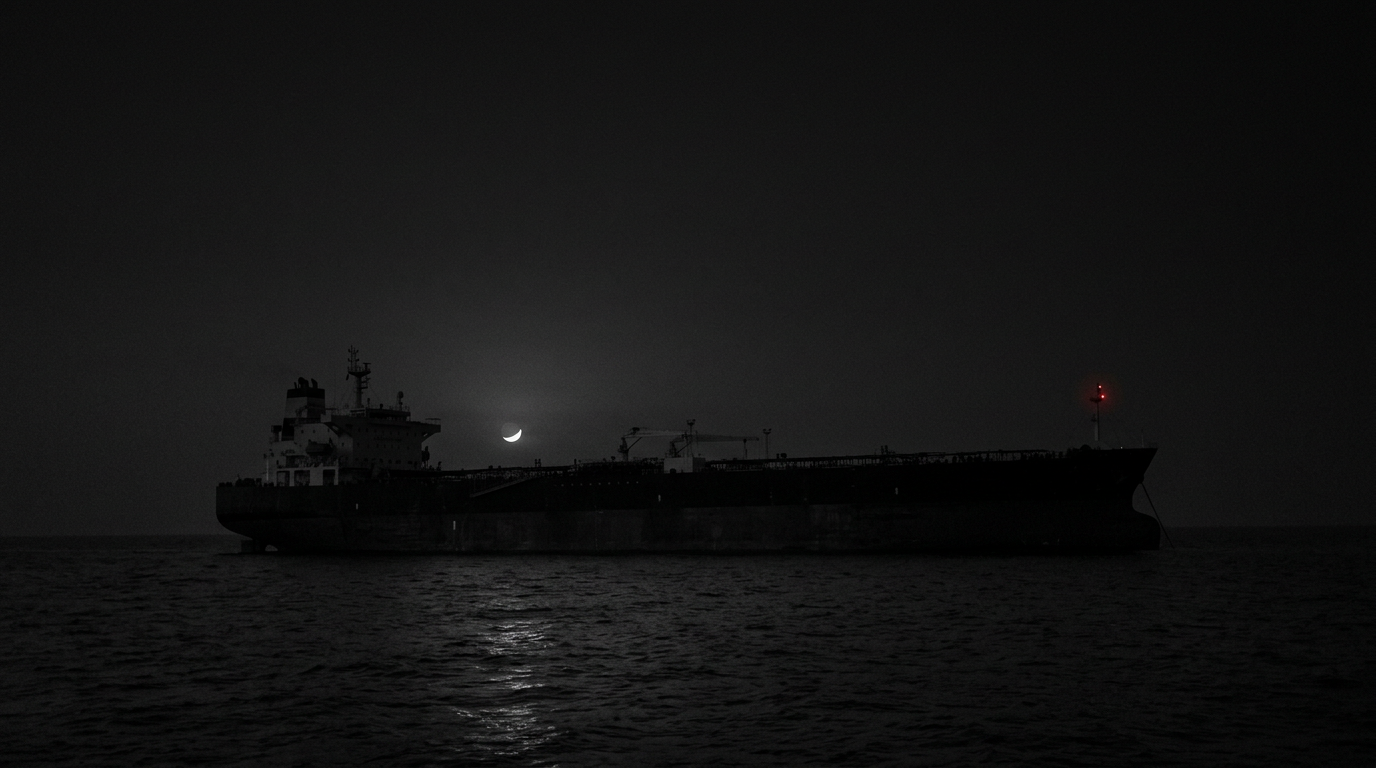
Officials said Iran attacked a US base in Jordan and ships near Hormuz on Wednesday, extending a confrontation into two oil-sensitive locations and putting energy markets on alert. The reported strikes followed increased attacks by both sides, which officials said have drawn regional allies further into the conflict.
The oil risk is centered on proximity. Hormuz sits on a key route for crude and fuel shipments, so any confirmed disruption to vessels, insurance coverage or port operations would matter quickly for commodities markets.
Hormuz shipping risk widens
The immediate commodity channel is freight and security cost. If shipowners slow sailings or insurers adjust war-risk coverage after the attacks, crude buyers may price in higher delivered costs before any physical shortage appears.
For the US, the Jordan base attack adds a military dimension away from the waterway itself. Officials have not provided verified details on damage, casualties or vessel disruption in the payload, leaving the market reaction dependent on confirmations from governments, port authorities and shipping operators.
For energy companies, the first impact would fall on logistics rather than production. Refiners and traders with cargoes routed near Hormuz would face higher uncertainty on delivery timing if vessel traffic is delayed, while producers would watch whether buyers seek alternate grades or routes.
By September 10, 2026, the market call is conditional: if authorities report disrupted sailings near Hormuz, oil risk premiums are likely to widen; if traffic remains open, attention shifts to whether the Jordan base strike draws a US response.