Hormuz Disruption: Chevron CEO Warns of Energy Shock
Chevron CEO Mike Wirth said April 26, 2026 that Hormuz disruptions and lower inventories are driving sustained price pressure and volatility.
Atlas Newsdesk ·
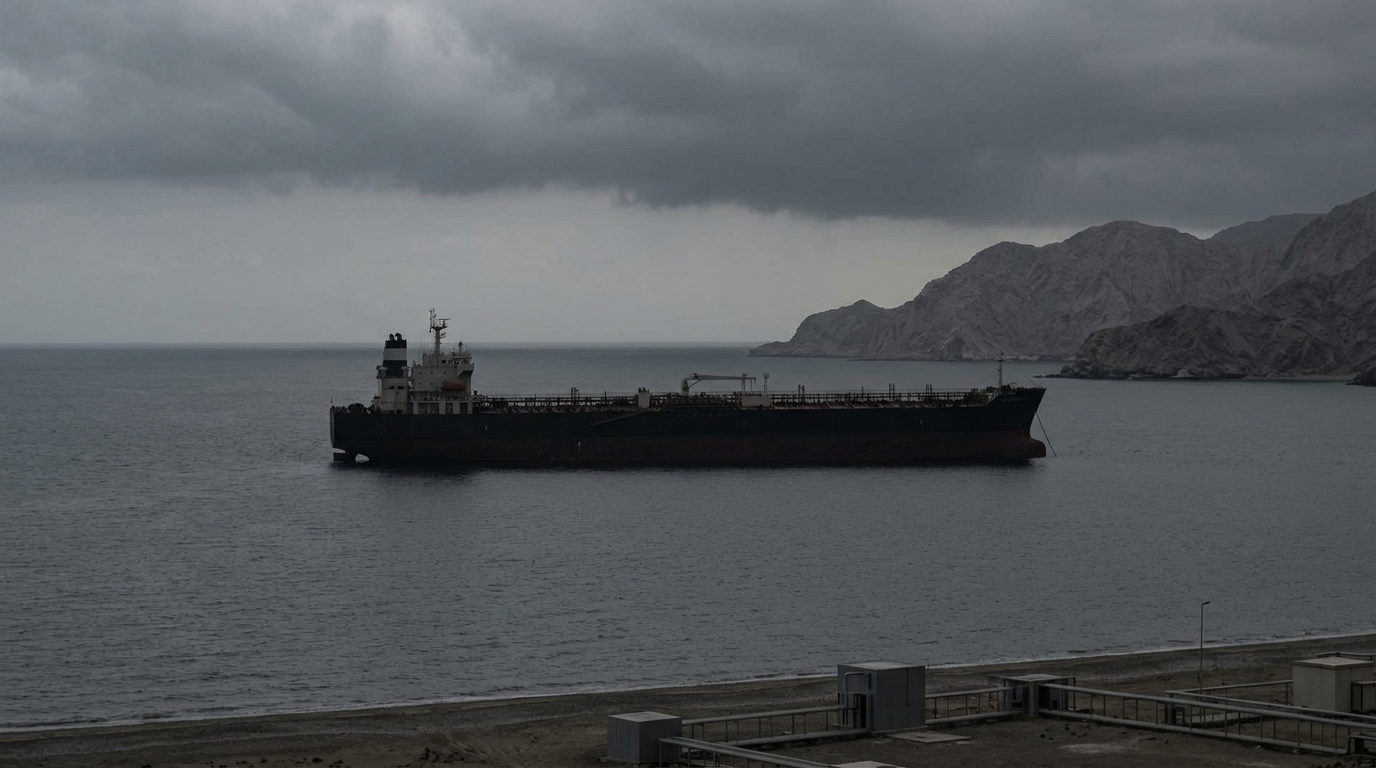
Chevron CEO Mike Wirth said on April 26, 2026, that the global energy system has become less able to absorb disruptions, a shift he linked to persistent upward pressure on prices and heightened volatility. He made the remarks in an interview on "Face the Nation with Margaret Brennan" , describing a market environment where shocks are translating more quickly into price moves.
Wirth said the current situation is being driven primarily by disrupted oil flows through the Strait of Hormuz , a key route that typically carries about 20% of the roughly 100 million barrels of oil consumed worldwide each day. He argued that the breadth of today’s disruptions—particularly in critical shipping lanes—exceeds the combined scope of the 1973 Arab oil embargo , the 1979 Iranian oil crisis , and the 2022 Russia-Ukraine conflict .
According to Wirth, the system’s ability to cushion supply interruptions has been weakened by the drawdown of strategic reserves and by lower inventories held in tanks and on ships. He said those “shock absorbers” previously helped dampen the immediate market impact of disruptions, but their reduced availability means interruptions are now more likely to feed directly into higher prices.
Wirth said restoring oil flows through the Strait of Hormuz is central to stabilizing markets and rebuilding inventories. He added that even if the Strait were to reopen, the process of normalizing global logistics and supply chains would take time, reflecting the complexity of rerouting, rescheduling, and rebalancing physical supply chains after a major maritime disruption.
He also highlighted ongoing security risks for commercial shipping, pointing to Iran’s ability to target vessels as a factor that complicates transit. In that context, Wirth said Chevron would depend on assessments from the U.S. Navy and other military authorities before resuming full operations through the Strait, with the possibility that naval escorts could be needed during an initial reopening phase to protect personnel and cargo.
Wirth’s comments place renewed focus on how quickly physical constraints in a single chokepoint can ripple through energy markets when spare buffers are limited. He framed the immediate priority as restoring safe passage and rebuilding inventories, while acknowledging that operational and logistical normalization would not be instantaneous even after flows resume.