World Bank Warns: Inflation Threatens Global Growth
World Bank President Ajay Banga warned on April 7 that Iran conflict-linked disruptions could lift inflation 0.9% and cut growth 0.4%.
Atlas Newsdesk ·
World Bank Group President Ajay Banga said on April 7 that the global economy should brace for higher inflation and weaker growth, linking the outlook primarily to the ongoing conflict in Iran. He made the comments at an Atlantic Council event in Washington, D.C., ahead of the International Monetary Fund (IMF)-World Bank Spring Meetings.
Banga outlined specific estimates for the potential macroeconomic hit. He projected that inflation could increase by an additional 0.9 percent, while global economic growth could be reduced by 0.4 percent. He attributed these effects to disruptions in shipping and energy markets connected to the conflict.
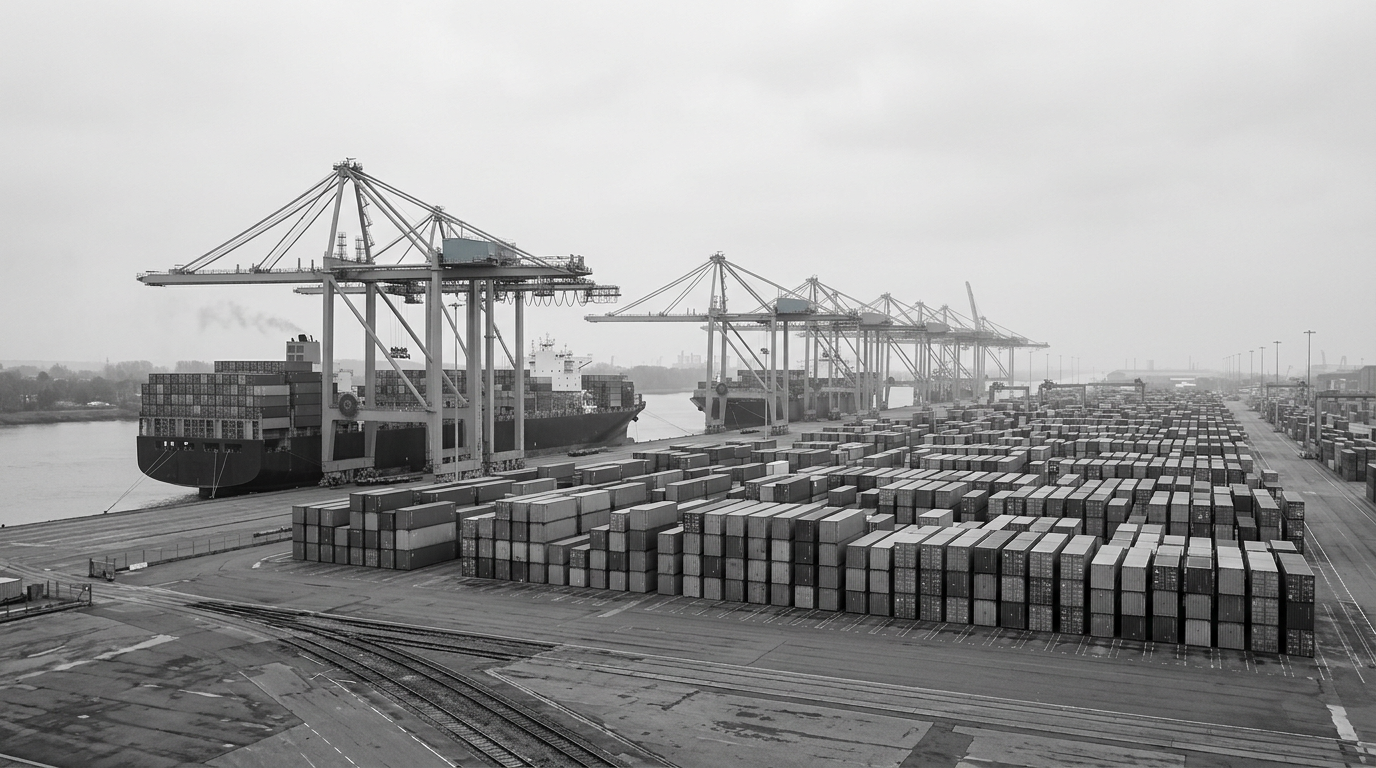
In his remarks, Banga framed the warning as a reminder that geopolitical shocks can quickly transmit into the global economy. He pointed to the way shipping interruptions and energy-market strains can feed into prices and activity across borders, affecting economies beyond the immediate region. The World Bank’s assessment, as described in his comments, emphasized how closely global economic stability is tied to developments in geopolitics.
Banga also highlighted the World Bank’s policy focus in response to the tougher environment. He said the institution is committed to supporting job growth as a strategic approach to countering the pressures associated with higher inflation and slower growth. He added that the World Bank is advocating for policies aimed at boosting employment and reducing the negative effects of the current global economic climate.
The warning comes as international financial institutions and national governments prepare for discussions at the IMF-World Bank Spring Meetings, where global conditions and policy priorities are typically reviewed. Banga’s estimates were presented as a forward-looking assessment tied to the conflict-driven disruptions he described, rather than as a broader set of new forecasts.
Key uncertainties remain centered on how shipping and energy markets evolve amid the ongoing conflict in Iran, and how quickly those disruptions pass through to prices and output. Banga’s comments underscored that the scale of the inflation and growth effects depends on the persistence and intensity of the market disruptions he cited.