Indonesia Wildfires Spread Toxic Haze Across Southeast Asia, Exceeding WHO Limits
Wildfires in Indonesia, intensified by El Nino and industrial land use, are causing a regional health crisis as toxic haze spreads across Southeast Asia.
Lauren Collins ·
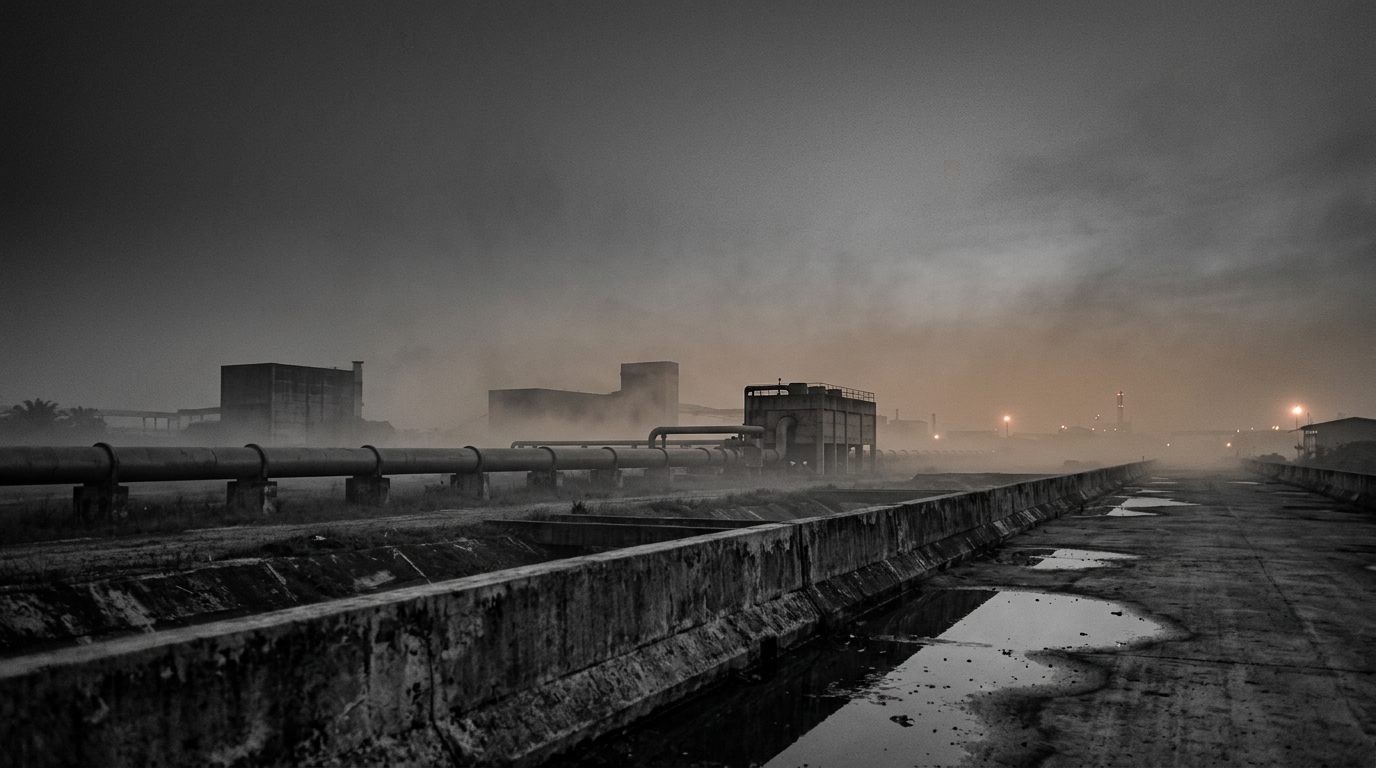
Wildfires burning across Indonesia since mid-July have generated a toxic haze now affecting Malaysia, Singapore, and the Philippines. The regional air pollution crisis, exacerbated by a severe El Nino weather pattern, has resulted in particulate levels exceeding World Health Organization guidelines by more than 15 times in affected areas.
The mechanism driving this crisis involves the intersection of drought-induced climate conditions and industrial land-use practices. Drained peatlands and large-scale plantation development have rendered ecosystems highly combustible. As these fires consume carbon-rich peat, they release significant emissions, creating a feedback loop that intensifies regional atmospheric degradation.
Public Health Consequences Mount Indonesia’s Health Ministry reported over 50 The public health consequences are immediate and widespread. Indonesia’s Health Ministry reported over 50,000 respiratory infection cases between July and August, including 12,000 children under five. Neighboring nations have documented rising incidences of asthma and conjunctivitis as smoke drifts across borders. Forensic experts warn that the situation may deteriorate further as the El Nino cycle reaches its peak in September. Projections suggest that if current conditions persist, the total area burned could reach 11 million hectares, mirroring the scale of the 1997-1998 wildfire season. Authorities remain in a critical phase of containment efforts as the dry season continues. El Nino Intensifies Drought Conditions The current El Nino weather phenomenon plays a crucial role in intensifying the drought conditions that fuel these fires. This climatic pattern reduces rainfall and increases temperatures, making landscapes more susceptible to ignition and accelerating the spread of existing blazes. Experts indicate that the ongoing cycle is particularly severe, contributing to the scale and duration of the haze crisis.
El Nino
Land-use changes, such as the conversion of forests and peatlands for agricultural and industrial expansion, also contribute to the heightened risk. These activities often involve draining peat soils, which, when dry, become highly flammable and release large quantities of carbon dioxide and other pollutants upon burning.
Regional Impact and Future Outlook
The economic repercussions of the haze extend beyond direct health costs. Disrupted air travel, reduced tourism, and decreased agricultural productivity are among the broader impacts felt across the region. Countries like Malaysia and Singapore have repeatedly raised concerns about the cross-border pollution, urging Indonesia to intensify prevention and mitigation efforts.
As the dry season continues, the potential for further escalation remains high. The peak of the El Nino cycle in September raises fears that the current wildfire season could become one of the most severe on record, potentially surpassing previous crises in terms of affected land area and public health burden.