California PFAS in Produce Sparks Pesticide Ban Debate
California produce PFAS residues were found in an EWG review this week, as lawmakers weigh a phased ban on PFAS in pesticides.
Ayla Demirhan ·
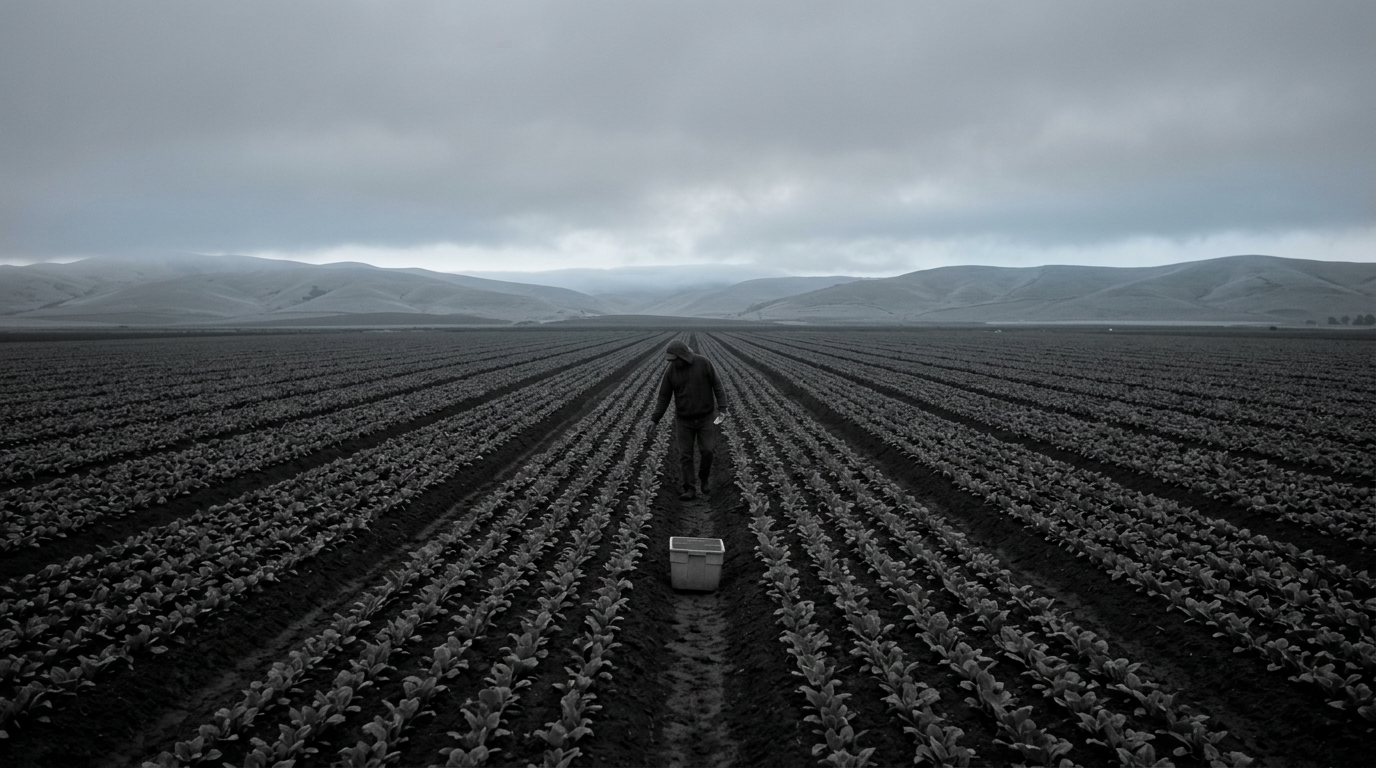
A new review released this week by the Environmental Working Group (EWG) says residues of PFAS—often called “forever chemicals”—appear across a significant share of conventionally grown produce in California.
The findings arrive as California lawmakers consider legislation that would restrict PFAS use in pesticides over the next decade, potentially reshaping parts of the state’s farm-input market.
What the analysis found
EWG said it analyzed California Department of Pesticide Regulation records and concluded that 37% of conventional California produce showed PFAS residues.
In crop-specific results highlighted by EWG, peaches, strawberries, and grapes were frequently flagged. The group said about 90% of peaches, plums, and nectarines, and roughly 80% of strawberries and grapes, had PFAS residues.
Scope and limits of the data
EWG reported reviewing 930 samples spanning 78 types of non-organic fruits and vegetables grown in California. It said 348 of those samples contained PFAS residues.
The source material does not specify which PFAS compounds were detected in each crop, the residue levels, or how results compare with organic produce. Those details are important for assessing exposure and compliance questions, but they are not provided in the analysis summary.
Policy response now moving in California
The proposed California bill would phase out PFAS used as active ingredients in pesticides by 2035. It would also set a 2030 deadline for 23 PFAS pesticides that are already banned in the European Union.
Beyond the phaseout dates, the legislation would pause approvals of new PFAS pesticides and require warning labels for farmers. The bill is described as facing possible opposition from industry, though specific groups and positions are not detailed in the source.
Why PFAS is a broader market issue
PFAS refers to a class of at least 16,000 compounds known for persisting in the environment. The source material links PFAS exposure to health issues including cancer and kidney disease, and advocates cited in the summary argue children are especially vulnerable.
The issue extends beyond food supply chains into water systems. The city of Fresno has filed a lawsuit against PFAS manufacturers, citing groundwater pollution that it says exceeds federal limits by 600%.
What happens next
California would not be the first state to act: Maine and Minnesota have enacted similar bans, according to the source. In California, Governor Gavin Newsom’s position on the pesticide proposal is not stated in the material, following his veto of an earlier PFAS-related bill focused on cookware.
For global markets, California’s scale in fruit and vegetable production means any shift in pesticide rules can influence input suppliers, compliance costs, and trade expectations for residue standards. However, the timing and final scope remain uncertain until the legislative process concludes.