Hospitality Faces Collapse as April Costs Skyrocket
UK hospitality survey flags 20% failure risk within 12 months as April 1 wage and business-rate increases add major cost pressure.
Atlas Newsdesk ·
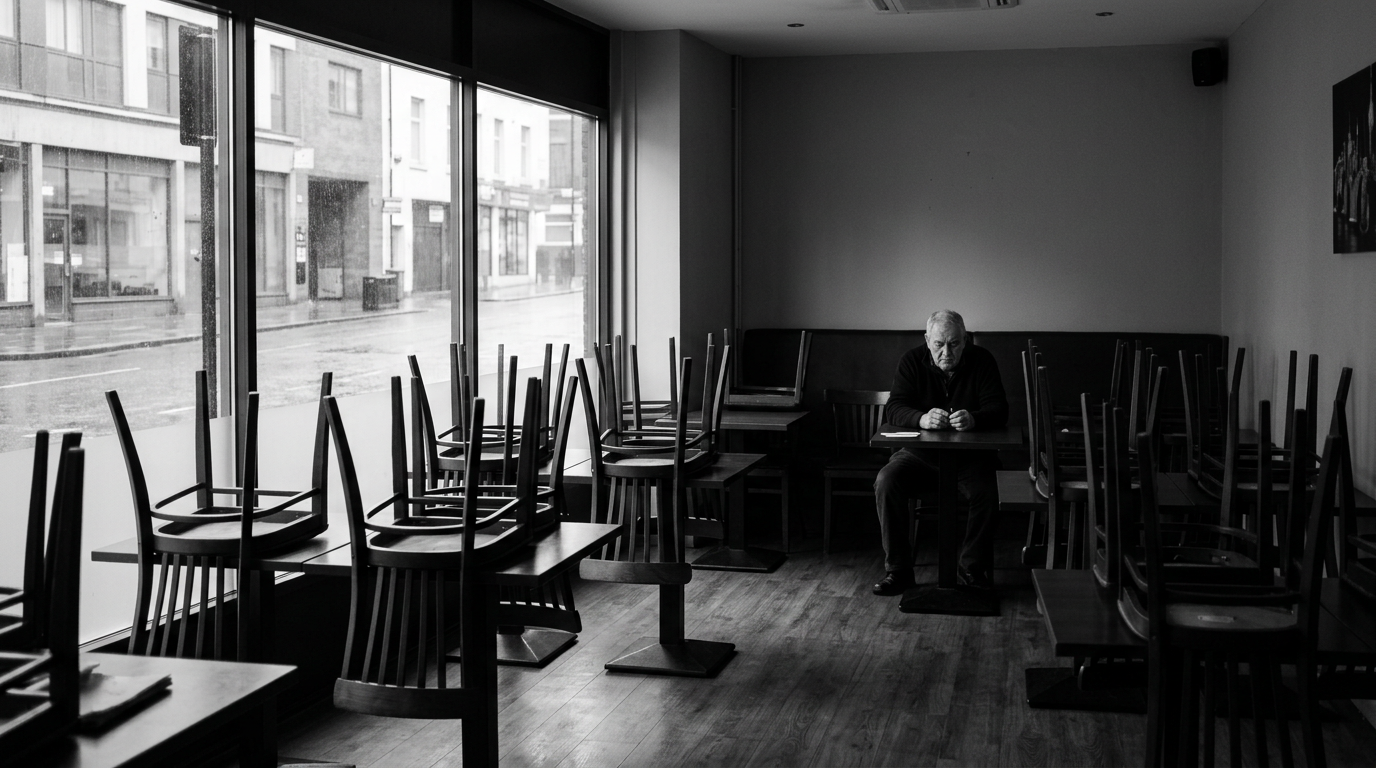
UK hospitality operators are bracing for a sharp rise in closures over the next year as new cost increases take effect from April 1. An industry survey found that 20% of businesses in the sector expect they may not survive the next 12 months, pointing to a steep deterioration in confidence.
The findings come just ahead of policy-driven increases that include higher business rates and higher wage floors. The survey was carried out by CGA by NIQ and drew responses from operators responsible for more than 20,000 venues across the UK.
What the survey shows
Beyond expectations of future failures, the survey indicates current financial strain. It found that 17% of hospitality businesses are trading at a loss, while 2% are already considered unviable.
Those figures suggest a sector where a meaningful share of operators are already struggling before the next round of cost increases arrives. The survey results are a single-source snapshot of sentiment and self-reported conditions, and the breakdown by region or subsector was not provided.
April 1 changes and the cost outlook
Industry groups say the April 1 changes will intensify pressure through both labour and property-related costs. UKHospitality has estimated that increases to the national living wage and national minimum wage will add £1.4 billion in costs for the sector.
For business rates, a sector-wide total was not given, but examples were cited for typical venues in England. The average hotel is projected to pay £28,900 more, described as a 30% increase, while the average restaurant is expected to face an additional £1,800, described as a 15% rise.
Policy context and partial relief
The cost increases were linked to measures set out in the November budget. The sector noted that some relief exists, including a 15% discount and a two-year freeze for pubs, but industry bodies argue the overall cost base remains too high.
UKHospitality, the British Beer and Pub Association, the British Institute of Innkeeping, and Hospitality Ulster said current operating costs are contributing to closures and job losses. They called for a significant reduction in the cost of doing business, framing it as necessary to support growth.
Why markets and policymakers are watching
Hospitality is labour-intensive, so wage and tax changes can quickly affect staffing, pricing, and investment decisions. If more venues close, the effects can extend to commercial landlords, suppliers, and local high streets, while also influencing employment conditions in service-heavy regions.
Key uncertainties remain, including how much of the higher cost base businesses can offset through price increases, productivity changes, or renegotiated rents. The survey signals elevated risk, but it does not quantify how many closures will occur or how outcomes may differ between pubs, restaurants, and hotels.