DC Region Under Tornado Watch Amid Severe Weather
The D.C. region, including parts of West Virginia and North Carolina, was under a tornado watch on March 16, 2026, due to severe storms.
Ayla Demirhan ·
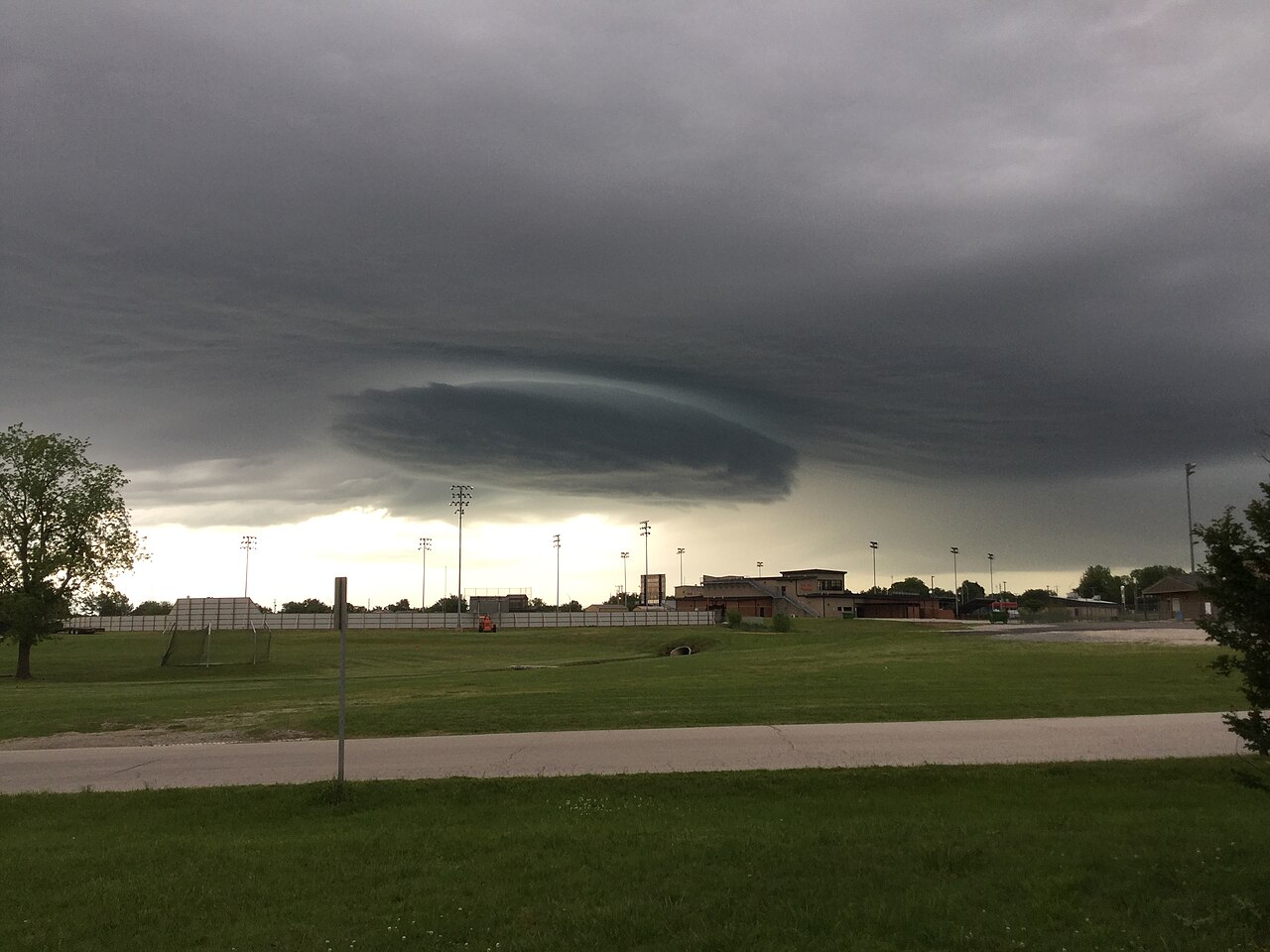
The Washington D.C. metropolitan area, alongside sections of West Virginia and North Carolina, was placed under a tornado watch until 7 p.m. on Monday, March 16, 2026. This alert from the National Weather Service signals a significant threat of severe storms, including the potential for isolated tornadoes across the region.
Federal government offices and numerous school systems implemented early closures in response to the hazardous conditions. The weather system is characterized by high wind speeds and intense rainfall, leading to widespread disruptions.
Severe Weather Conditions
Forecasts indicated wind gusts could reach between 65 and 75 miles per hour. Additionally, rainfall rates were projected to be substantial, ranging from 3 to 5 inches per hour, contributing to localized flooding across the affected areas.
Thousands of homes experienced power outages as a direct consequence of the severe weather. The combination of strong winds and heavy precipitation posed immediate challenges to infrastructure and daily routines.
Elevated Risk Assessment
The National Weather Service's Storm Prediction Center assessed the region as having a moderate risk for severe storms. This classification, a Level 4 out of 5, is an uncommon designation for the D.C. metropolitan area, highlighting the unusual intensity of the weather event.
Multiple severe thunderstorm warnings were also active across various counties in Maryland and Virginia. Meteorologists urged residents to maintain vigilance throughout the evening, anticipating the possibility of additional tornado developments.
Historical Context of Severe Weather
While tornadoes are less frequent in the immediate D.C. area compared to other parts of the United States, the region is not immune to severe weather events. Historical data indicates that strong thunderstorms capable of producing damaging winds and flash floods occur annually, particularly during spring and summer months. The current Level 4 risk underscores a heightened threat beyond typical seasonal patterns.
Previous severe weather incidents have demonstrated the vulnerability of the region's infrastructure to high winds and heavy rainfall. Power grids, transportation networks, and communication systems can be significantly impacted, leading to prolonged recovery efforts. Local emergency services routinely prepare for such events, coordinating responses for potential evacuations, rescue operations, and utility restoration.
Community Preparedness and Response
Local authorities and emergency management agencies activated their protocols in anticipation of the severe weather. Public advisories emphasized the importance of having emergency kits, staying informed through official channels, and seeking shelter in designated safe areas. The early closure of schools and government facilities aimed to minimize commuter exposure to dangerous conditions and allow residents to prepare.
This event serves as a reminder of the dynamic nature of weather patterns and the necessity for robust preparedness measures in densely populated urban and suburban environments. The coordinated response from various agencies is crucial in mitigating potential damage and ensuring public safety during such high-impact weather phenomena.
Implications
Country Impact: The event highlights the increasing frequency and intensity of severe weather across the U.S., prompting a reevaluation of infrastructure resilience and emergency preparedness strategies at a national level.
Industry Impact: Utility companies face significant operational challenges due to power outages, requiring rapid deployment of repair crews and potentially impacting energy supply chains. Insurance sectors may see increased claims related to property damage.
Market Impact: Local businesses and transportation services experience immediate disruptions, leading to temporary economic slowdowns. Supply chains for essential goods could be briefly affected by road closures and logistical challenges.