BWI Flights Disrupted by Air Traffic Control Odor
A chemical odor at the Potomac Air Traffic Control Center on Friday, March 13, 2026, caused significant flight disruptions at BWI and nearby airports.
Ayla Demirhan ·
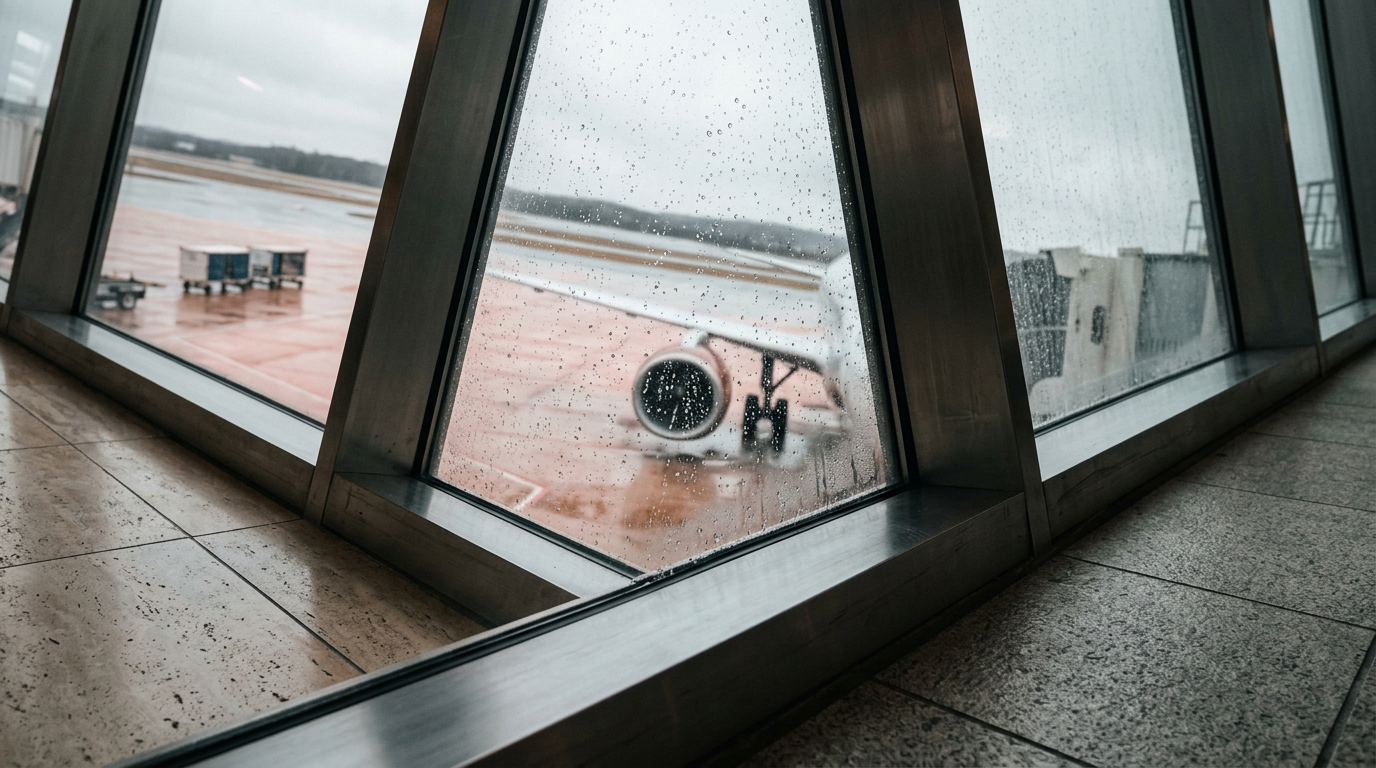
Air travel operations at Baltimore-Washington International Thurgood Marshall Airport (BWI) and several nearby facilities experienced significant disruptions on Friday, March 13, 2026. A ground stop was initiated following reports of a chemical odor at the Potomac Air Traffic Control Center in New Baltimore, Virginia. This incident led to the evacuation of more than 30 Federal Aviation Administration (FAA) employees from the facility.
The disruption commenced in the late afternoon, prompting a rapid response from hazardous materials teams. Fire officials from Fairfax County, Virginia, were dispatched to the FAA center to investigate the source of the reported chemical smell. Initial concerns focused on a potential chemical spill within the facility.
Investigation Reveals Source of Odor
Subsequent investigations by emergency services determined that the odor did not stem from a hazardous chemical leak. Instead, the source was identified as a malfunctioning building monitor. This particular monitor had recently undergone maintenance by a contractor, suggesting a potential link between the recent servicing and its subsequent malfunction.
All FAA personnel who had been evacuated received on-site medical assessments. Following these evaluations, they were cleared to resume their duties, indicating no serious health impacts from the exposure. The swift resolution of the health concern allowed for a gradual return to normal operations.
Operational Impact and Delays
The ground stop at BWI and surrounding airports was eventually lifted around 8 p.m. EDT on Friday. However, a ground delay program remained in effect for several more hours, extending until at least 12:59 a.m. on Saturday, March 14, 2026. This prolonged operational restriction resulted in substantial flight delays for numerous passengers.
Many travelers faced delays exceeding three hours, with the ripple effects of the disruption expected to continue throughout the night and into the following morning. Such incidents underscore the critical role of air traffic control centers in maintaining the fluidity of air travel and the cascading impact even minor operational issues can have on regional and national flight schedules.
The FAA regularly conducts safety checks and maintenance on its facilities to prevent such occurrences, highlighting the unusual nature of this particular malfunction.
Implications
Country Impact: The incident highlights the vulnerability of national air travel infrastructure to localized operational issues, potentially impacting economic activity and public confidence in air transport systems across the Mid-Atlantic region.
Industry Impact: Aviation and air traffic control industries face scrutiny regarding maintenance protocols and emergency response, emphasizing the need for robust systems to prevent and mitigate disruptions caused by equipment malfunctions.
Market Impact: While direct market impact is likely minimal, prolonged or frequent disruptions of this nature could indirectly affect airline stock performance and travel-related sectors due to passenger inconvenience and operational costs.