Mid-Atlantic Tornado Threat Prompts Severe Weather Alerts
The Mid-Atlantic, including Washington D.C., faces a rare severe tornado threat on Monday, prompting widespread weather alerts.
Ayla Demirhan ·
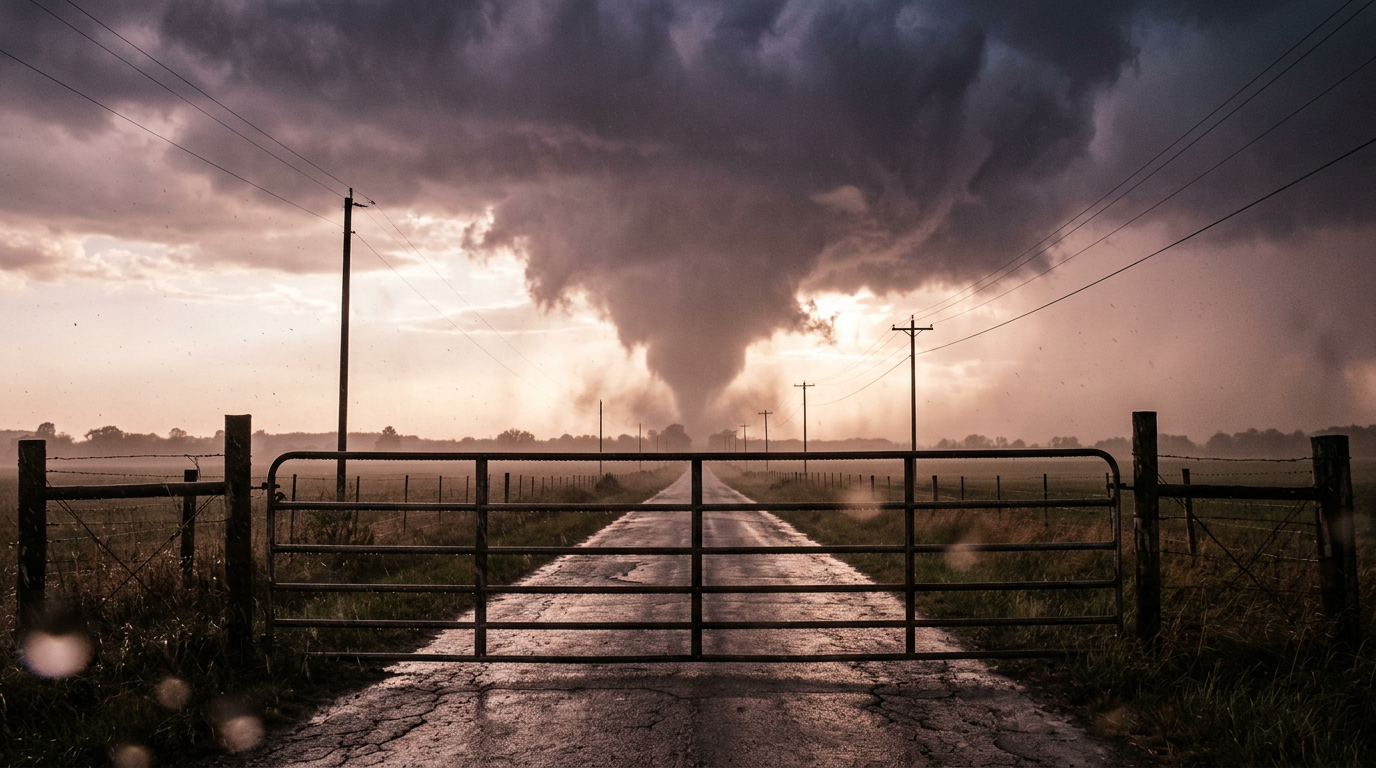
The Mid-Atlantic region, encompassing the Washington D.C. metropolitan area and parts of the Carolinas, is currently under a rare severe weather threat. Forecasters have issued warnings for potential damaging straight-line winds, large hail, and the possibility of multiple strong tornadoes throughout Monday. This atmospheric instability marks an unusual event for the area, which typically experiences a lower frequency of significant tornado activity compared to other U.S. regions.
Uncommon Meteorological Conditions
Specific meteorological patterns are contributing to the heightened risk. These conditions create an environment conducive to the rapid development of severe thunderstorms capable of producing tornadic activity. The confluence of warm, moist air and strong wind shear is a primary factor driving this severe weather outbreak.
Regional Impact and Preparedness
Residents across the affected zones are urged to remain vigilant and closely follow local weather advisories. The potential impacts extend beyond tornadoes to include widespread property damage from high winds and hail, as well as significant disruptions to daily routines and infrastructure. Emergency services are on standby, and local authorities have activated preparedness protocols.
Historical Context of Tornado Activity
The Mid-Atlantic generally records fewer tornadoes than states in the Great Plains or the Southeast. While isolated tornado events do occur, a widespread threat of this magnitude is less common. This makes the current situation particularly noteworthy for meteorologists and emergency management officials, who are emphasizing the importance of public awareness and safety measures.
Safety Recommendations for Residents
Authorities recommend that individuals in the path of these storms identify safe shelters, such as basements or interior rooms on the lowest floor of a sturdy building. It is also crucial to have multiple ways to receive weather alerts, including NOAA weather radios and local news broadcasts. Securing outdoor objects and having an emergency kit readily available are additional precautions advised for the duration of the threat.
Outlook for the Region
The severe weather is primarily concentrated on Monday, with conditions expected to gradually improve by Tuesday. However, the immediate focus remains on managing the current threat and ensuring public safety. Post-storm assessments will evaluate the extent of any damage and the effectiveness of preparedness measures.
Implications
Country Impact: The severe weather event in the Mid-Atlantic highlights the increasing unpredictability of weather patterns across the United States, potentially straining regional emergency response capabilities. It underscores the need for robust national weather forecasting and public alert systems.
Industry Impact: Insurance companies may face increased claims for property damage from wind and hail, potentially impacting quarterly earnings. Construction and infrastructure sectors could experience temporary disruptions due to storm-related damage and safety precautions.
Market Impact: Local businesses in affected areas may see temporary closures and reduced consumer activity, leading to short-term economic slowdowns. Supply chains could experience minor disruptions, particularly in transportation and logistics, as routes are affected by severe weather.