Hawaii Storm Causes Extensive Flooding, Power Outages
A powerful Kona storm hit Hawaii on March 15, 2026, causing extensive flash flooding, power outages for 35,000 customers, and infrastructure damage.
Ayla Demirhan ·
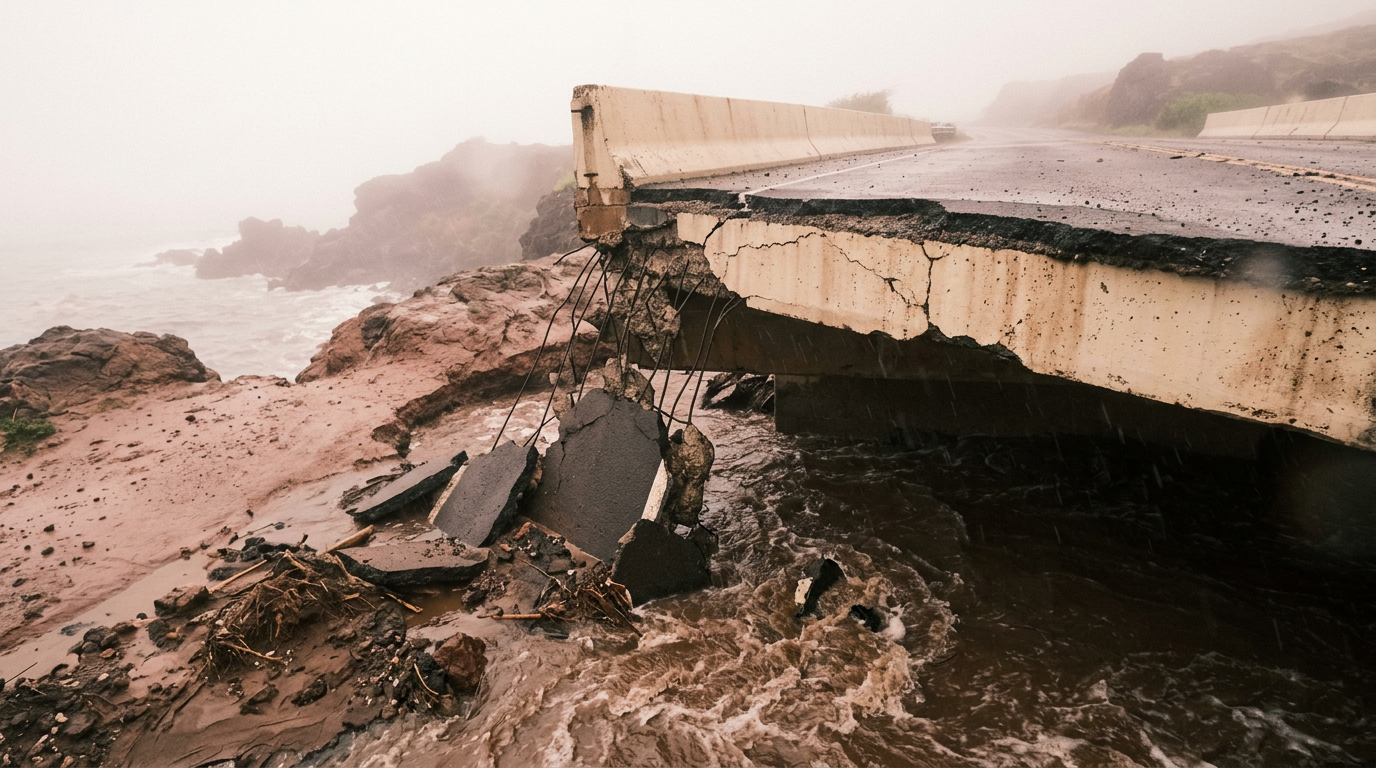
A powerful Kona storm brought widespread flash flooding, blizzard conditions, and landslides across Hawaii on Sunday, March 15, 2026. The severe weather event led to significant infrastructure damage and left over 35,000 electricity customers without power.
Maui, Molokai, and the Big Island were particularly affected, experiencing intense rainfall. Some regions on Maui recorded more than 20 inches (51 cm) of rain within a 24-hour period, with hourly rates reaching 1 to 2 inches (2.5 to 5 cm) across the affected islands.
Infrastructure Damage and Disruptions
The storm's impact included the collapse of roadways and the destruction of at least one residential property. These incidents highlight the vulnerability of island infrastructure to extreme weather phenomena.
Utility providers worked to restore electricity to the tens of thousands of affected homes and businesses. The widespread outages underscored the immediate challenges posed by the storm to daily life and essential services.
Ongoing Weather Advisories
Despite the most severe weather having subsided, flood watches and wind advisories remained active for Maui County and Hawaii Island through Sunday night. This indicated a continued risk of hazardous conditions, including potential for further flooding and strong winds.
Authorities advised residents to remain vigilant and adhere to local safety guidelines. The advisories aimed to prevent additional casualties or damage as the islands transitioned from the immediate storm impact to recovery efforts.
Context of Kona Storms
Kona storms, also known as Kona Lows, are a type of subtropical cyclone that typically form in the central Pacific. They are characterized by strong winds, heavy rainfall, and high surf, often impacting the Hawaiian Islands during the cooler months.
These weather systems derive their name from the Hawaiian word 'kona,' meaning leeward, as they often bring winds from the southwesterly direction, which is unusual for the islands. The heavy precipitation associated with Kona storms can lead to significant flooding and erosion, especially in mountainous regions.
Economic and Social Implications
The extensive damage to infrastructure, including roads and homes, will necessitate considerable repair and reconstruction efforts. This will likely incur significant costs for both local governments and affected residents.
Disruptions to power supply and transportation can also have broader economic consequences, affecting local businesses and tourism, a key industry for Hawaii. The social impact includes displacement of residents and the psychological toll of experiencing such severe natural disasters.
Future Preparedness
This event serves as a reminder of the importance of robust disaster preparedness and resilient infrastructure in regions prone to extreme weather. Ongoing climate change projections suggest an increase in the intensity of such events, making adaptation strategies crucial for island communities.
Implications
Country Impact: The widespread damage and power outages in Hawaii highlight the vulnerability of island states to extreme weather events, potentially prompting a review of national disaster preparedness and infrastructure resilience strategies.
Industry Impact: The tourism and construction sectors in Hawaii are likely to face immediate disruptions and increased demand for repair services. Utility companies will incur significant costs for restoring power and upgrading infrastructure.
Market Impact: Local Hawaiian markets may experience short-term economic contraction due to business closures and infrastructure damage. Insurance markets could see increased claims, potentially impacting premiums in disaster-prone regions.