Trump Calls for Senate Vote on Election Bill
Former President Trump urges Senate Republicans to pass the "Save America Act" voting bill, despite insufficient votes for its approval.
Lauren Collins ·
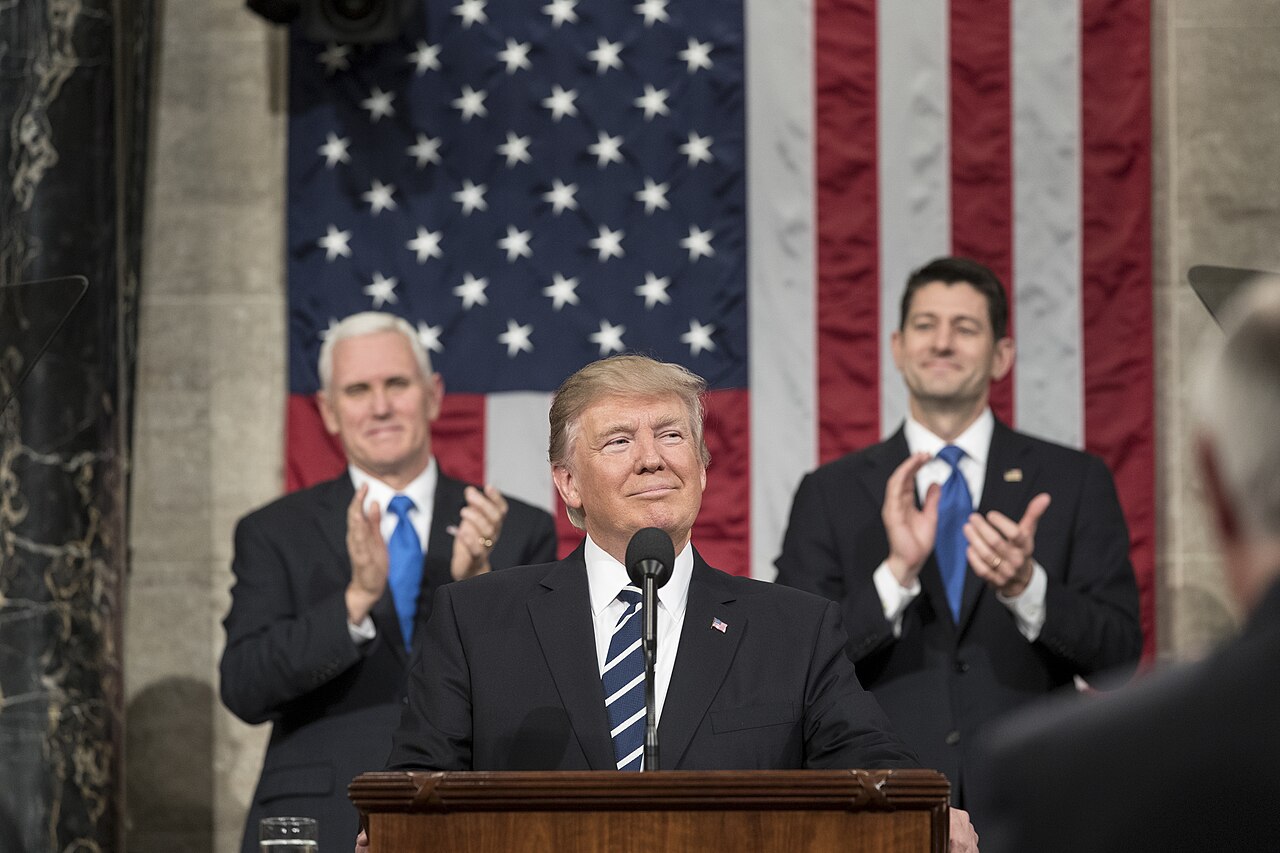
Former President Donald Trump has publicly called upon Republican senators to approve the "Save America Act," a proposed voting reform bill. This directive comes despite the acknowledged lack of sufficient votes required for its passage in the U.S. Senate. The legislation, which focuses on altering election procedures, aligns with the former president's continued emphasis on election integrity following the 2020 presidential contest.
Legislative Obstacles and Political Divisions
The proposed bill faces substantial opposition, indicating a clear absence of the bipartisan consensus typically necessary for significant legislative progress in the Senate. This situation underscores persistent disagreements within the Republican Party itself concerning the approach to election integrity measures and the broader legislative priorities. The current political landscape makes the bill's advancement highly improbable during the present legislative session.
Context of Election Reform Efforts
Efforts to reform voting laws have intensified across various states and at the federal level since the 2020 election. Proponents of such reforms often cite concerns about election security and fairness, while opponents frequently argue that these measures can restrict voter access. The "Save America Act" represents one such proposal within this broader national debate.
Historical Precedent and Future Implications
Historically, major electoral reforms in the United States have often required broad support to succeed, reflecting the fundamental nature of voting rights and processes. The current push for the "Save America Act" without bipartisan backing highlights the deep partisan divides that characterize contemporary American politics. This dynamic suggests that significant federal election reform remains a contentious issue with an uncertain path forward.
Impact on Republican Strategy
Trump's advocacy for the bill, even in the face of its likely failure, signals a continued focus on election-related issues within his political platform and among his supporters. This stance could influence Republican campaign strategies in upcoming elections, potentially shaping candidate selection and policy priorities. The emphasis on election integrity remains a key rallying point for a segment of the party's base.
Outlook for Federal Voting Legislation
The immediate prospects for the "Save America Act" or similar federal voting legislation appear limited due to the current political configuration in the Senate. Without a significant shift in bipartisan cooperation or a change in the legislative majority, such proposals are likely to remain stalled. The debate, however, is expected to continue, influencing state-level legislative efforts and future electoral cycles.
Implications
Country Impact: The push for the 'Save America Act' highlights deep partisan divisions within the U.S. political system, particularly regarding election reform. This ongoing debate could influence future electoral strategies and voter engagement at both federal and state levels.
Industry Impact: The legislative gridlock on election reform has limited direct industry-specific implications, but it contributes to overall political uncertainty. Businesses may face indirect impacts from shifts in regulatory environments or consumer confidence tied to political stability.
Market Impact: While the immediate market impact of this specific legislative push is minimal, persistent political polarization can contribute to broader market volatility. Investor sentiment can be affected by perceived governmental instability or policy uncertainty, particularly concerning fundamental democratic processes.