Iran Conflict: US Officials Offer Divergent Views
US officials offer divergent views on the Iran conflict's status, with President Trump claiming victory while Defense Secretary Hegseth warns of intense…
Lauren Collins ·
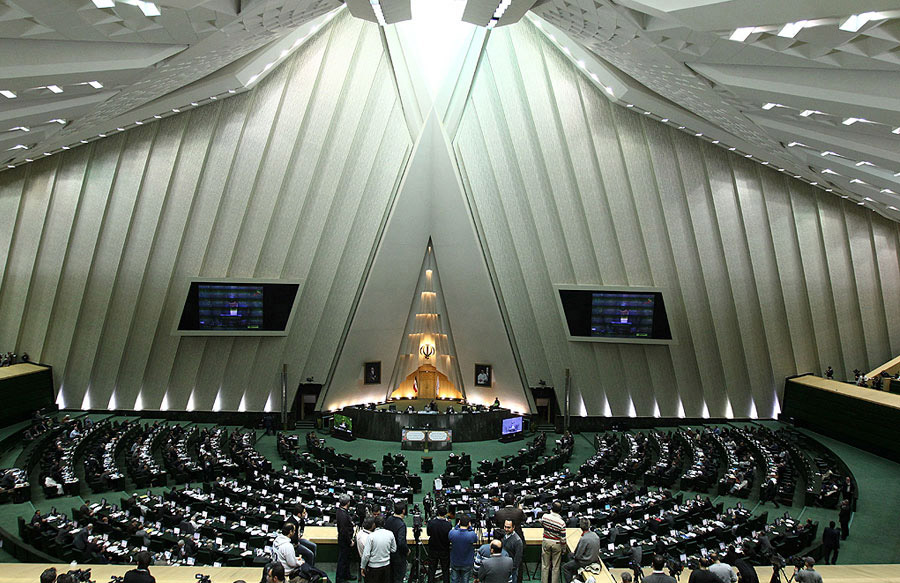
US President Donald Trump and Defense Secretary Pete Hegseth have presented contrasting perspectives on the status of the ongoing conflict in Iran, known as Operation Epic Fury. President Trump indicated on Monday that the United States had "pretty much" achieved victory, though he added that more was needed. This assessment diverged from Secretary Hegseth's statement, which anticipated Tuesday would feature the "most intense day of strikes yet" in the region.
The military operation commenced following the breakdown of indirect nuclear negotiations in Geneva. The conflict has intensified economic pressures and contributed to broader international instability, drawing significant attention from global allies, financial markets, and legislative bodies.
Diplomatic and Political Landscape
The potential for renewed diplomatic engagement remains a key discussion point. President Trump suggested that further talks are "possible," despite the recent appointment of Mojtaba Khamenei, a known hardliner, as Iran's Supreme Leader. This development complicates the prospects for a negotiated settlement, particularly concerning a nuclear agreement and a potential ceasefire.
Scenarios for Resolution
Several potential outcomes for the conflict are under consideration. One scenario involves a negotiated ceasefire coupled with a new nuclear deal, building on the possibility of renewed discussions. Another pathway frequently discussed is a US-supported change in leadership within Iran. However, analysts note significant differences between Iran's deeply entrenched political system and other nations where such interventions have occurred, such as Venezuela.
Internal Dynamics and Military Options
A popular uprising leading to a regime collapse is also a theoretical possibility, particularly following the death of Ayatollah Khamenei and recent protest movements. Despite these internal pressures, the Iranian opposition currently lacks a unified leadership structure, which could hinder such an outcome. Additionally, a more direct military option, specifically a special forces operation to neutralize or secure Iran's nuclear arsenal, continues to be a subject of strategic discussion.
Economic and Geopolitical Implications
The conflict's trajectory carries substantial implications for global energy markets and regional stability. Escalations or de-escalations directly influence oil prices and investor confidence. The ongoing situation also plays a role in the upcoming midterm elections in the United States, with lawmakers and the public closely monitoring developments and their broader geopolitical consequences.
International Scrutiny
International observers are closely monitoring the situation, assessing the potential for wider regional destabilization. The differing statements from US leadership underscore the complex and evolving nature of the conflict, making its resolution highly uncertain and subject to various internal and external pressures. The global community remains focused on how these dynamics will shape future diplomatic and security efforts.
Implications
Country Impact: The conflict exacerbates economic strain within Iran and contributes to political uncertainty, particularly following the appointment of a hardline Supreme Leader. The lack of unified opposition leadership complicates prospects for internal regime change.
Industry Impact: Global energy markets face continued volatility due to the conflict, with potential impacts on oil prices and supply chains. Defense and security industries may see increased activity and demand for related technologies.
Market Impact: Financial markets are reacting to the geopolitical instability, with investor confidence potentially affected by the divergent statements from US officials and the uncertain resolution of the conflict. Regional market stability remains a concern.