Smithsonian cultural initiative expands to 51 jurisdictions
Smithsonian and state humanities councils launch a 51-jurisdiction initiative to back community-led programs tied to the nation’s 250-year history.
Atlas Newsdesk ·
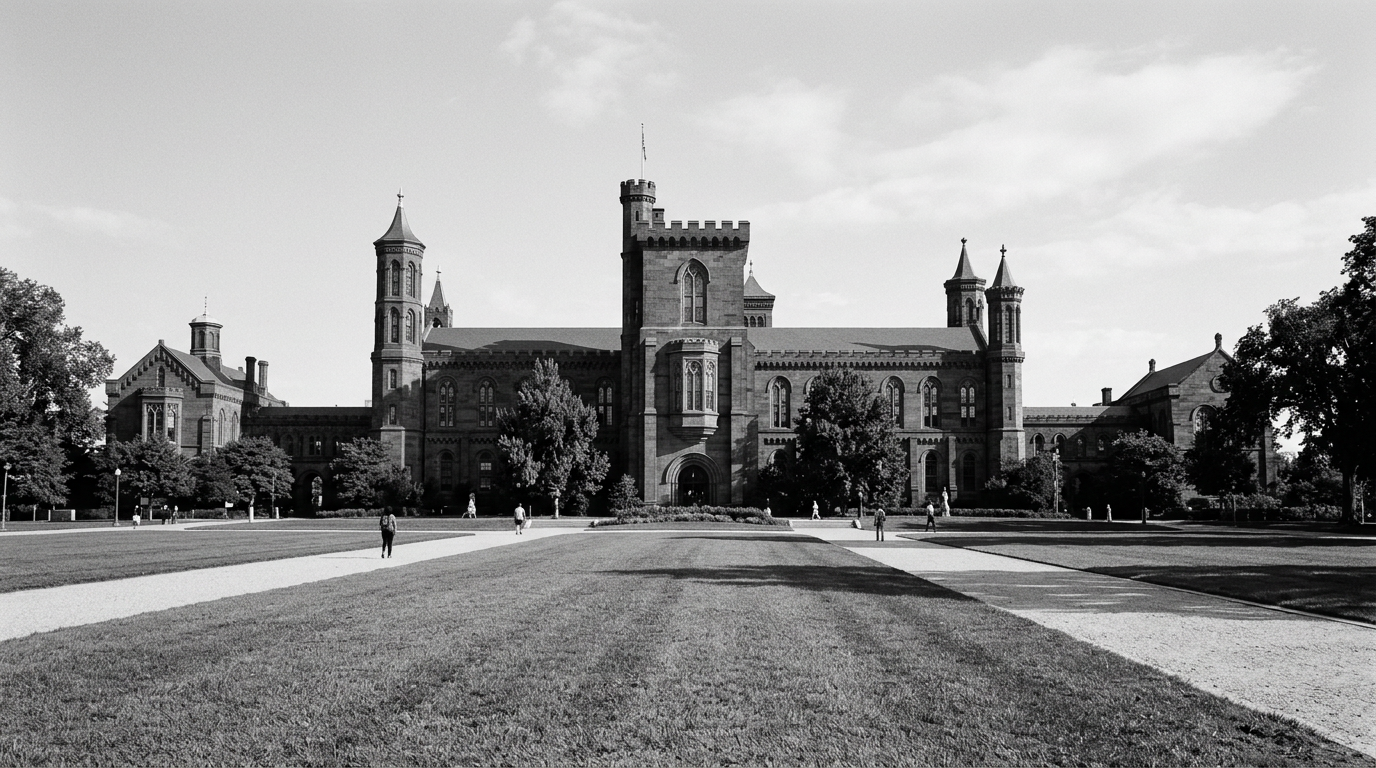
The Smithsonian Center for Folklife and Cultural Heritage has partnered with the Federation of State Humanities Councils to roll out a nationwide cultural initiative across 51 U.S. states and territories, organizers said. The project is intended to back community-led public programming linked to the nation’s 250-year history, while leaving major choices about content and format to local communities.
Officials said the collaboration is designed to pair a shared commemoration theme with activities shaped locally. Under the approach described by organizers, the Smithsonian will focus on coordination, while state and territorial humanities councils will lead engagement in their jurisdictions.
How the Smithsonian and councils plan to run the program Organizers called the initiative a first-of-its-kind collaboration between Organizers called the initiative a first-of-its-kind collaboration between the Smithsonian and the nationwide network of state humanities councils. They said it is being built as one shared project, but delivered through a decentralized model across participating jurisdictions. Officials said the structure is meant to keep a common framework in place while ensuring that decisions remain close to the communities taking part. The partners said plan is expected to look different from place to place, reflecting regional history, local culture, and priorities identified by residents. Using existing humanities council infrastructure Officials said implementation will rely on the established infrastructure of state-level humanities councils. They noted that councils are partially funded by Endowment for the Humanities and already run public-facing humanities programming within their jurisdictions.
The Smithsonian Center
Organizers said each participating council will retain autonomy over how it designs and operates its activities. The Smithsonian’s role, officials said, is centered on coordination rather than directing local program choices.
Local events set the tone for the commemoration
Engagements are expected to vary widely by location. Organizers said potential activities could span musical festivals and conferences that focus on policy themes, depending on what communities and councils decide to emphasize.
Officials said this variation is a core feature of the model, reflecting differences in local interests, institutional capacity, and what residents want highlighted. By leaning on local networks, they said the effort aims to connect national narratives to specific regional histories in ways that feel relevant to local audiences.
Participation goals and what remains undecided
Officials framed the partnership as a move to scale localized humanities work within a nationally recognized institutional framework. Organizers said the initiative is also designed to broaden participation among rural and underserved populations by drawing on councils’ experience with community outreach.
The partners said councils’ track records in managing public-private funding are expected to support outreach to audiences that may be harder to reach through more centralized cultural programming.
Several details remain open. Organizers said schedules, locations, and program specifics will be set by individual councils as planning advances, meaning the overall size and emphasis of activities may differ substantially across jurisdictions, including how programs balance cultural programming with civic-oriented formats.
Officials said the overarching is to offer a shared pathway for national commemoration while preserving regional autonomy, enabling 51 participating jurisdictions to reflect distinct histories and contemporary priorities through programs designed and delivered locally.