NYC Doormen Poised to Strike Amid Contract Deadlock
NYC doormen and other building workers vote Wednesday on strike authorization as talks stall ahead of a Monday contract deadline.
Ayla Demirhan ·
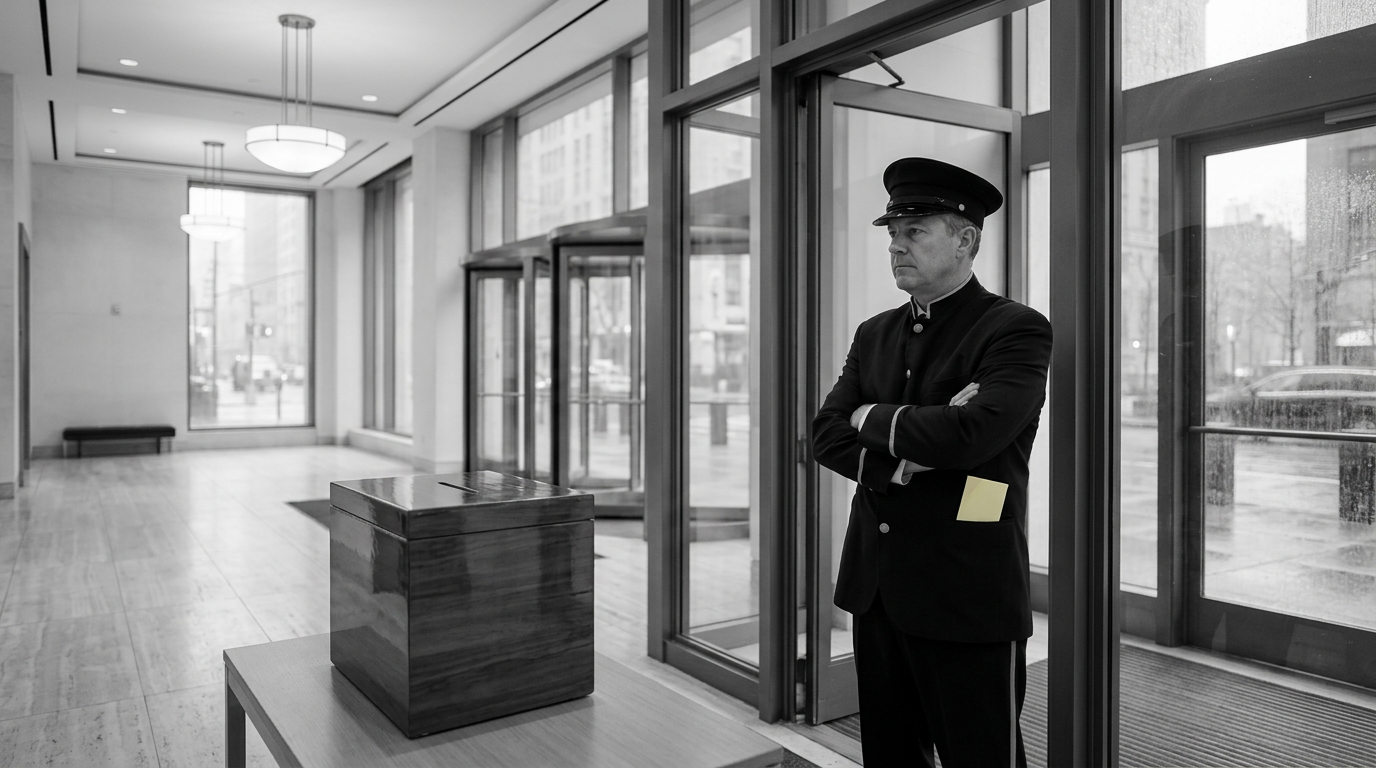
New York City residential building workers represented by Local 32BJ of the Service Employees International Union are set to vote on Wednesday on whether to authorize a strike, as contract talks with building owners remain unresolved. The current labor agreement is scheduled to expire on Monday, and both sides have indicated that major gaps persist on key terms, especially pay.
The bargaining dispute covers thousands of workers across the city, including doormen, porters, and superintendents. Union officials are seeking wage increases that they say are needed to keep up with New York City’s rising cost of living. If a strike were authorized and then carried out, it would be the first walkout by these workers in more than three decades, a step that could affect day-to-day building operations for residents.
Building owners are represented in negotiations by the Realty Advisory Board on Labor Relations (RAB). The RAB has proposed lower pay for newly hired employees and has also pushed to shift some healthcare costs to all workers. The owners’ group has pointed to inflationary pressures and the possibility of rent freezes on stabilized units as constraints on what it says it can offer in response to union demands.
Pay and benefits are central to the dispute. Building workers in these roles earn about $60,000 a year, according to the information provided, while owners estimate that healthcare and other benefits add roughly $50,000 per employee. With several bargaining sessions still scheduled before the Monday deadline, both parties have said disagreements remain significant, leaving the outcome uncertain as the expiration date approaches.
Operational planning is already underway in case talks fail. Building owners have begun preparing tenants for potential service interruptions, including changes such as residents handling trash disposal themselves and limits on deliveries. A strike could also disrupt routine services like garbage collection and mail delivery, affecting building logistics and resident expectations across many properties.
Past negotiations provide a reference point but not a guarantee. The parties have historically reached agreements close to the deadline, including in 2022 when a deal was reached one day before a threatened strike. The last strike by these workers took place in 1991 and lasted 12 days, underscoring both the rarity of a walkout and the potential for prolonged disruption if a stoppage occurs.