Third Hormuz tanker hit as Qatar blames Iran
Three tanker incidents in 24 hours have raised security risks on a core oil and LNG route through the Strait of Hormuz.
Mateo Fernandez ·
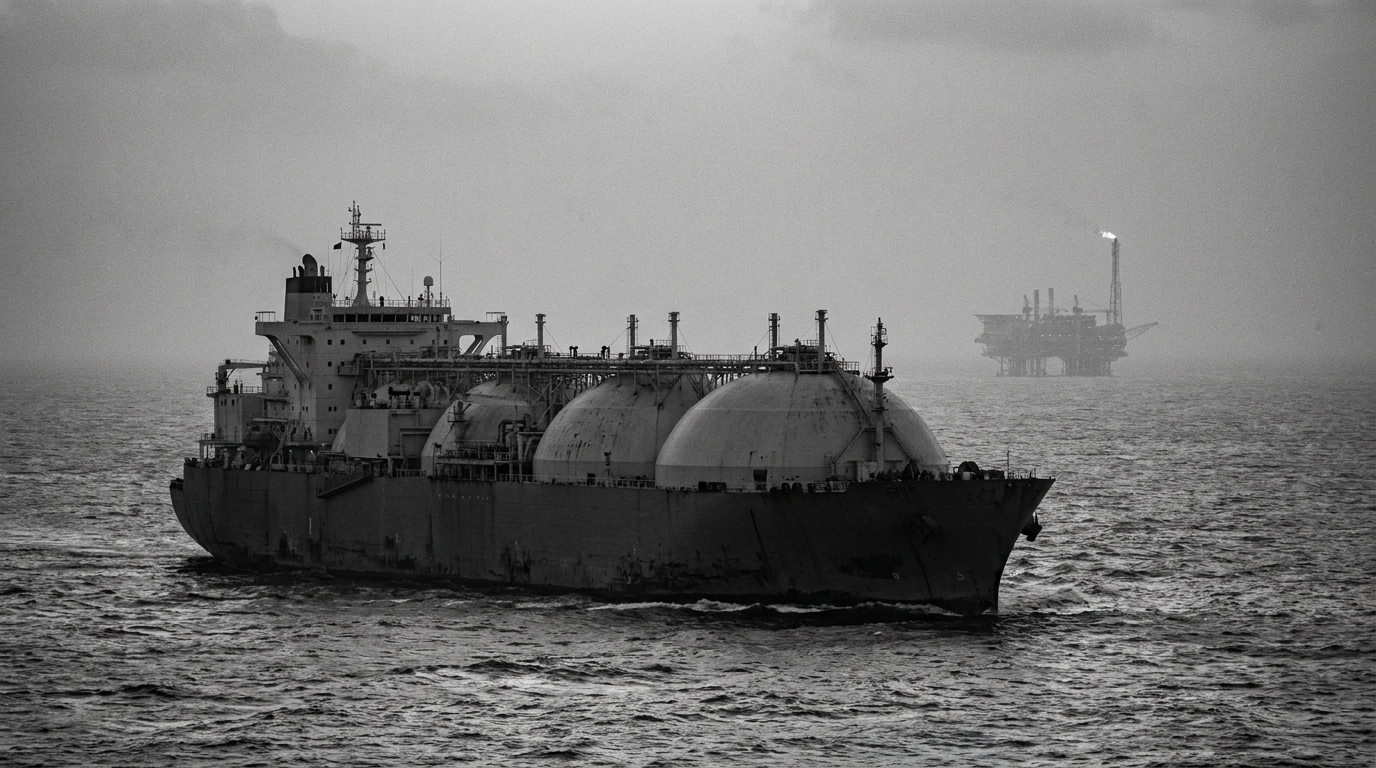
A third commercial tanker was hit in the Strait of Hormuz within 24 hours, maritime authorities reported Tuesday, escalating a security shock on one of the world’s most sensitive energy routes. Qatari officials blamed Iran for what they called an unacceptable attack on a liquefied natural gas vessel, raising the risk that the dispute spreads from shipping security into energy diplomacy.
The reported incidents put oil and LNG traders on alert because the strait links Gulf producers with global buyers. Any sustained threat to transit can force higher insurance costs, slower routing decisions and tighter scheduling for cargoes before physical supply is disrupted.
Hormuz attacks test LNG flows
Maritime authorities reported three tanker incidents in the 24-hour window, according to officials. The latest case drew a sharper political response because Qatar is a major LNG exporter and its cargo reliability is central to buyers in Asia and Europe.
The immediate risk is escalation by miscalculation. If ships continue to move through the channel without further strikes, the market impact may stay concentrated in risk premiums, freight costs and security measures. If attacks persist, buyers may seek backup cargoes, shipping companies may reassess voyages and governments may face pressure to expand naval monitoring.
For the global macro picture, the channel matters because energy costs feed inflation expectations, trade balances and central-bank assumptions. For Qatar, the key exposure is confidence in LNG delivery. For the wider energy sector, the pressure point is whether insurers, charterers and terminal operators price the route as temporarily risky or structurally more dangerous.
By July 8, 2026, the clearest signals will be fresh maritime incident notices, Qatari statements and any Iranian response.