US States Accelerate Nuclear Energy Policy
US states are enacting aggressive laws to expand nuclear energy capacity, meeting rising electricity demand from data centers and advanced manufacturing.
Atlas Newsdesk ·
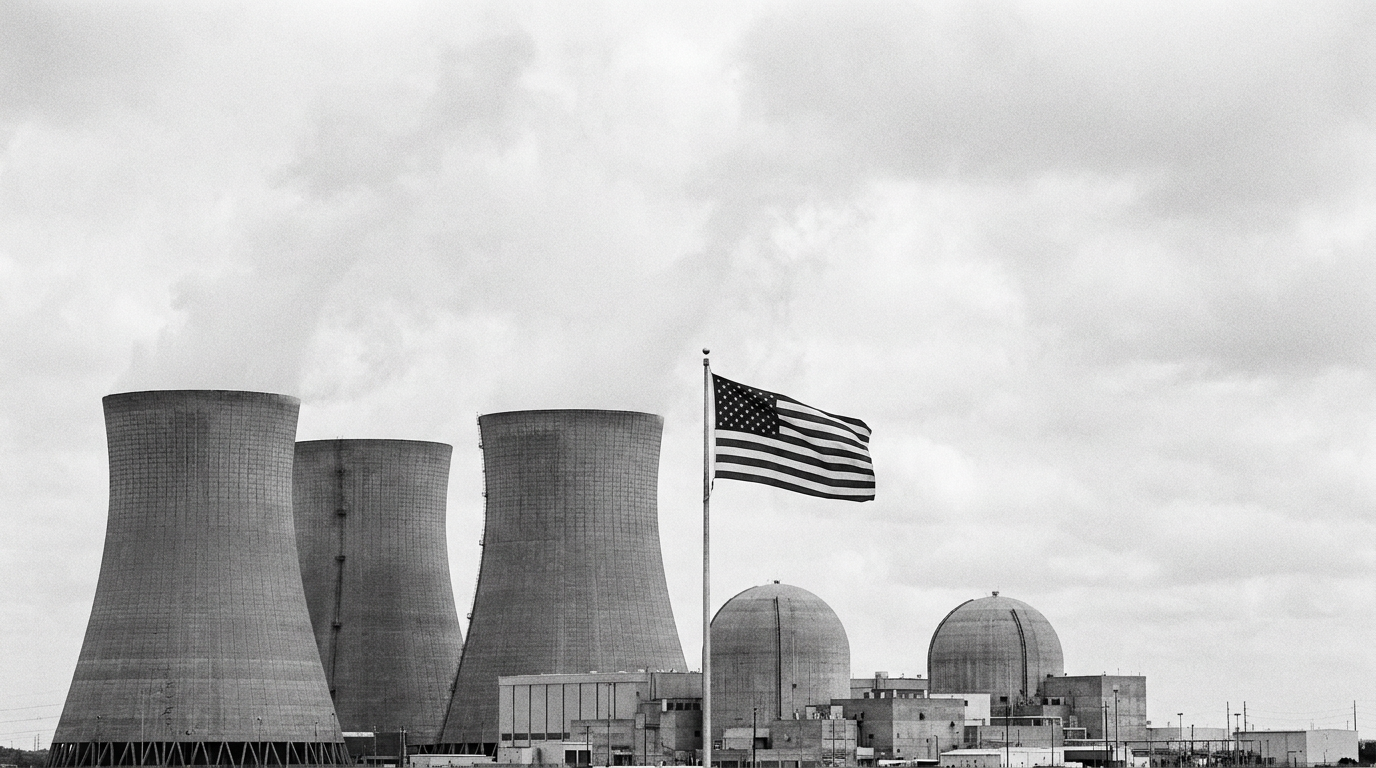
United States state legislatures are intensifying efforts to integrate nuclear power into regional energy grids to meet surging electricity demand from artificial intelligence and data centers. In 2025, 45 states introduced over 350 nuclear-related bills, resulting in 60 enacted laws aimed at streamlining deployment and securing supply chains. This legislative surge follows a similar trend in 2024, as states seek to capitalize on nuclear energy, which currently accounts for 19 percent of national electricity generation.
The shift is driven by the need for reliable, carbon-free power to support industrial electrification and hyperscale computing infrastructure. While the federal government maintains authority over radiological safety and reactor licensing, states hold critical jurisdiction over cost recovery, siting, and workforce development. Policymakers are increasingly utilizing financial incentives, such as construction work in progress authority and technology-inclusive clean energy standards, to mitigate the high capital risks associated with first-of-a-kind nuclear projects.
To ensure project viability, states are prioritizing expedited permitting and public engagement. Virginia’s recent regulatory overhaul, which reduced permitting times by 70 percent, serves as a model for other jurisdictions. Success in this sector now depends on the ability of state agencies to coordinate with private industry to identify suitable sites for co-location with large-scale energy off-takers, effectively bridging the gap between legislative intent and infrastructure execution.