Markets see oil prices rise after Hormuz tanker attacks
Oil prices rose after tanker and LNG carrier attacks near the Strait of Hormuz revived concern over shipping through the energy corridor.
Atlas Newsdesk ·
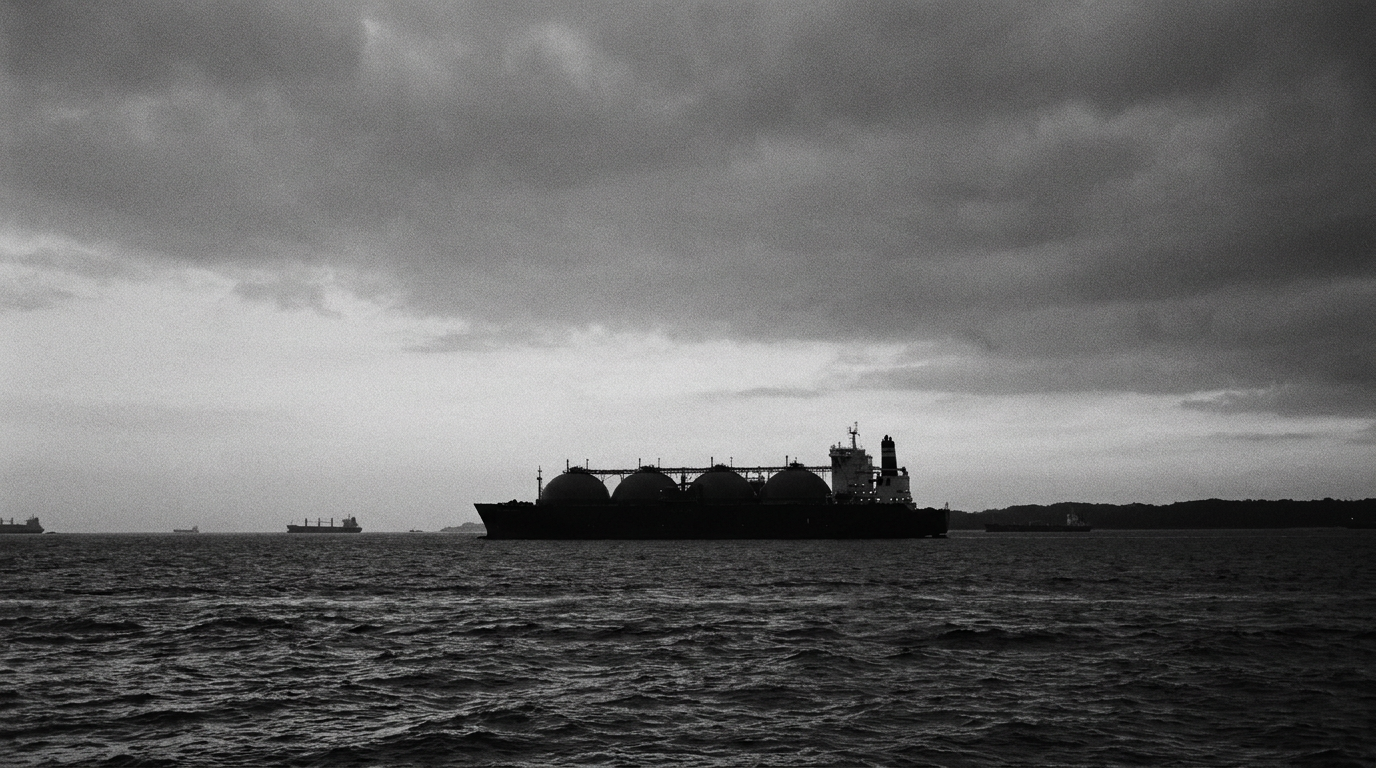
Oil prices edged higher after vessels near the Strait of Hormuz were struck, keeping a key energy route under market scrutiny.
Hormuz route draws fresh caution
The supplied market report put West Texas Intermediate close to $70 a barrel. The move was modest, but the trigger was concrete: multiple vessels reported damage in and around the waterway linking Gulf energy exporters with global buyers.
The Strait of Hormuz sits between Oman and Iran and is used by tankers moving Middle Eastern crude and liquefied natural gas to customers abroad. The source did not provide a verified volume share for the route, so the market reaction can be tied only to the reported incidents and the immediate shipping response.
Al Rekayyat exits under fire
The Qatari LNG carrier Al Rekayyat, described as laden, was struck with a projectile off Oman as it was leaving the waterway. Damage was also reported on a Saudi oil tanker, placing both gas and crude-linked cargoes in the risk frame.
The UK navy said another tanker in the area was hit during the morning in New York, according to the report. That sequence mattered for traders because one event can be treated as an isolated security case; several nearby cases can force shipowners, insurers and charterers to reassess voyages.
Shipowners test Oman coastline
A large shipping trade group said crossings through Hormuz could decline after the incidents, while adding that some owners would still accept the risk. On Tuesday, a group of vessels that included oil tankers appeared to be moving along a route close to Oman’s coast.
That behavior points to a market trying to manage exposure rather than abandon the route outright. If vessels keep sailing in convoys or tighter coastal lanes, cargo timing may stretch, insurance discussions may harden and freight pricing may absorb a security premium.
Energy traders price disruption risk
For oil markets, the issue is less the damage to any single vessel than the possibility that enough owners pause sailings to slow cargo flows. A delay in crude or LNG movement can tighten prompt supply, even before physical shortages appear at refineries or import terminals.
For Al Rekayyat and the Saudi tanker, the immediate questions are operational: the extent of damage, inspection results, crew safety and whether cargo delivery schedules change. For the wider tanker and LNG carrier sector, the incidents may raise war-risk premiums and encourage operators to coordinate transits.
Two paths for crude risk
If the attacks remain contained and convoys continue to pass, the global macro effect would likely be a contained risk premium rather than a sustained supply shock. In that scenario, WTI could remain sensitive to security headlines, Al Rekayyat and the Saudi tanker would face vessel-specific repair and scheduling issues, and the sector would adapt through routing, escorts and insurance terms.
If more vessels are hit or the shipping group’s warning turns into a measurable drop in Hormuz crossings, the mechanism changes. Higher transport risk could lift energy costs for importers, force the named vessels and their operators into longer disruptions once identified, and push the wider industry toward delayed loadings, tighter vessel availability and more expensive cover.
The open questions are precise: who launched the projectiles, how severe the damage is, whether authorities confirm safe transit arrangements and whether shipowners actually reduce crossings. Until those answers arrive, the market signal is caution rather than panic.