US Mint Redesigns Dime, Omits Olive Branch
The US Mint unveils new coin designs for 2026, notably removing the olive branch from the redesigned dime, sparking debate on national symbolism.
Lauren Collins ·
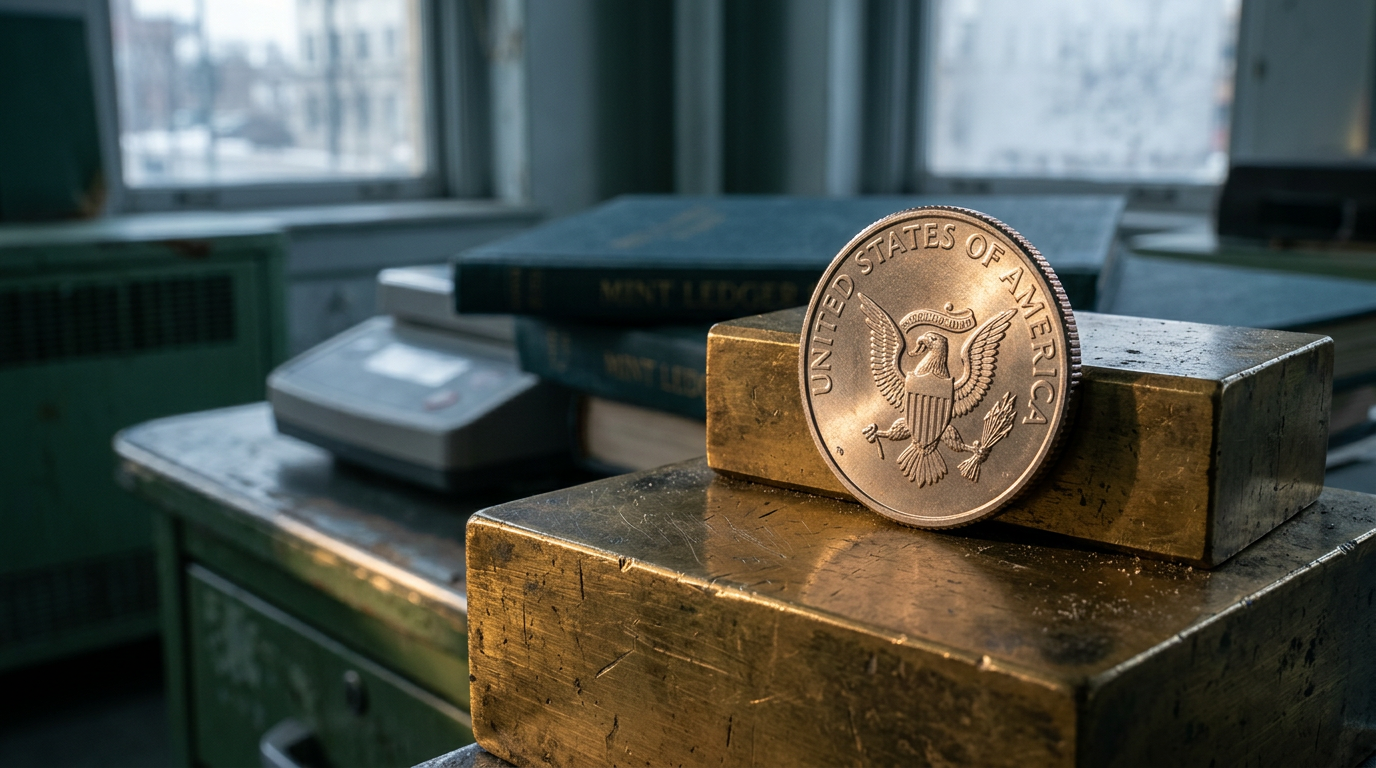
The United States Mint has introduced new coin designs for 2026, marking the nation's 250th anniversary. A significant alteration involves the dime, which will no longer feature an olive branch on its reverse side. This revision, mandated by congressional authorization, updates the Roosevelt dime design, which has been in circulation since 1946.
The redesigned dime now depicts a bald eagle grasping arrows in its left talon, with the space traditionally occupied by the olive branch in its right talon left empty. Below the eagle, the inscription "Liberty over Tyranny" is prominently displayed. This change is part of a broader initiative to refresh all U.S. coinage, including the penny, quarter, half dollar, and dollar coin, all dated 1776–2026.
Historical Symbolism of the Olive Branch
The omission of the olive branch diverges from a long-standing national symbol rooted in the 1782 Great Seal of the United States. The original seal features an eagle holding 13 arrows, symbolizing military readiness, in one talon and an olive branch, representing peace, in the other. Crucially, the eagle's head is turned towards the olive branch, signifying a national preference for peace over conflict.
Charles Thomson, who influenced the Great Seal's design, intended this imagery to convey the nation's commitment to peaceful resolutions while maintaining the capacity for defense. The olive branch has historically been a universal symbol of peace, dating back to ancient Greek and Roman traditions, and its inclusion on U.S. currency and seals has consistently reinforced this national ethos.
Redesign Process and Public Reception
The new coin designs underwent review and recommendation by both the Citizens Coinage Advisory Committee (CCAC) and the U.S. Commission of Fine Arts (CFA) before receiving final approval from the Secretary of the Treasury. Acting Mint Director Kristie McNally stated that the redesign aims to allow Americans to "hold 250 years of history in their hands," connecting citizens with the nation's milestone anniversary.
This redesigned dime will circulate for a single year. The decision to remove the olive branch has prompted various interpretations, with some observers viewing it as a symbolic shift in the nation's priorities or a reflection of contemporary geopolitical realities. The public discourse surrounding the change highlights the cultural significance attributed to national symbols on currency.
Broader Context of Coin Redesigns
Coin redesigns in the United States are not uncommon, often coinciding with significant anniversaries or to honor notable figures and events. For instance, the Roosevelt dime itself was introduced shortly after President Franklin D. Roosevelt's death in 1945, replacing the Mercury dime. Such changes typically aim to refresh national imagery and commemorate historical milestones.
The 250th-anniversary redesign provides an opportunity to reflect on national identity and values. While the Mint emphasizes the historical connection, the specific symbolic choices, such as the removal of the olive branch, invite public discussion about the messages conveyed through national iconography. The new coins will serve as tangible reminders of the nation's quarter-millennium mark.
Implications
Country Impact: The redesign sparks national discussion on symbolic representation and historical continuity, potentially influencing public perception of national values. It reflects a governmental decision on how to visually commemorate a significant anniversary.
Industry Impact: The U.S. Mint and associated coinage production industries will experience increased activity due to the widespread redesign and issuance of new currency. This also impacts numismatic markets with new collectible items.
Market Impact: While direct market impact on financial instruments is minimal, the symbolic changes could subtly influence national sentiment, which can indirectly affect consumer confidence or investment outlook in the long term. Collectible coin markets may see increased interest.