Oil Supply Squeezed as Hormuz Blockade Lifts Brent Prices
Global oil supply tightened after the April 13, 2026 Hormuz counter-blockade, lifting Brent to about $95 and cutting seaborne exports.
Lauren Collins ·
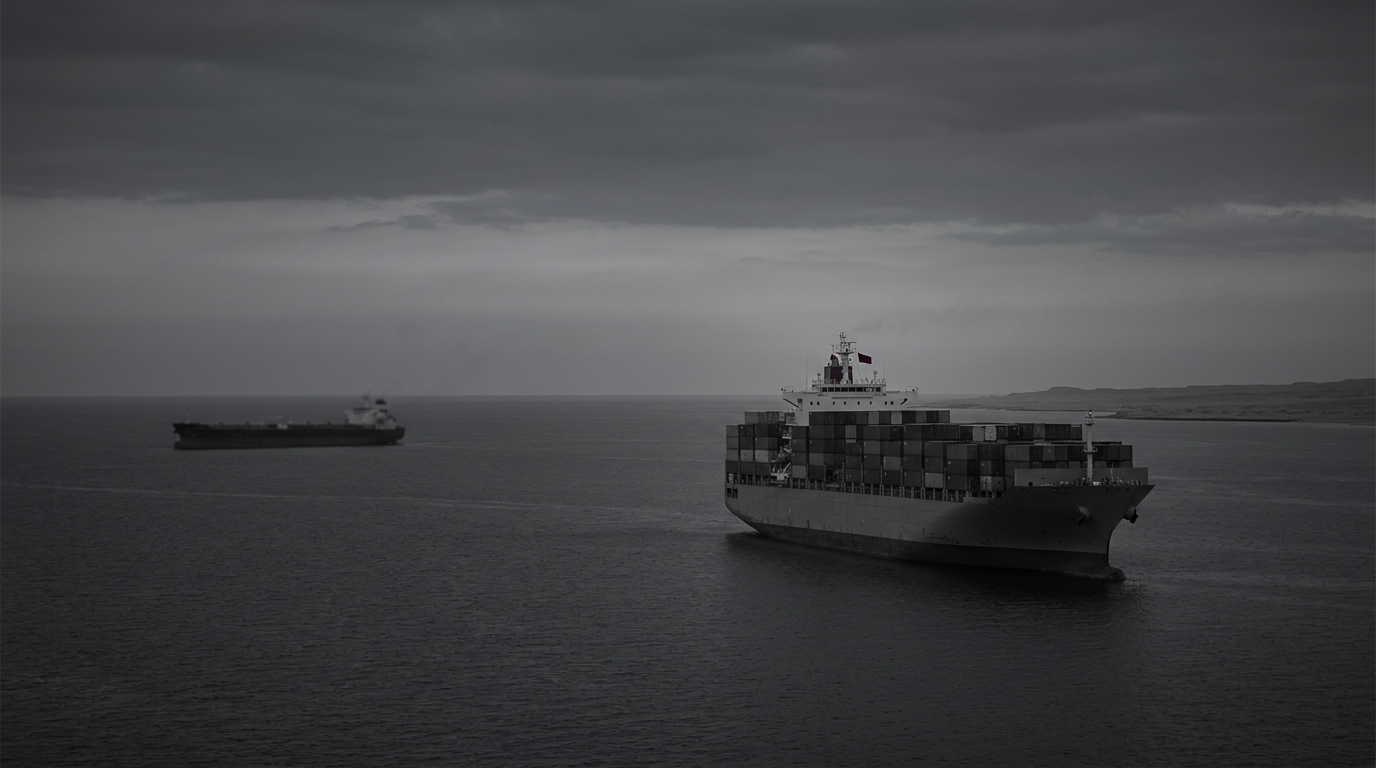
Global oil supply is under acute strain after a U.S. counter-blockade of the Strait of Hormuz began on April 13, 2026, in the context of the ongoing U.S.-Israeli conflict with Iran. Officials and market participants are now confronting a sharp reduction in crude availability alongside a rapid repricing of risk across energy markets.
The disruption has compounded existing production outages and pushed Brent crude from under $70 per barrel to about $95 per barrel. The source material describes the situation as a supply crisis with the potential to become sustained, and it warns the impact could exceed the 1973 oil embargo if constraints persist.
Measured in volumes, cumulative supply losses are estimated at 650 million barrels by the end of April. Daily production outages are described as exceeding 13 million barrels per day (bpd), with the U.S. blockade itself adding 1.3 million bpd of outages by removing Iranian crude from the market.
Trade flows have also weakened materially. Global seaborne crude and condensate exports fell by 6.9 million bpd in March versus the prior month, followed by a further 1.8 million bpd decline through April 20. In total, loadings are stated to be down 8.8 million bpd from pre-war levels, a path that could leave exports only marginally above levels seen during the COVID-19 pandemic in June 2020.
Policy responses discussed in the source include demand curtailment and rationing if the shortage becomes prolonged. The text also notes that releasing strategic oil inventories can provide near-term relief, but it creates a later requirement to rebuild stocks, which would add to future demand.
On replenishment needs, the source states that replacing lost production over a year would require an additional 1.8 million bpd beyond baseline demand. That framing underscores the challenge of restoring balance when the disruption is described as a physical constraint rather than a purely financial or sentiment-driven shock.
Risks remain open-ended. The crisis could intensify if the Strait of Hormuz stays closed into May, or if alternative export routes from the UAE and Saudi Arabia are disrupted. The source warns that such a scenario could affect 30% of global oil supply, compared with the current disruption described as 13% of global supply, implying a potentially larger hit to energy availability for import-dependent economies.
For global markets and governments, the immediate uncertainty is duration: how long the Strait remains constrained and whether additional routes face interruptions. The source concludes that because the disruption is physical, the recovery process is likely to be lengthy even if conditions improve.