

Japan Seeks Strategic Reassurance Following U.S.-China Summit
Japan is proactively managing diplomatic risks and public perception to ensure the U.S.-China summit does not signal a shift in U.S. commitment to the Japan-U.
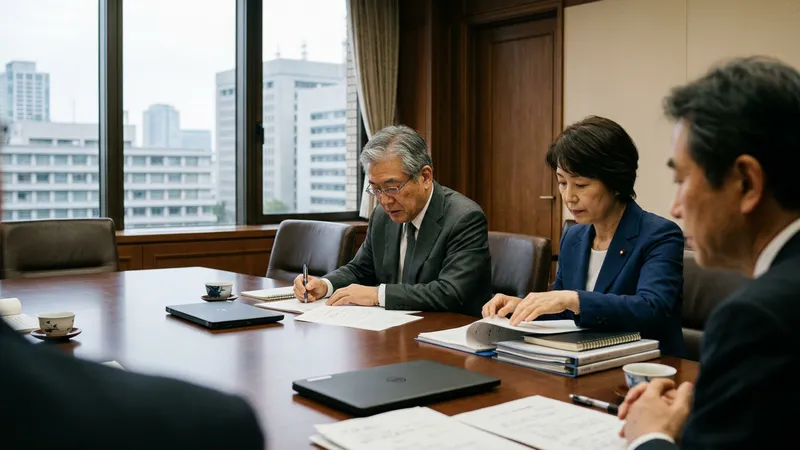
The Japanese government is actively managing domestic and international perceptions following the recent U.S.-China summit. Officials are concerned that unilateral U.S. negotiations with Beijing could undermine Japanese security interests or signal a shift in regional strategic priorities.
Tokyo has prioritized high-level diplomatic engagement to mitigate risks of a perceived "Nixon Shock," where major policy shifts occur without prior consultation. Prime Minister Takaichi Sanae held meetings with the U.S. president immediately preceding the summit to ensure alignment and secure assurances regarding the durability of the Japan-U.S. alliance.
Internal government communications emphasize that the U.S. maintains a competitive stance toward China, despite the recent diplomatic thaw. While bureaucratic cooperation between Washington and Tokyo remains stable, the Japanese administration is prioritizing public messaging to prevent the perception of being sidelined in regional security architecture. Historical precedents from the 1970s continue to influence Tokyo’s diplomatic strategy, driving efforts to ensure transparency in U.S. foreign policy decisions affecting East Asian stability.
More stories
- Investors weigh France debt as school protests intensify
- Riyadh airport faces 60% flight cancellations after strikes
- Saudi Arabia reports interceptions after airport deaths
- Alvarez keeps Oct. 31 Riyadh title fight on schedule
- Australia warns travelers after King Khalid airport strikes
- Ukraine says Russia hits Kyiv plant after Trump ceasefire claim
- India 2036 bond yield hits 7.3707% as RBI drains cash
- UK Prime Minister Alleges Russian Interference in 2016 Brexit Referendum
- Green Party of England and Wales Reverses Longstanding Nuclear Energy Opposition
- UK and Israel Face Diplomatic Crisis Over East Jerusalem Consulate Closure