Pentagon Shakeup Signals Major US Military Policy Pivot
The U.S. Department of Defense is implementing extensive leadership changes, following the Army Secretary's resignation, signaling a significant shift in…
Atlas Newsdesk ·
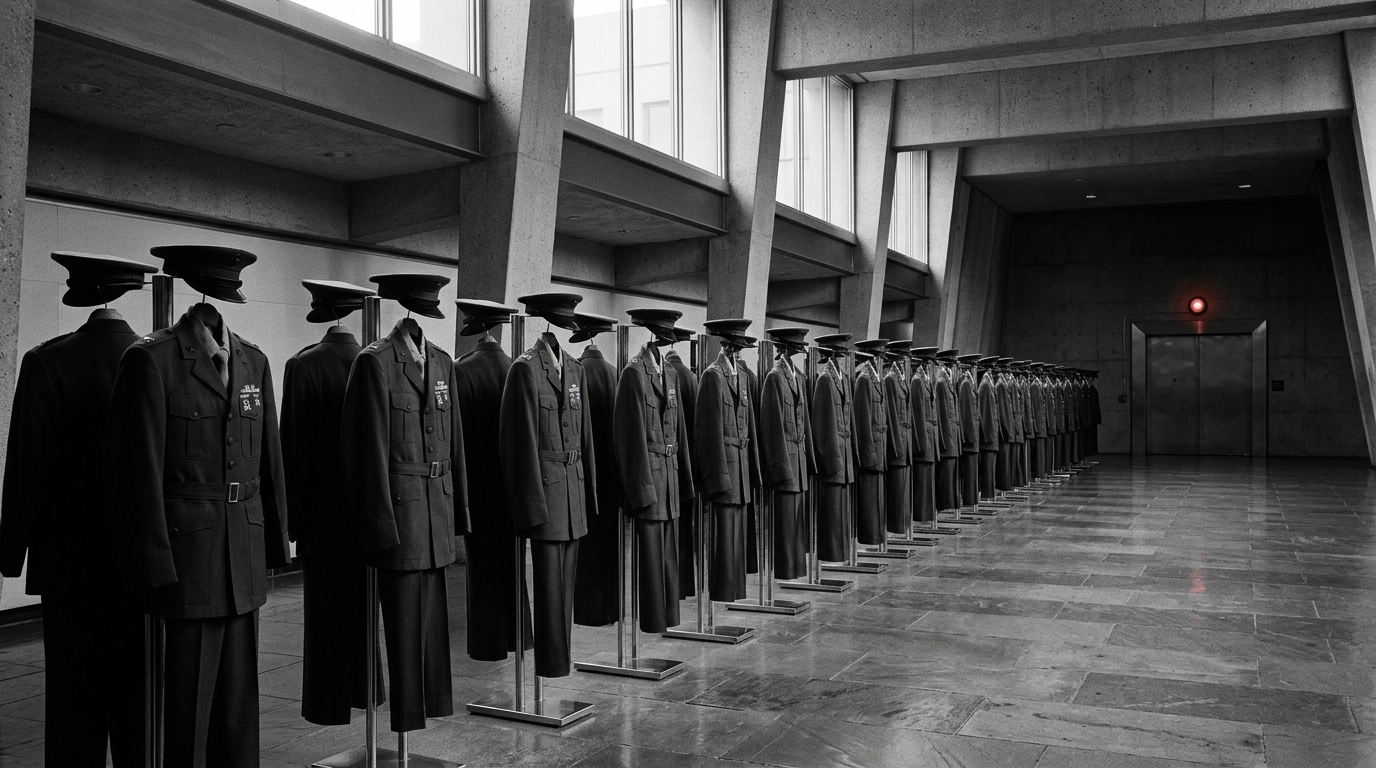
The United States Department of Defense is undergoing a significant and rapid transformation within its senior leadership ranks. These extensive changes follow the resignation of Army Secretary Daniel Driscoll on September 2, 2026. Defense Secretary Pete Hegseth initiated a broad series of high-level personnel shifts, affecting numerous three- and four-star generals, as well as members of the Joint Chiefs of Staff.
Reports indicate that Secretary Hegseth's actions are aligned with new administrative directives aimed at dismantling diversity, equity, and inclusion (DEI) programs across the armed forces. Officials familiar with these directives state that the current administration is systematically removing officers perceived to have been associated with previous policies, replacing them with leaders who prioritize military lethality and adherence to traditional institutional frameworks.
Widespread Personnel Shifts and Policy Reforms
The comprehensive leadership turnover has led to the removal of the heads of the Air Force, Navy, and Army. Several senior intelligence officials have also departed, signaling a widespread restructuring throughout both civilian and military command hierarchies at the Pentagon. Concurrently, the Department of Defense has been rebranded as the Department of War, a symbolic move reflecting a shift in its operational philosophy.
Further policy changes include new health mandates for service members. Among these is a requirement for all personnel over the age of 30 to undergo mandatory testosterone screenings. These collective reforms suggest a fundamental alteration in the military's established approaches to promotion, retention, and overall personnel management, according to defense analysts.
Concerns Over Readiness and Strategic Focus
The swift pace of these leadership changes has generated considerable criticism. Members of the Senate and other observers have voiced concerns that the rapid turnover of experienced commanders could potentially jeopardize institutional readiness. Critics argue that the current shifts risk replacing a merit- and performance-based system with one driven by political alignment, which could undermine the professional integrity of the armed forces.
This ongoing leadership overhaul and policy realignment indicate a deliberate effort to redefine the U.S. military's core values and operational priorities. The long-term implications of these extensive changes on military effectiveness, troop morale, and the nation's international standing remain subjects of considerable debate and scrutiny within policy circles and the public sphere.
Historical Context of Military Leadership Transitions
Transitions in military leadership are not uncommon during new administrations or significant policy shifts. Historically, incoming administrations often seek to align military leadership with their strategic visions.
However, the scope and speed of the current changes are notable, particularly the explicit link to policy directives concerning internal military programs and health mandates. The U.S.
military has periodically recalibrated its focus, from post-Cold War reductions to responses to global terrorism, each time influencing the composition of its senior command. This current overhaul appears to signal a pivot towards a more traditional and operationally focused ethos, moving away from recent emphasis on social programs within the services.