Strait Closure Risks Global Recession
A global recession is possible within weeks if the Strait of Hormuz remains closed, impacting global oil supply and economic stability.
Atlas Newsdesk ·
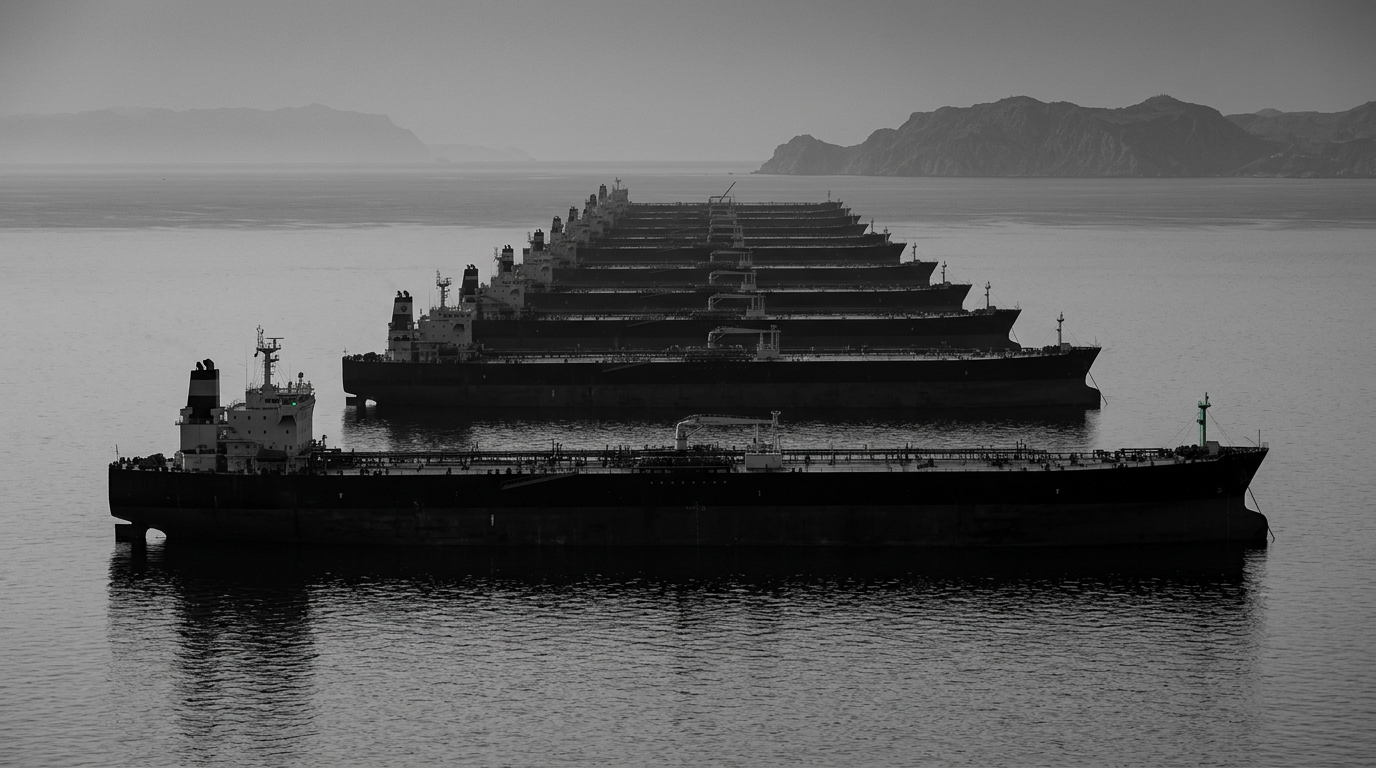
Strait Closure Threatens Global Recession A global recession could materialize within four to eight weeks if the Strait of Hormuz remains closed, according to economist Mohamed El-Erian, former CEO of Pimco. This assessment, made in late April 2026, highlights the critical impact of sustained disruptions to global oil supply on economic stability. The ongoing conflict in the Middle East has led to Iran threatening shipping through the Strait, a vital chokepoint for oil transit, causing sustained elevated oil prices and supply concerns.
The prolonged closure would significantly impact energy-dependent regions, particularly Europe and Asia, which are already experiencing heightened concerns over physical oil availability and rising prices for energy and other commodities. While the United States is relatively more insulated due to its energy independence, a global economic contraction would still affect its growth prospects.
Analysts note that the conflict's effect on oil prices has already negated the impact of recent consumer tax windfalls in the U.S., contributing to a fragile economic outlook.
The initial expectation of a swift resolution to the Middle East conflict has not materialized, with the standoff extending into its third month. This protracted situation has led investors to price in a longer conflict, pushing longer-dated oil futures to their highest levels since the conflict began. The sustained disruption poses a significant risk of a full economic contraction if the Strait of Hormuz is not reopened within the specified timeframe.