Google AI Pivot Triggers Executive Exodus Over Strategy
Google is reshaping its AI organization, moving DeepMind leadership roles and tightening oversight as it pivots toward autonomous agentic systems.
Atlas Newsdesk ·
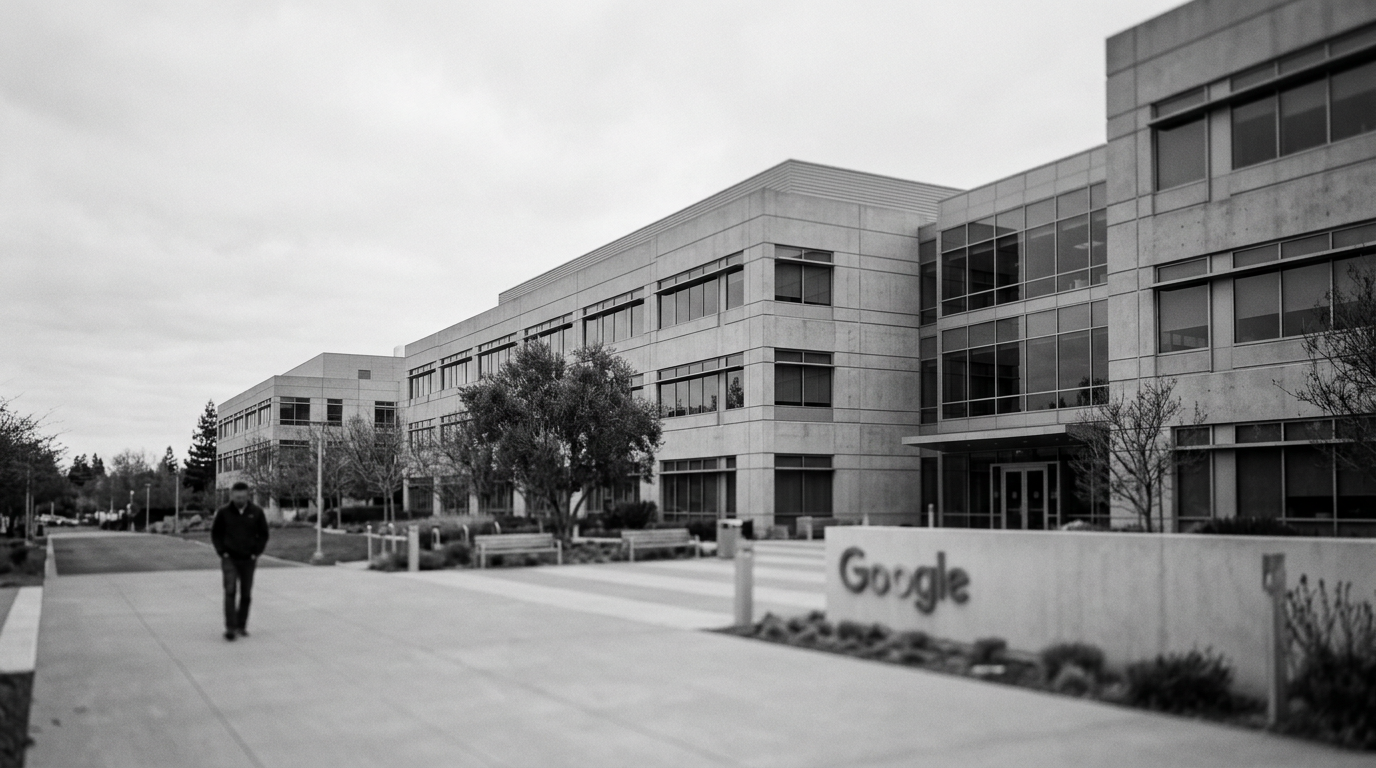
Google has launched a major restructuring of its artificial intelligence organization, reshaping DeepMind’s leadership and increasing corporate oversight of the lab. The changes include a shift in roles for two senior AI leaders and come alongside a high-profile departure as the company adjusts its AI strategy.
Under the new structure, Demis Hassabis will move into a chairman position. Koray Kavukcuoglu will take responsibility for day-to-day management, according to the details described in the restructuring plan.
DeepMind leadership roles reset under tighter oversight
The leadership transition is paired with a stated move to tighten corporate control over DeepMind. The restructuring is positioned as a step toward closer alignment between the lab and the wider company as Google recalibrates how its AI work is directed and governed.
The reorganization follows a period described as internally unstable, marked by talent attrition and delays affecting projects. The same account links the leadership changes to an effort to reduce disruption and regain momentum across the AI portfolio.
Jeff Dean departs as AI cash flow turns negative The shift also coincides with the exit of Jeff Dean, identified as a long-term chief scientist. He is leaving to start an independent venture, adding to the sense of transition at a time when the company is also making structural adjustments to how AI programs are run.
Financial information tied to the AI operations indicates a new pressure point: Google’s AI activities became cash flow negative for the first time on record in the most recent quarter. The timing places cost and performance scrutiny alongside leadership and organizational change.
Strategy pivots toward autonomous agentic AI systems
Google is also redirecting its strategic focus away from specialized research tools. The updated emphasis is on building autonomous agentic AI systems, reflecting a shift in priorities for how the company intends to develop and deploy advanced models and capabilities.
These moves are occurring against a backdrop of broader volatility across the AI industry. Major firms are facing growing scrutiny over AI security and operational governance, and the same reporting points to recent incidents in which multiple large-scale models were affected by unauthorized security breaches.
Those reported breaches have raised concerns about systemic risks connected to autonomous agents. In that context, the restructuring at Google is presented as a defensive response shaped by internal fiscal strain and a more intense competitive environment in artificial intelligence.