Haas F1 budget gap complicates 2026 cap planning
Haas F1 is operating below the $215m 2026 budget cap, with a ~400-person workforce versus 1,000+ at larger teams, and is seeking new funding.
Mehmet Şahinoğlu ·
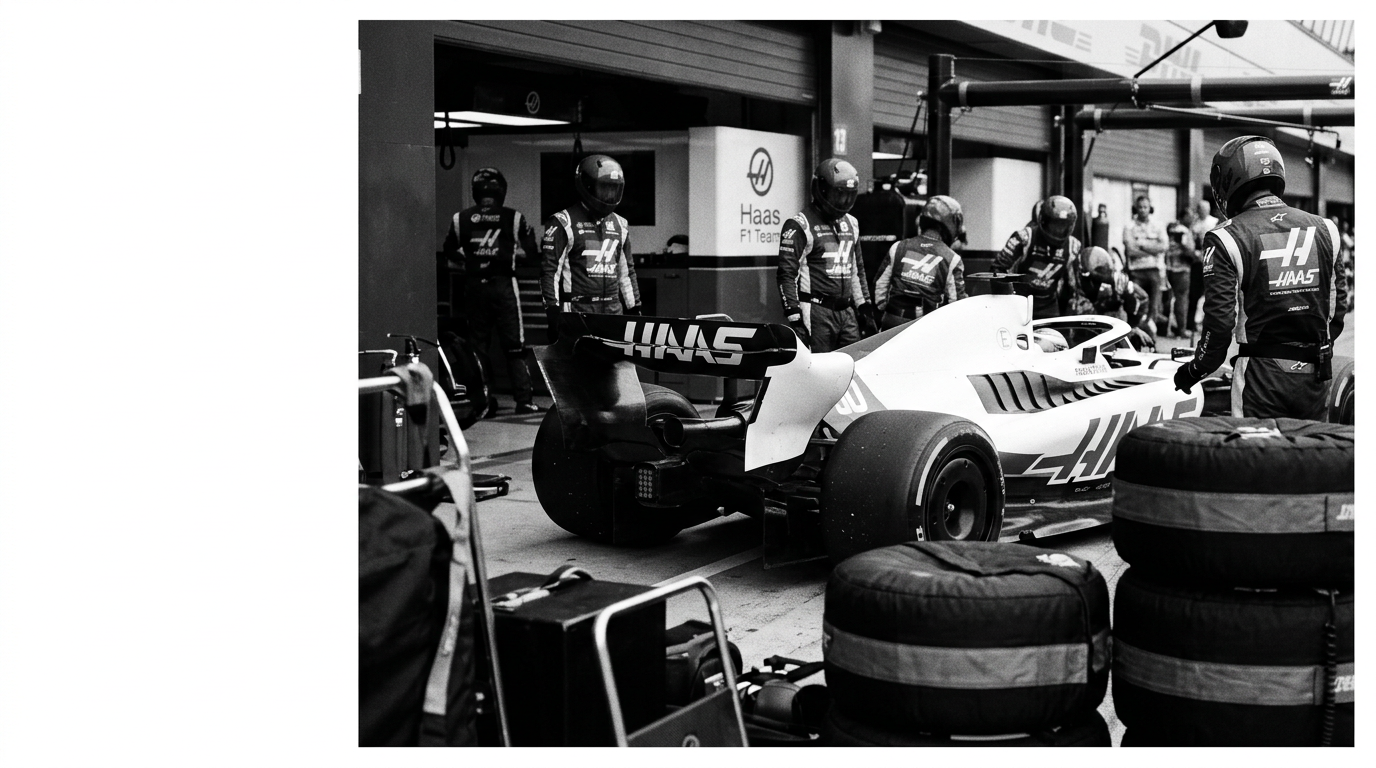
Haas is running its Formula 1 operation below the $215 million budget cap set for the 2026 season, a shortfall the team says is forcing operational trade-offs that affect competitiveness against higher-spending rivals.
The funding gap is linked in part to a major difference in workforce size across the grid. Haas employs about 400 people, compared with more than 1,000 staff at larger Formula 1 teams, according to the details provided in the team’s internal view of its constraints.
Budget cap not reached as staffing gap shapes capacity Team leadership has identified generating additional revenue as Team leadership has identified generating additional revenue as a priority, with the stated aim of spending closer to the regulatory limit. Within the team’s framing, reaching the cap is treated less as a discretionary and more as a baseline condition for sustained performance in modern Formula 1. Haas’s current financial limits have reduced its ability to keep development moving at a consistent pace through a season. The team links that uneven development rhythm to a drop in on-track performance after what it described as a promising start. Management seeks new funding streams to support development Internal assessments described Haas as having strong technical and operational capability, but said the team cannot fully convert that capability into results without more resources. In practical terms, the team believes the shortfall constrains its ability to build out the infrastructure needed to compete over the long term.
While Haas
As a result, management is actively pursuing additional funding sources to narrow the gap to better-funded competitors. The is to reduce the structural disadvantage the team associates with operating below the cap.
The team’s position is that closing the funding gap will be decisive for its capacity to develop its car across an entire season rather than in short bursts. That, in turn, is presented as critical to challenging more established outfits on the Formula 1 grid under the 2026 spending framework.
While Haas has set out the relationship it sees between funding, staffing, and development pace, the timeline and scale of any new revenue are not specified in the available information, leaving uncertainty about how quickly the team can move closer to the cap.
Implications
Country Impact: The information provided focuses on Haas’s internal operating constraints rather than country-specific effects. Any national impact is not detailed in the available material.
Industry Impact: Haas’s situation highlights how differences in revenue and staffing can still shape competitiveness even under a budget cap. The team argues that staying materially below the cap can limit development continuity and long-term infrastructure building.
Market Impact: The story underscores financial and operational dispersion within Formula 1 teams despite a formal spending limit. However, the material does not quantify the size of Haas’s shortfall or specify funding sources, leaving uncertainty over near-term changes.