UCI backs selective night-time anti-doping tests
UCI backs selective night-time anti-doping tests, giving the ITA authority to deter micro-dosing such as EPO that may evade detection within hours.
Mehmet Şahinoğlu ·
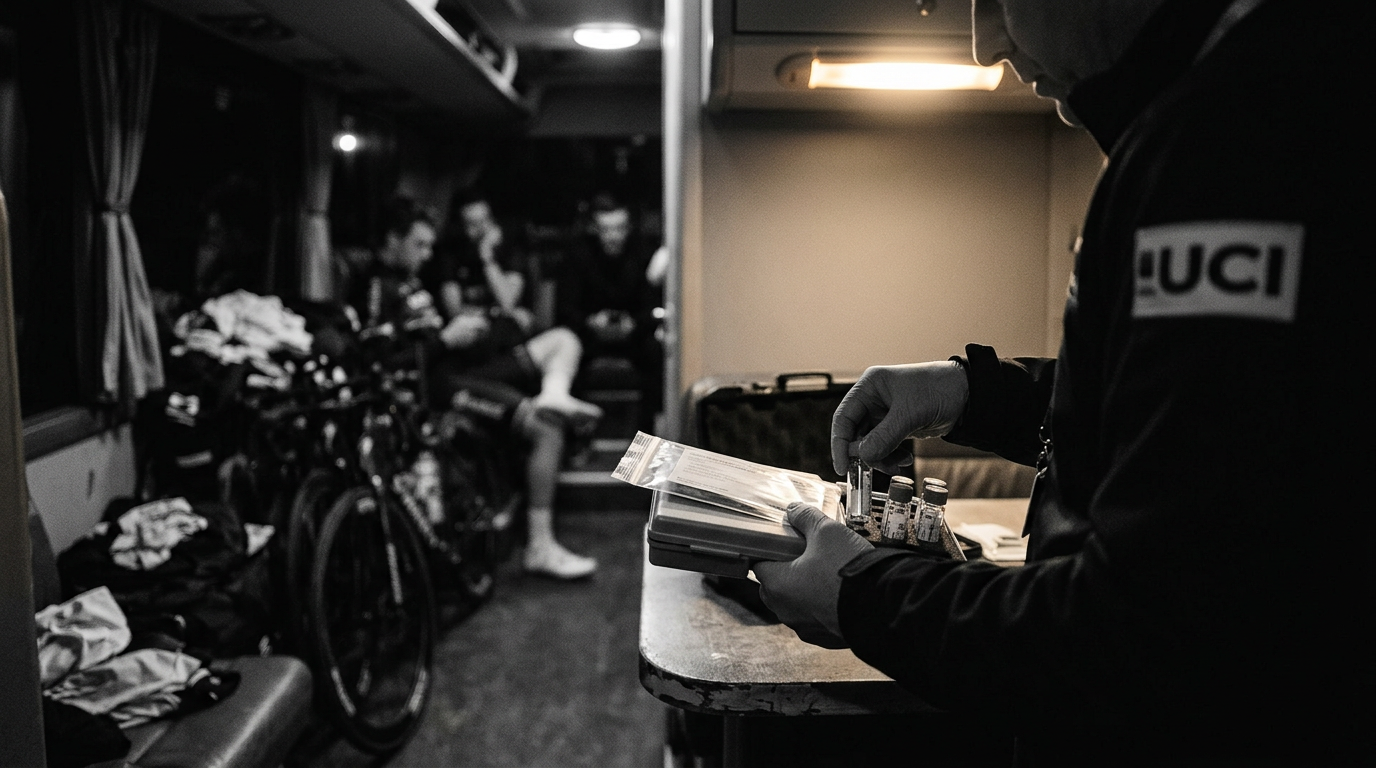
The Union Cycliste Internationale (UCI) has formally endorsed selective night-time anti-doping controls during professional cycling events, positioning the measure as a targeted tool against micro-dosing of banned substances.
Officials said the approach is designed to address practices involving performance-enhancing drugs such as EPO, which can become difficult to detect within hours of administration. The UCI described the move as part of its effort to protect sporting integrity and reinforce confidence in competition.
Night-time checks framed as exceptional, not routine Governance officials said night-time testing is intended to Governance officials said night-time testing is intended to be used only in exceptional circumstances rather than as a standard operating procedure. They presented the policy as a deterrent aimed at discouraging sophisticated doping methods that may be timed to avoid detection during typical testing windows. The UCI also linked the decision to persistent doubts that have surrounded professional cycling, noting that suspicion has continued in the sport, particularly following high-profile incidents referenced by officials. The organization said the policy is meant to strengthen trust without disrupting normal procedures except when justified. ITA keeps full control over how tests are carried out The International Testing Agency (ITA) retains full authority to decide when and how these specialized controls are conducted, officials said. The UCI stated it supports the ITA’s discretion in applying the measure as a rare, targeted option to uphold competitive fairness.
UCI leadership said transparency and ongoing consultation with UCI leadership said transparency and ongoing consultation with stakeholders remain central to its broader governance reforms. Officials framed the endorsement as consistent with the UCI’s stated focus on process clarity while ensuring anti-doping tools remain effective against evolving methods.
Lappartient cites micro-dosed EPO detection window
UCI President David Lappartient said “there will always be suspicion in cycling” because of the sport’s history. He confirmed UCI support for night-time testing in “exceptional cases,” and pointed to micro-dosed EPO as an example of a substance that can evade detection within six to seven hours.
Lappartient described the policy as a general deterrent rather than a mechanism aimed at any specific rider. He said the intention is to send “a global message to the bunch,” signaling that timing-based strategies to avoid controls may still be met with targeted checks.
Normal testing hours remain the baseline
Officials said standard testing hours will continue to be respected as the default approach. At the same time, the UCI emphasized that keeping the option of nocturnal testing available to the ITA is viewed as important for maintaining a clean and fair competitive environment.
An area of uncertainty remains how frequently the ITA will judge such measures necessary, given the UCI’s insistence that night-time testing should remain exceptional. The governing body’s position, however, is that the capability itself strengthens deterrence even when rarely used.
Implications
Country Impact: The UCI’s endorsement sets a uniform approach for events under its governance, reinforcing anti-doping expectations across professional cycling calendars. It also formalizes how exceptional measures may be used when standard testing is considered insufficient.
Industry Impact: For teams, riders, and event organizers, the policy underscores that anti-doping controls may extend beyond typical hours in rare cases, with the ITA holding operational authority. The UCI says it will continue transparency and stakeholder consultation as part of governance reforms.
Market Impact: By emphasizing deterrence against micro-dosing and affirming ITA discretion, the UCI aims to protect confidence in the fairness of competition. Officials presented the measure as supporting the integrity of the sport rather than targeting specific individuals.