Thames Water CEO labels industry regulator’s performance targets impossible to meet
Thames Water CEO Chris Weston says Ofwat leakage and pollution targets are unattainable as the utility seeks a creditor deal ahead of November.
Atlas Newsdesk ·
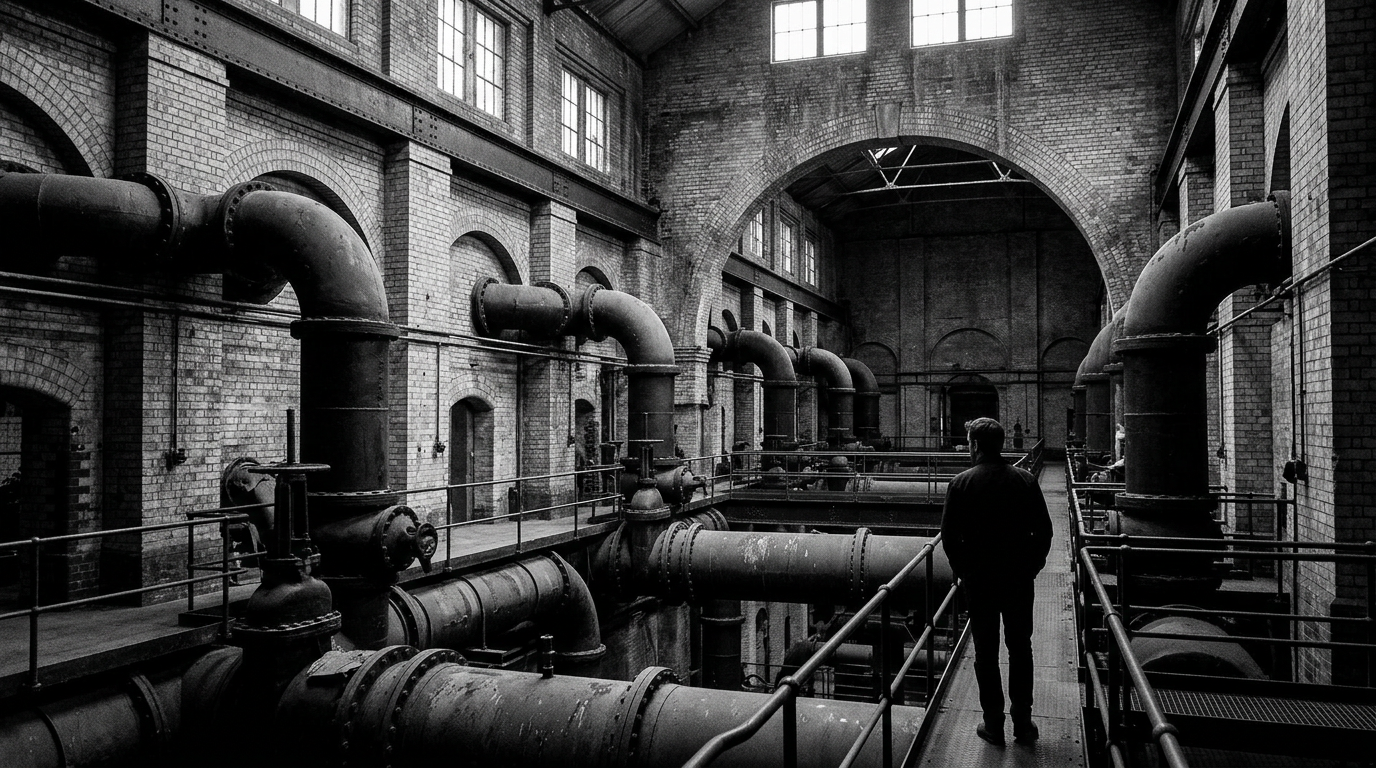
Thames Water Chief Executive Chris Weston said on Wednesday that the company cannot meet its current regulatory targets on leakage and pollution, setting up a fresh dispute with the industry regulator as the utility tries to avoid a deeper financial crisis.
The company, which supplies water services to 16 million customers across London and southern England, is seeking a restructuring agreement with creditors and has warned that failure to secure a deal could push it into special administration.
Ofwat-linked commitments at the centre of the dispute Weston said the performance commitments required by Ofwat Weston said the performance commitments required by Ofwat are, in his view, unattainable for Thames Water under current conditions. He argued that the leakage reduction expectations exceed what the business can deliver operationally, regardless of how much capital investment is made. Ofwat responded by defending its approach, saying the targets are intentionally ambitious to drive needed improvements to infrastructure. The regulator also pointed to the scale of system losses, stating that around 20% of water supply is lost through leakage and that existing commitments must be met. Leakage and pollution figures remain a flashpoint Thames Water currently loses about 570 million litres of treated water each day, an issue that remains a central point of contention between the company and environmental oversight bodies. The leakage debate comes alongside ongoing scrutiny of pollution performance.
Thames Water Chief Executive
The company was fined 122.7 million pounds last year for sewage discharge violations, adding to pressure on management as it tries to stabilise operations while negotiating with lenders.
Restructuring plan pitched as alternative to special administration
Weston rejected the need for a government-led special administration regime, warning that such an intervention could shift costs onto taxpayers. He said the company instead supports a lender-led rescue plan.
Under that approach, Weston advocated a 9 billion pound debt write-off and the introduction of a government veto power. The company is also facing a key liquidity deadline in November, which has raised the stakes for reaching a timely agreement.
Privatised model under strain as deadline approaches
The situation has reignited debate over whether Thames Water’s current privatised financial model is sustainable, with the company’s debt crisis threatening its operational future. For now, the immediate issue remains whether Thames Water can reconcile its regulatory commitments with what its leadership says is practical, while also convincing creditors that the business can be stabilised without a formal administration process.