Tesla Energy Ventures Secures UK Electricity Supply License
Tesla Energy Ventures received UK regulatory approval to supply electricity to homes, entering a competitive market amid rising energy costs.
Atlas Newsdesk ·
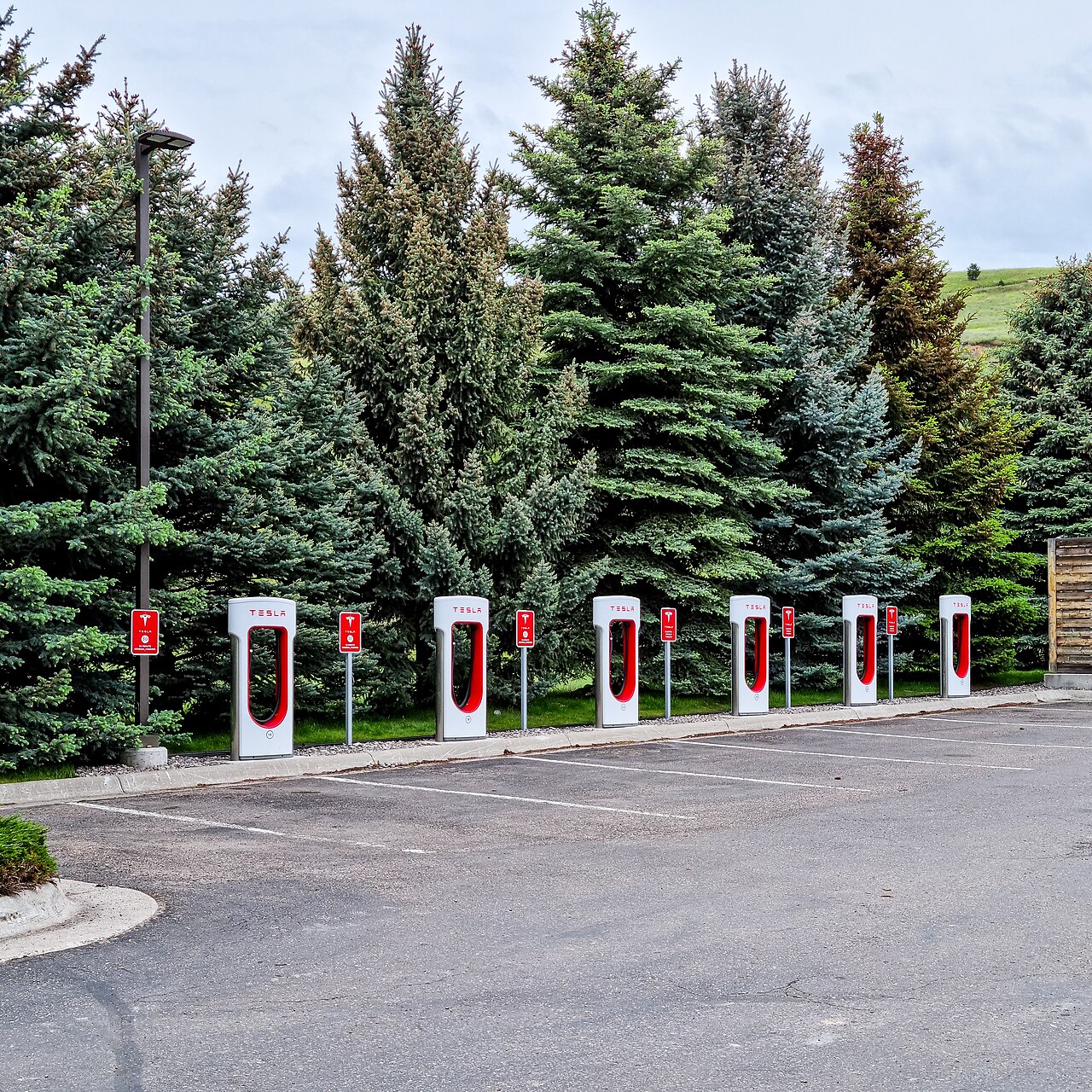
Tesla Energy Ventures, a division of Tesla Inc., has obtained regulatory approval to operate as an electricity supplier in the United Kingdom. The UK energy regulator, Ofgem, granted the necessary license on Thursday, March 12, allowing the company to provide power directly to British households.
This strategic move positions Tesla to enter the highly competitive UK energy retail sector. The approval process for Tesla Energy Ventures began in July of the preceding year, culminating in this recent authorization.
Market Entry and Competition
The new license enables Tesla to directly challenge established energy providers within the UK market. Companies such as Octopus Energy, British Gas, and EDF currently dominate the household energy supply landscape, and Tesla's entry introduces a new competitor with a focus on integrated energy solutions.
Tesla's broader energy strategy in the UK is not entirely new. Another subsidiary, Tesla Motors Limited, already possesses an electricity generation license in the country. This existing presence, combined with the new supply license, allows for a more comprehensive energy offering.
Leveraging Integrated Energy Solutions
Tesla's approach to the energy market is expected to leverage its existing technology ecosystem. Many owners of Tesla electric vehicles already utilize Powerwall home battery systems, which are designed to store solar energy. These systems facilitate vehicle charging and enable households to sell surplus electricity back to the national grid, creating a distributed energy network.
The company's entry into the retail supply market could accelerate the adoption of such integrated energy solutions, offering consumers greater control over their energy consumption and generation. This aligns with broader trends towards decentralization and renewable energy integration within the power sector.
Context of UK Energy Market
Tesla's market entry occurs during a period of significant consumer concern regarding energy costs in the UK. Global energy price increases, particularly those influenced by geopolitical events such as the conflict in Iran, have placed upward pressure on household utility bills.
While regulated tariffs currently shield most British households from the immediate impact of these price fluctuations until July, there is anticipation of potential government intervention if global energy market volatility continues beyond that period. The introduction of new suppliers like Tesla could offer alternative energy solutions and potentially influence market dynamics.
Future Outlook and Implications
Tesla's expansion into direct electricity supply in the UK signifies a broader ambition to integrate its automotive and energy divisions. This move could accelerate the transition to renewable energy sources and smart grid technologies within the residential sector.
The competitive landscape is likely to evolve as new players with innovative business models enter the market, potentially driving efficiency and offering new services to consumers. The long-term impact on energy prices and consumer choice will be closely monitored by industry observers and regulators alike.
Implications
Country Impact: The UK energy market will see increased competition, potentially leading to more diverse energy solutions for consumers. This could also accelerate the adoption of renewable energy technologies and smart home energy management systems across the country.
Industry Impact: Established energy suppliers in the UK face a new competitor with a strong brand and integrated technology offerings. This may prompt existing players to innovate their services and pricing models to retain market share.
Market Impact: The entry of Tesla Energy Ventures could stimulate investment in distributed energy resources and grid modernization. While direct market impact on energy prices is uncertain, it signals a shift towards more technology-driven energy retail models.