Gut Bacteria Linked to Memory Decline in Mice Study
A *Nature* study on March 13, 2026, links *Parabacteroides goldsteinii* gut bacteria to age-related memory decline in mice, suggesting new therapies.
Ayla Demirhan ·
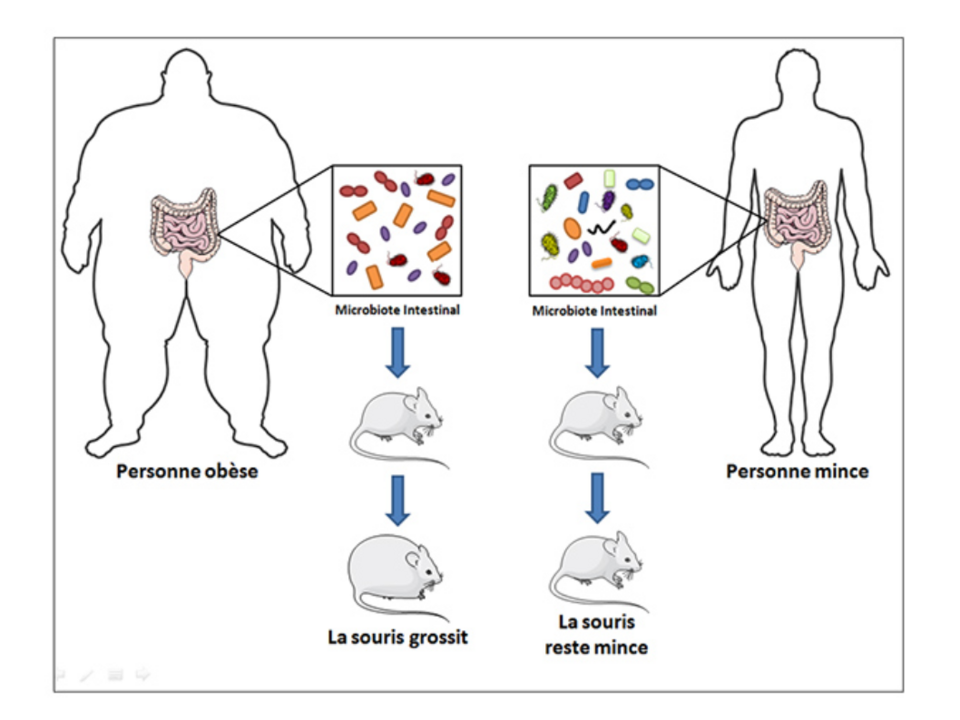
A recent study published in *Nature* on March 13, 2026, has identified a specific gut bacterium, *Parabacteroides goldsteinii*, as a potential factor in age-related cognitive decline observed in mice. The research indicates that an increased presence of this bacterium, which becomes more abundant with age, may disrupt the communication pathways between the gut and the brain, thereby affecting memory and learning functions.
Researchers conducted experiments involving young mice housed with older mice. After a month, the younger mice displayed notable short-term memory impairments, performing at a similar level to their older counterparts in various cognitive assessments, including maze navigation and object recognition tasks.
This observed cognitive decline in the younger mice coincided with a significant alteration in their gut microbiome composition, shifting to resemble that of the older mice, suggesting a transmission of microbial factors.
Microbial Transmission and Cognitive Impact
Therapeutic Interventions and Reversal
Implications for Human Health
Future Research Directions
Implications
Country Impact: This research, while conducted in mice, could influence public health strategies globally by highlighting the gut microbiome's role in cognitive health, potentially leading to new dietary guidelines or health recommendations.
Industry Impact: The pharmaceutical and biotechnology sectors may see increased investment in developing microbiome-targeted therapies, including novel antibiotics, phage therapies, and probiotic formulations for cognitive enhancement or prevention of decline.
Market Impact: Markets for health supplements, particularly probiotics and prebiotics, could experience growth as consumer awareness of the gut-brain axis increases. Investment in biotech firms specializing in microbiome research may also rise.