Tesla Delivery Growth Forecasts Halved for 2026
Analysts halved Tesla's 2026 delivery growth forecast to 3.8% on March 11, citing market competition and tax credit loss.
Atlas Newsdesk ·
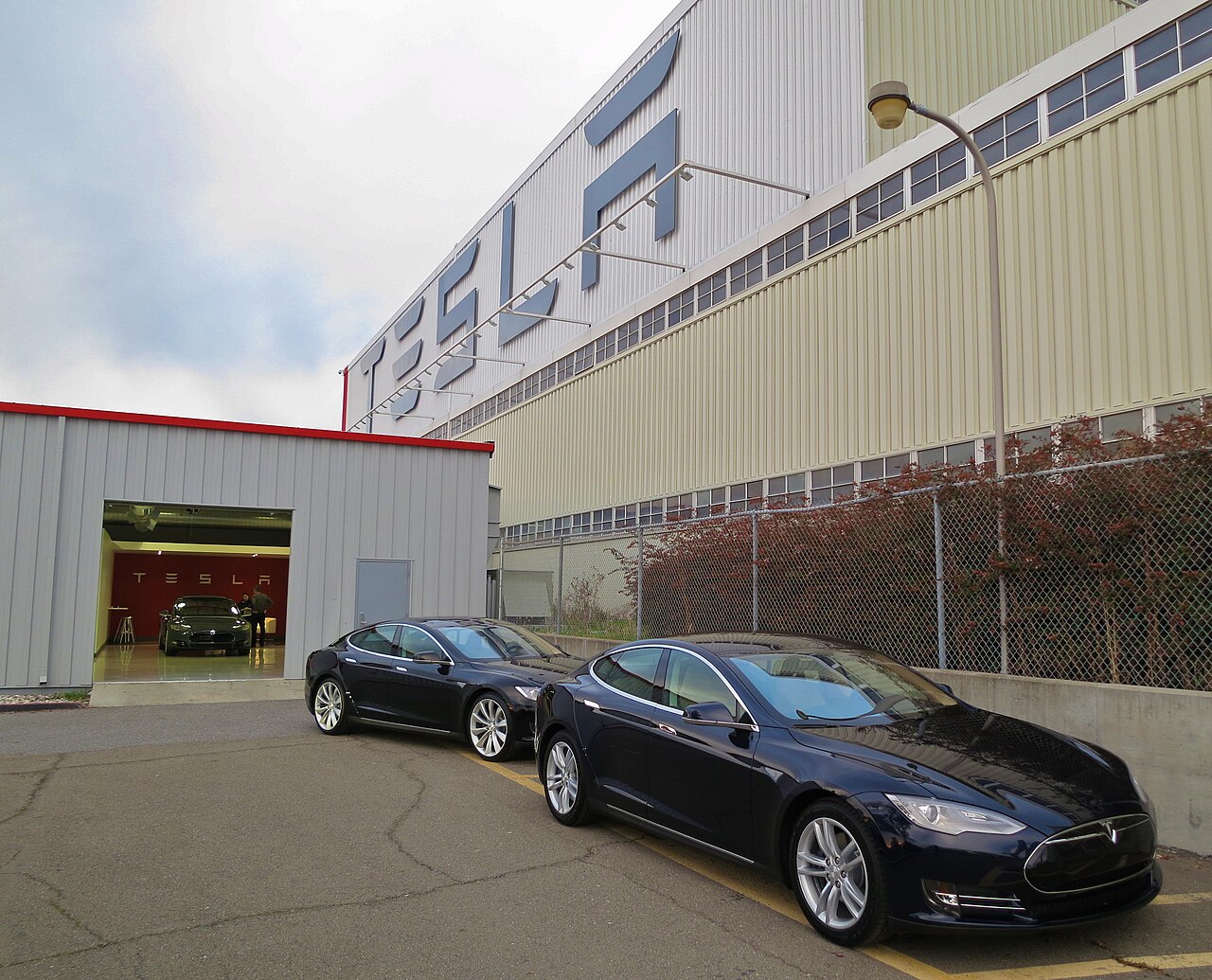
Analysts have substantially lowered their projections for Tesla's electric vehicle delivery growth in 2026, with some now anticipating a third consecutive year of contraction. This revision, occurring on March 11, saw the average growth forecast more than halved to approximately 3.8% from an earlier 8.2% estimate in January. Major financial institutions, including Morgan Stanley and Morningstar, are now predicting an outright decline in deliveries for the period.
This downward adjustment in delivery expectations coincides with Tesla's strategic decision to significantly increase its capital expenditures, planning to invest over $20 billion. This substantial outlay is leading Wall Street analysts to project negative cash flow for the company, marking a shift after seven years of consistent positive cash generation.
Market Challenges and Competition
The revised outlook reflects several market pressures impacting the electric vehicle manufacturer. Tesla is contending with the expiration of U.S. EV tax credits, which previously incentivized purchases. Concurrently, the company faces heightened competition within the European market, where numerous established automakers are introducing their own electric models.
Furthermore, demand for Tesla's more budget-friendly vehicle variants has been weaker than anticipated. Morningstar analyst Seth Goldstein specifically forecasts a nearly 5% reduction in vehicle deliveries for 2026, attributing this to declining sales in two of Tesla's three primary markets.
Strategic Shift and Financial Position
Despite these automotive sector challenges, Tesla maintains a robust financial position. The company concluded 2025 with $44.06 billion in cash and investments, providing a substantial buffer for its operational and expansion plans. This financial strength is crucial as the company pivots its long-term valuation narrative.
Tesla's future valuation is increasingly being linked to its advancements in non-automotive sectors. Investors and analysts are now focusing more on the potential of its self-driving software, the development of robotaxis, and its humanoid robot projects, rather than solely on its core vehicle manufacturing business.
Stock Performance and Investor Sentiment
The market has reacted to these developments, with Tesla shares experiencing a notable decline. Since December 22, the company's stock has fallen by over 20%. This contrasts sharply with the broader market trend, as the S&P 500 index recorded only a marginal decrease of just over 1% during the same timeframe. The divergence highlights specific investor concerns regarding Tesla's immediate growth trajectory in its primary automotive segment.
Implications
Country Impact: The reduction in U.S. EV tax credits impacts consumer incentives, potentially slowing EV adoption rates in the United States. Increased competition in Europe could also affect market share for U.S.-based EV manufacturers.
Industry Impact: The broader automotive industry faces intensified competition and evolving consumer demand, particularly for affordable EV models. Tesla's strategic shift towards AI and robotics signals a potential diversification trend for tech-centric automakers.
Market Impact: Tesla's stock performance, down over 20% since December, indicates investor concern over its core automotive growth. The anticipated negative cash flow could pressure short-term financial metrics, despite strong cash reserves, influencing broader market sentiment towards high-growth tech stocks.