US Inflation Steady at 2.4% Before Iran Conflict
US inflation held steady at 2.4% in February 2026 before the Iran conflict, but rising oil prices could delay Federal Reserve rate cuts.
Atlas Newsdesk ·
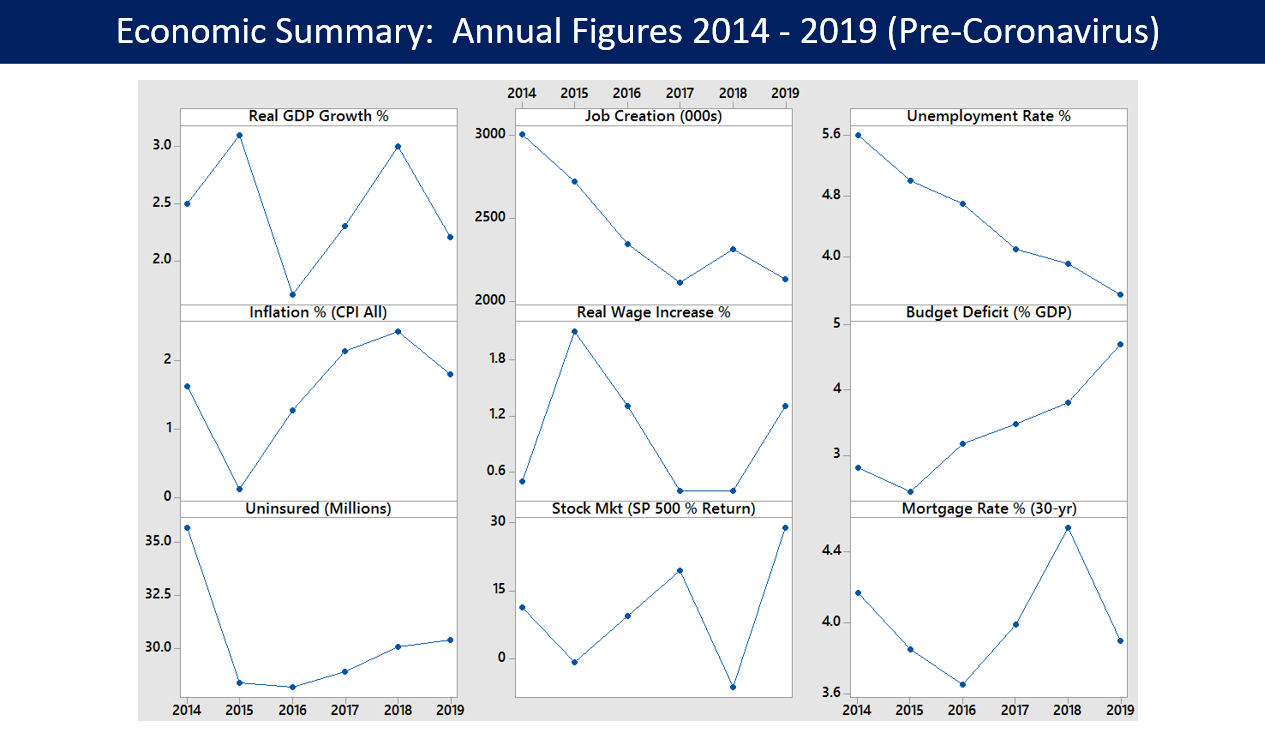
United States inflation figures for February 2026 indicated a stable annual rate of 2.4% for the Consumer Price Index (CPI), consistent with the previous month's data. This stability was observed just prior to the commencement of military actions involving the U.S., Israel, and Iran, which began at the end of February.
According to the Bureau of Labor Statistics, overall consumer prices experienced a 0.3% increase on a monthly basis. Core inflation, which excludes the more volatile categories of food and energy, registered a 2.5% year-over-year rise and a 0.2% month-over-month increase. These statistics provide a snapshot of the economic environment immediately preceding the geopolitical escalation.
Geopolitical Tensions and Market Response
This sharp increase in energy costs has raised concerns among economic analysts regarding its potential to influence broader inflationary trends. The sustained impact of elevated oil prices is widely expected to complicate the Federal Reserve's monetary policy decisions, particularly its trajectory for interest rate adjustments.
Federal Reserve Policy Outlook
Economists now anticipate that the energy price shock stemming from the conflict could delay any further interest rate reductions by the Federal Reserve. The persistent inflationary pressure from energy costs poses a significant challenge to the Fed's efforts to achieve its long-term price stability mandate, potentially requiring a reassessment of its monetary easing timeline.
Broader Economic Implications
Furthermore, sustained higher energy prices could dampen consumer spending and investment, potentially slowing economic growth. The interplay between geopolitical events, commodity markets, and central bank policy remains a critical factor for global economic stability in the coming months.
Implications
Country Impact: The United States faces potential delays in monetary easing by the Federal Reserve due to inflationary pressures from rising energy costs, impacting domestic economic growth and consumer purchasing power.
Industry Impact: Energy-intensive industries and transportation sectors are likely to experience increased operational costs, potentially leading to higher prices for goods and services and impacting profit margins.
Market Impact: Global commodity markets, particularly oil, are expected to remain volatile, influencing inflation expectations and potentially leading to shifts in investor sentiment towards riskier assets and fixed-income securities.