Teqball Debuts at Asian Games, Eyes 2032 Olympic Inclusion
Teqball, a football-table tennis hybrid, debuts at the Asian Games this weekend, advancing its for 2032 Olympic inclusion.
Mehmet Şahinoğlu ·
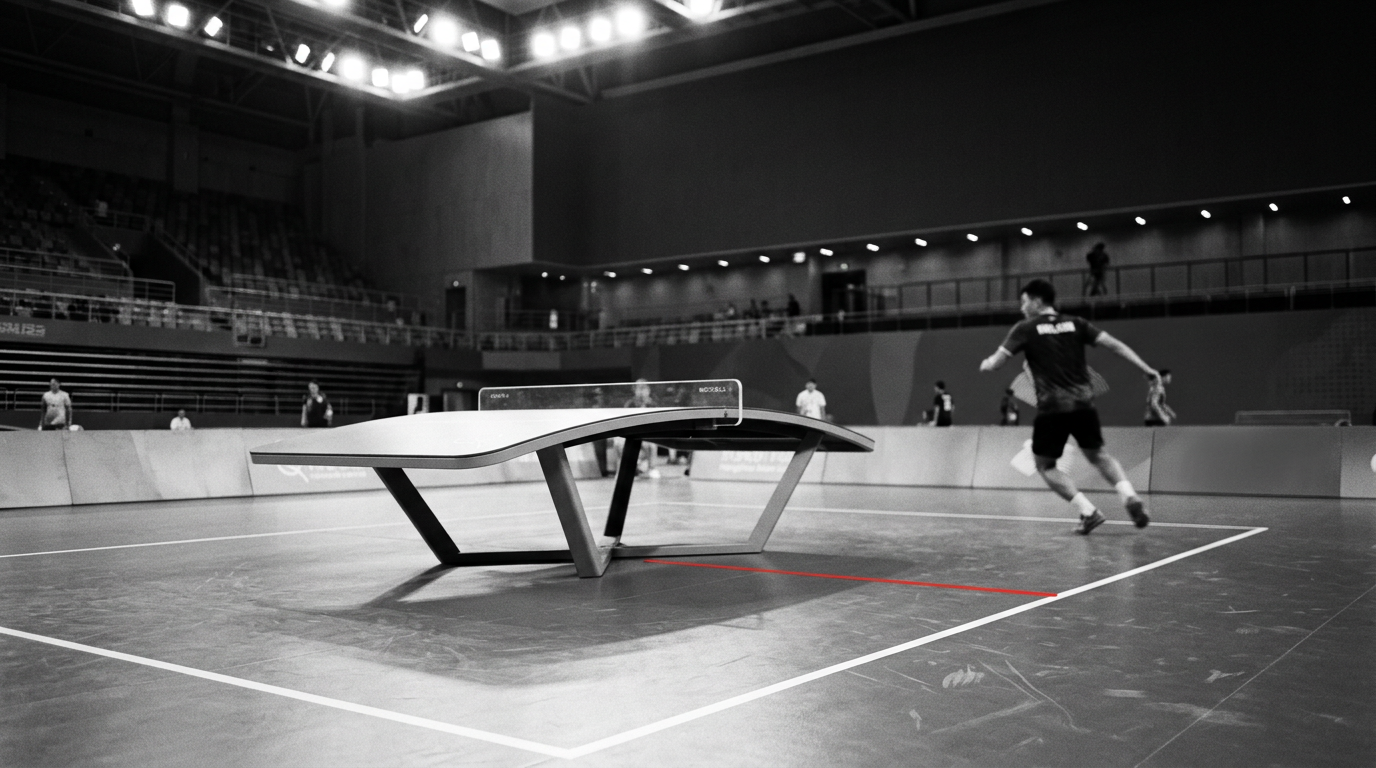
Teqball, a hybrid sport blending football and table tennis, debuts at the Asian Games this weekend in Japan, marking a significant step toward its ambition for 2032 Olympic inclusion. Invented in Hungary just over a decade ago, the sport features players hitting a standard soccer ball across a curved table using any body part except their hands, allowing a maximum of three touches per return.
Thailand's Jutatip Kuntatong, the world's top-ranked woman in teqball, will represent her country at the games. Kuntatong, 28, secured both singles and doubles titles at the most recent world championships in Transylvania last December, despite having no prior knowledge of the sport six years ago.
Thai Players Leverage Sepak Takraw Skills This centuries-old Southeast Asian sport Kuntatong's success, alongside that of the Thai national team, stems from their background in Sepak takraw. This centuries-old Southeast Asian sport, often called "foot volleyball," prohibits hand use and relies on leg strength and acrobatic kicks to control the ball. This foundational training provides Thai players a distinct advantage, enabling signature moves such as gravity-defying bicycle kicks. Somsak "Joe" Duangmuang, Teqball team's coach, previously coached Sepak takraw for over two decades and was a national player himself. He views teqball as a new challenge that expands the application of existing skills for his team. Global Styles and Rapid Expansion The International Teqball Federation (FITEQ) recognizes 147 national federations globally, with Thailand currently considered the strongest nation. László Vajda, FITEQ's secretary general, notes the emergence of distinct national playing styles. Brazilian players often utilize chest and head touches, while Central European teams, particularly from Romania, Hungary, and Poland, favor side smashes. African and Middle Eastern players are known for their athleticism, incorporating powerful jumps and technical football-like maneuvers.
Teqball's inclusion in the Asian Games follows historic appearances at the European and African Games. The sport will feature teams from 16 nations in Japan, alongside padel and virtual taekwondo, which also debut. The Thai Teqball Association anticipates the Asian Games will significantly boost regional awareness and recruitment of younger players, marking a substantial advance for the sport.
Outlook for Teqball's Olympic Ambition
Teqball's path to Olympic inclusion by 2032 hinges on continued global expansion and successful integration into multi-sport events like the Asian Games.
If the sport maintains its rapid growth in national federations and demonstrates broad appeal across diverse regions, it strengthens its case for Olympic consideration. Conversely, if participation plateaus or fails to attract significant new audiences, particularly in key markets, its Olympic aspirations could face delays.
For specific companies involved in sports equipment or event management, increased visibility at major games could translate into new market opportunities. The wider sports industry watches how new hybrid sports like teqball carve out a niche, potentially influencing future trends in development and spectator engagement. The main open question is whether teqball can sustain its momentum beyond initial novelty to establish a lasting global presence.